TORONTO, CANADA — In a significant expansion for the high-end audio market, Bluesound, the premier wireless multi-room audio brand, has officially announced the full integration of Apple Music into its BluOS ecosystem. As of October 20, 2026, users of Bluesound’s extensive lineup of wireless speakers, stereo components, and soundbars can now access Apple’s massive library of over 100 million songs directly through the BluOS Controller app.
This milestone bridges the gap between one of the world’s most popular streaming services and a brand synonymous with audiophile-grade wireless performance, offering a seamless, high-fidelity listening experience across the entire home.
Main Facts: A Seamless Integration
The core of this announcement is the direct integration of Apple Music within the BluOS Controller application. Previously, Bluesound users relied on Apple AirPlay 2 to stream audio from their devices to their speakers. While effective, this method often required the source device to remain active and connected.
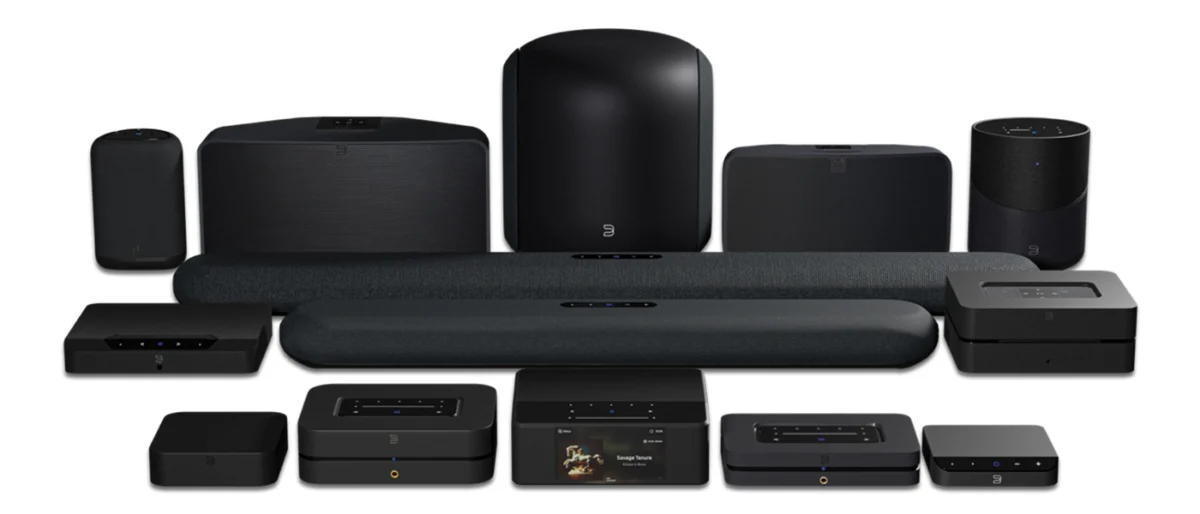
With this new native integration, the Bluesound player itself manages the stream. Users simply log into their Apple Music account via the BluOS Controller app, granting them direct access to their entire library, personalized playlists, and radio stations. This update covers the entire Bluesound product ecosystem, ranging from the compact PULSE FLEX speakers found in kitchens and bedrooms to the high-performance NODE streamers connected to sophisticated living room hi-fi systems, and the immersive PULSE CINEMA soundbars.
Chronology: The Evolution of the BluOS Platform
To understand the significance of this move, one must look at the trajectory of Bluesound and its parent software platform, BluOS.
- Early Days (2012–2015): Bluesound entered the market with the goal of bringing high-resolution audio to the wireless home. By focusing on bit-perfect playback, the brand carved out a niche for listeners who found standard Bluetooth speakers insufficient for their high-end setups.
- Expansion of Ecosystem (2016–2020): Throughout the late 2010s, BluOS became a platform-agnostic powerhouse, integrating services like TIDAL, Qobuz, and Spotify. The emphasis shifted toward multi-room synchronization and high-res compatibility.
- The AirPlay Era (2021–2025): Recognizing the ubiquity of Apple’s ecosystem, Bluesound introduced AirPlay 2 support, allowing for basic streaming capabilities. While popular, the community continued to demand a native, integrated experience that would allow for better metadata handling and system-wide control without relying on an intermediary device.
- The Present (October 20, 2026): The official rollout of native Apple Music support marks the culmination of years of collaboration between Bluesound engineers and Apple’s integration teams, signaling a new chapter in the brand’s history of "music discovery."
Supporting Data: Why This Matters to Audiophiles
For the uninitiated, the distinction between "streaming" and "integrated streaming" is subtle but vital. Native integration allows the Bluesound hardware to handle the digital-to-analog conversion (DAC) processes with the specific optimization that Bluesound products are famous for.
The Apple Music Catalog
- Scale: Access to over 100 million songs, all ad-free.
- Curation: Native access to Apple’s industry-leading expert-curated playlists and artist-hosted radio shows.
- Personalization: The "Listen Now" and "For You" algorithms, which define the Apple Music experience, are now fully functional within the BluOS interface, ensuring that the listener’s taste profile is consistent across all devices.
The BluOS Advantage
By housing the streaming service within the BluOS Controller app, users gain:
- Gapless Playback: Crucial for classical and concept albums.
- Multi-Room Control: The ability to group a PULSE FLEX, a NODE, and a PULSE CINEMA into a single "Zone," allowing a user to move from room to room without the music ever stopping.
- Hardware Synchronization: The ability to manage volume and equalization settings for every room in the house from a single dashboard.
Official Responses: The Visionary Perspective
Matt Simmonds, Product Manager at Bluesound, emphasized that this move is ultimately about removing barriers between the listener and their music.
"Bluesound has always been about music discovery and the freedom to enjoy music your way, in every room," Simmonds stated during the press conference in Toronto. "Adding Apple Music means even more listeners can bring the music they love to their Bluesound system. It combines the simplicity of the BluOS Controller app with the sound quality Bluesound is known for. We aren’t just adding a service; we are expanding the sonic landscape of our customers’ homes."
The sentiment among the engineering team is that this integration reflects the brand’s "audiophile DNA." By allowing the Bluesound hardware to pull the stream directly from Apple’s servers, the system minimizes the potential for signal interference or compression often associated with third-party relay methods.

Implications: The Future of High-End Wireless Audio
The implications of this integration are far-reaching, both for the consumer and the high-end audio industry.
For the Consumer
This is the "missing piece" for many Apple-centric households that also value high-quality audio equipment. Previously, a user might have had to choose between the convenience of the Apple ecosystem and the performance of a dedicated hi-fi system. With this update, that choice is no longer necessary. A homeowner can now control their entire home’s audio environment through a single, intuitive interface, regardless of the complexity of their speaker layout.
For the Market
This move puts increased pressure on other high-end wireless audio manufacturers. As consumer expectations shift toward "convenience-meets-quality," brands that fail to integrate major streaming services natively risk obsolescence. Bluesound has essentially set a new standard for what a premium wireless audio ecosystem should look like in 2026.
The "Whole-Home" Experience
The ability to group rooms and audio zones through the BluOS app, now backed by the vast Apple Music library, transforms the home from a collection of speakers into a unified musical instrument. Whether a user is hosting a party and wants the same playlist in every room, or wants to listen to a specific podcast in the kitchen while their partner listens to jazz in the living room, the flexibility is unprecedented.
Conclusion: A New Standard for Listening
The integration of Apple Music into the Bluesound ecosystem is not merely a feature update—it is a reinforcement of the company’s core mission. By combining one of the world’s most comprehensive music libraries with hardware designed for the most "true-to-live" performance possible, Bluesound has solidified its position as a leader in the wireless audio space.
For the audiophile who demands convenience without compromising on fidelity, the landscape has just become significantly more harmonious. As Bluesound continues to push the boundaries of digital technology, this partnership serves as a testament to the brand’s enduring commitment to the pursuit of audio perfection.
About Bluesound
An alliance of audiophiles, Bluesound is a collective of designers, engineers, and music industry veterans. With roots tracing back to the pioneers of high-fidelity audio in the 1970s, the brand is dedicated to creating innovative wireless products that allow for the most accurate music reproduction. By utilizing state-of-the-art digital technology, Bluesound continues to redefine how we listen to music in the modern home.
For more information on setting up your Bluesound player with Apple Music, visit the official BluOS website or consult the latest version of the BluOS Controller app.
Disclaimer: Apple, Apple Music, and AirPlay are trademarks of Apple Inc., registered in the U.S. and other countries and regions. An active Apple Music subscription is required to access the integrated service on Bluesound devices.