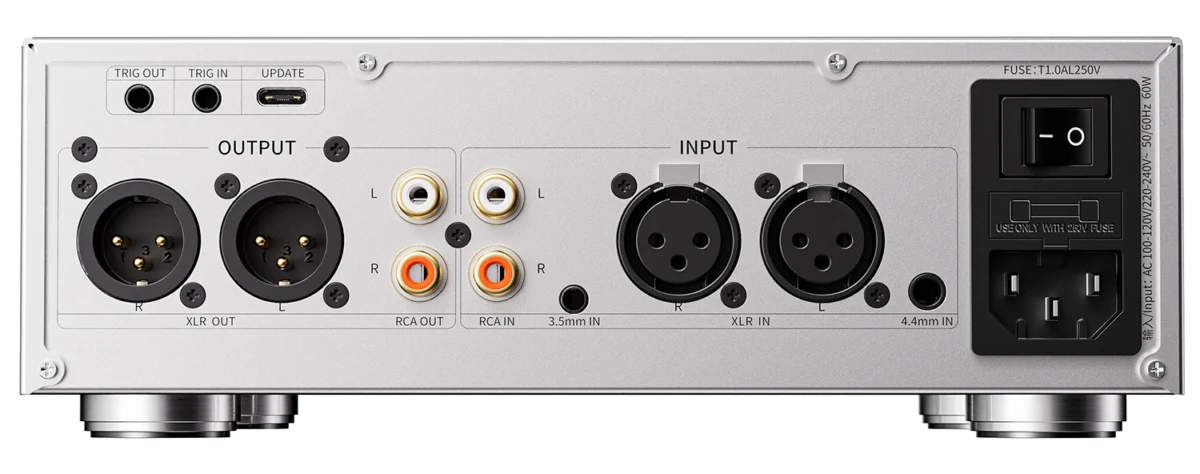
In an era dominated by high-speed digital processing and miniaturized integrated circuits, the audio industry is witnessing a nostalgic yet sophisticated pivot back to the roots of high-fidelity sound. FiiO, a brand long celebrated for its innovation in portable digital audio players and DACs, has officially announced the launch of its latest specialized hardware: the Class A Headphone Amplifier and Preamplifier. By eschewing the convenience of pre-packaged op-amps in favor of a fully discrete Class A architecture, FiiO is positioning this new unit as a bridge between vintage analog soul and modern precision engineering.
Main Facts: The Anatomy of a Discrete Design
The core philosophy behind the new FiiO Class A unit is the rejection of the "all-in-one" chip solution. In modern consumer electronics, most amplification stages are handled by integrated circuit (IC) operational amplifiers—chips that contain hundreds of transistors on a tiny piece of silicon. While efficient and cost-effective, these chips often struggle to replicate the harmonic richness and depth associated with traditional analog equipment.
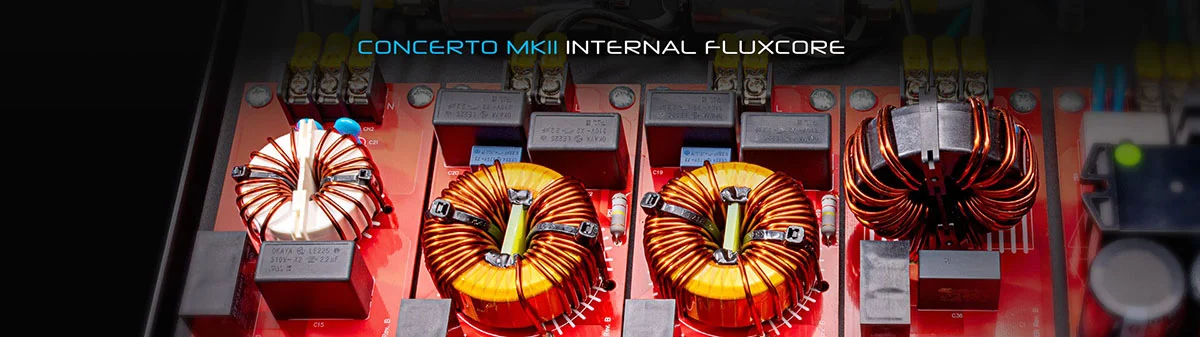
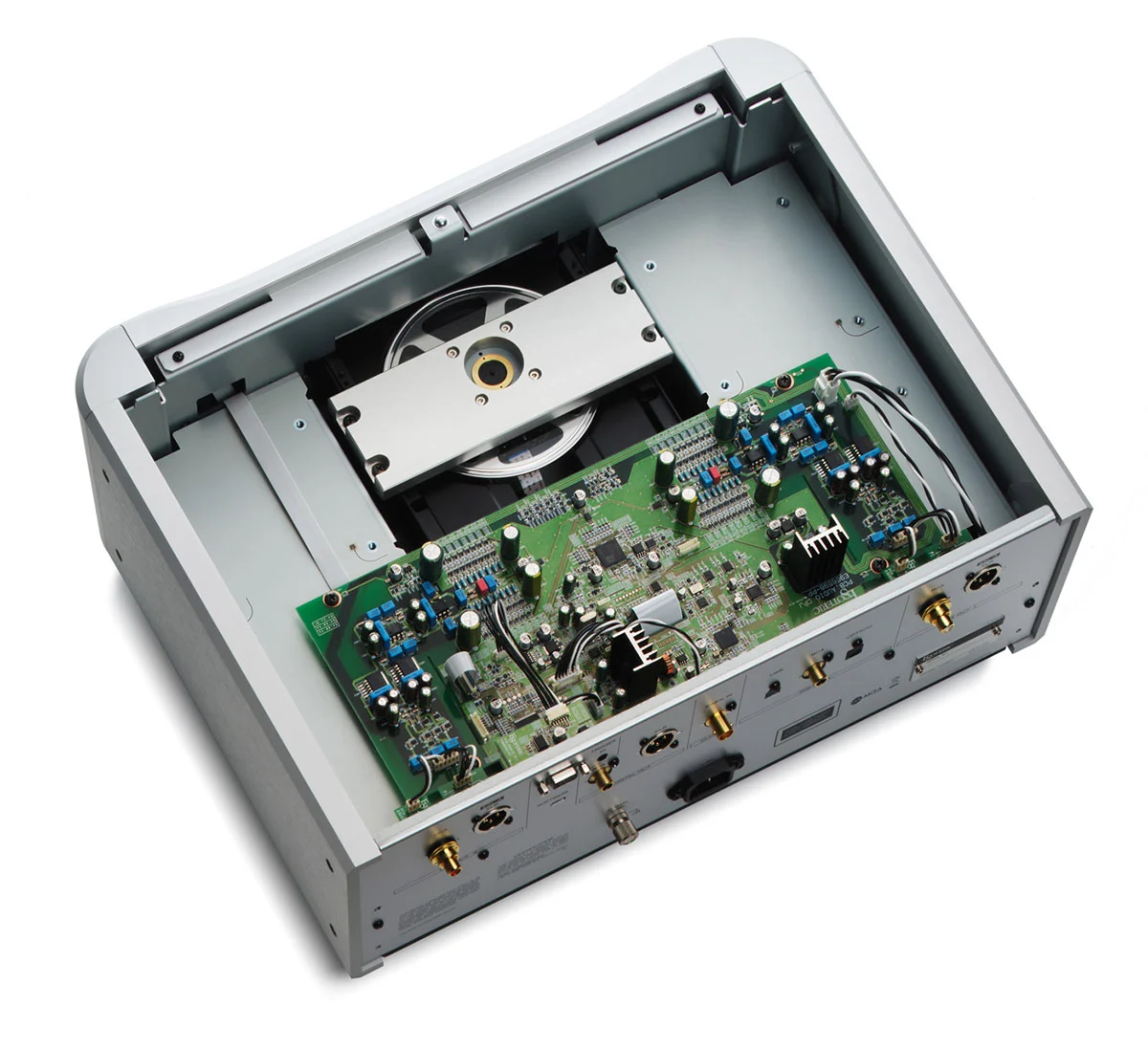
FiiO’s Class A unit is built on a fully discrete amplification circuit. This means that every individual component—transistors, resistors, and capacitors—has been hand-selected and strategically placed on the circuit board. This meticulous approach allows engineers to optimize the signal path specifically for audio quality rather than space-saving efficiency. By utilizing individual audio transistors, the unit ensures that the signal remains unadulterated, providing the "warm, natural, and distinctly analog" sound signature that the company claims is the hallmark of the device.
Key features of the unit include:
- Discrete Architecture: A departure from standard IC-based designs to minimize interference and maximize signal integrity.
- Precision Matching: Each component is manually tuned and matched per channel to ensure perfect channel balance and low distortion.
- Hybrid Functionality: The device operates both as a high-fidelity headphone amplifier and as a preamplifier, allowing it to serve as the heart of a home stereo system or a dedicated desktop listening station.
Chronology: The Evolution of FiiO’s Desktop Ambitions
FiiO’s journey toward this release did not happen overnight. To understand the significance of the Class A unit, one must look at the trajectory of the brand over the last decade.
The Portable Origins (2007–2014)
FiiO initially gained market dominance by offering affordable, high-quality portable headphone amplifiers like the E series. During this phase, the company focused on making audiophile-grade sound accessible to the masses, moving consumers away from cheap plastic earbuds and toward high-impedance headphones.
The Rise of the DAC/Amp Combo (2015–2020)
As the market transitioned from analog players to high-resolution digital files, FiiO pivoted to desktop DAC/Amp combinations. Models like the K5 and K9 series became industry benchmarks for value-to-performance ratios. However, these units were primarily digital-first, focusing on decoding capabilities.

The Return to Analog Purity (2021–Present)
The development of the Class A amplifier represents a return to FiiO’s roots. Recognizing a growing sub-segment of audiophiles who prefer the organic texture of Class A amplification, FiiO’s engineering team spent the last several years refining discrete circuit layouts. The culmination of this research is the Class A unit, which bridges the gap between their modern digital prowess and the timeless allure of pure analog amplification.
Supporting Data: Why Class A Matters
In the world of audio amplification, "Class A" is a term that carries significant weight. Unlike Class AB or Class D amplifiers, which switch transistors on and off to manage power—often creating "crossover distortion"—a Class A amplifier keeps its transistors fully powered and conducting at all times.
The Technical Advantage
- Linearity: Because the transistors are always "on," they operate in their most linear region, resulting in a signal that is remarkably faithful to the original recording.
- Harmonic Profile: Class A amplifiers are known for generating even-order harmonic distortion, which the human ear perceives as "warmth" or "musicality."
- The Trade-off: The primary drawback of this design is heat and power consumption. Because the circuit is always running at full capacity, the device generates significant thermal energy. FiiO’s design team has accounted for this by integrating high-grade heat dissipation chassis designs, ensuring that the unit can run for extended listening sessions without degradation.
The MSRP of 379.99 EUR/USD places this unit in the "prosumer" bracket. It is designed for users who own high-end planar magnetic or high-impedance dynamic headphones that require the sustained current delivery that only a true discrete Class A circuit can provide.
Official Responses and Market Availability
FiiO has emphasized that this launch is not merely a product release, but a response to community demand. In official statements, the company noted that global shipments have been arranged progressively to meet regional demand.
"We wanted to create a device that respects the listener," a representative stated during the announcement. "By manually tuning each unit, we are ensuring that the user isn’t just buying a piece of hardware, but an instrument designed for the enjoyment of music."
For consumers looking to acquire the device, FiiO has provided two distinct paths:
- Global Online Distribution: The unit is currently available via their official AliExpress store, facilitating international shipping for those without immediate local access.
- Local Dealer Network: For those who prefer a hands-on demonstration or local warranty support, FiiO has updated its "Where to Buy" portal, allowing users to locate authorized sales agents in their specific country.
Implications: The Future of Desktop Audio
The release of the FiiO Class A amplifier has significant implications for the wider audio market. It signals that even large-scale manufacturers are acknowledging the "analog resurgence."

1. Shift in Consumer Preference
There is a growing segment of the audiophile community that is fatigued by "sterile" digital sound. By offering a discrete Class A option, FiiO is legitimizing the demand for vintage-style circuit topologies in a modern, reliable, and warranty-backed package.
2. The Death of the "One-Size-Fits-All" Component
As this product gains traction, it suggests that the future of high-end audio is modular. Users are increasingly moving away from integrated DAC/Amps in favor of dedicated, specialized components. By separating the amplification stage, users can pair this Class A powerhouse with the DAC of their choice, allowing for greater customization of their sonic signature.
3. Price-to-Performance Disruption
At under $400, this unit challenges the status quo of boutique, high-end audio gear. Historically, discrete Class A amplifiers were the domain of "boutique" manufacturers, often costing thousands of dollars. FiiO’s ability to bring this technology to a wider audience at an accessible price point may force other manufacturers to re-evaluate their pricing strategies and component choices.
Conclusion
The FiiO Class A Headphone Amplifier and Preamplifier is more than just a new product; it is a statement of intent. It serves as a reminder that in the quest for perfect sound, the physics of electricity and the artistry of circuit design remain as relevant today as they were in the golden age of high fidelity. Whether one is a seasoned collector of vintage gear or a digital native looking to experience the "warmth" of analog for the first time, this unit offers a compelling, robust, and technologically sound entry point into the world of pure amplification.
As shipments continue to roll out across the globe, the true test will be in the listening. However, based on the specifications and the brand’s history of rigorous engineering, the FiiO Class A stands as a formidable contender for any desktop audio setup, promising to bring a touch of analog magic to the digital age.