Published: March 18, 2026
Category: Music History / Audiophile Reviews / Vinyl Culture
Main Facts
When contemporary music enthusiasts discuss the golden eras of Canadian rock and roll, a predictable pantheon usually emerges. The conversation invariably turns toward the progressive mastery of Rush, the arena-filling hard rock of Triumph, the blues-inflected crunch of April Wine, the quirky art-rock genius of Max Webster, or—with a knowing chuckle—the spoken-word audacity of William Shatner. These staples of the Great White North have long dominated terrestrial radio flashbacks and classic rock compact disc box sets.
However, the vast landscape of Canadian musical history is dotted with brilliant anomalies that managed to slip past the radar of international mainstream success while achieving cult status among dedicated crate-diggers. Among these hidden gems stands Doug and the Slugs, a Vancouver-born collective that blended infectious new wave hooks, power-pop structures, cabaret theatrics, and sly lyrical humor.
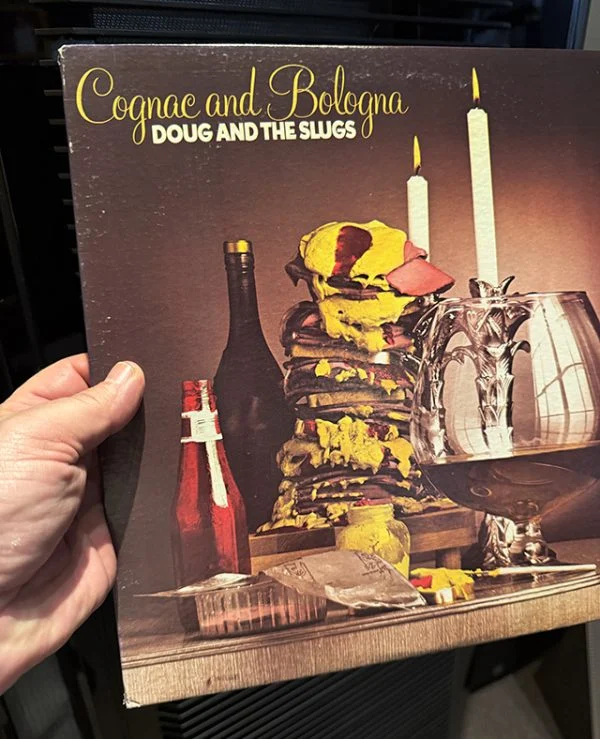
The entry point for many fans into this eccentric universe is their vibrant discography, encapsulated delightfully by releases like Cognac and Bologna. Often discovered entirely by accident—perhaps flipping through bins in a damp, dimly lit independent record store in Milwaukee or Portland—the band’s striking visual aesthetic and preposterous moniker have launched countless lifelong fandoms. Far from being a mere novelty act fueled by quirky album art, Doug and the Slugs delivered impeccably arranged, tightly performed, and surprisingly sophisticated pop music that rewards both casual listeners and critical audiophiles alike.
Today, thanks to the digital preservation efforts of high-resolution streaming platforms like Qobuz and Tidal, alongside a thriving secondary vinyl marketplace on platforms like Discogs, experiencing the infectious charm of Doug and the Slugs has never been easier or more affordable.
Chronology: The Evolution of Doug and the Slugs
To understand how Doug and the Slugs carved out their idiosyncratic niche in the North American music scene, one must journey back to the late 1970s and trace their trajectory through the turbulent decades of changing musical tides.
1977–1979: The Formation in Vancouver
The band was officially conceived in Vancouver, British Columbia, in 1977 by the charismatic, zoot-suit-wearing frontman Doug Bennett alongside keyboardist and songwriter Wally Watson (better known as Wally Tuxedo). Vancouver’s underground music scene at the time was a fertile breeding ground for punk and new wave, yet Doug and the Slugs refused to limit themselves to aggressive three-chord anthems. Instead, they infused their sound with a theatrical flair, drawing inspiration from 1950s rock and roll, rhythm and blues, and the burgeoning synthesizer-driven textures of the late ’70s.
1979–1980: Independence and Early Breakthroughs
Refusing to wait for the major-label machinery to notice them, the band took a fiercely independent DIY approach early on. They pressed and distributed their own material, most notably the track "Too Bad," which quickly became a regional phenomenon. The song caught the attention of local radio programmers and rapidly crossed the border into the Pacific Northwest, proving that the band’s danceable, hook-laden style had commercial viability far beyond British Columbia.
1981–1984: The Peak Commercial Years
Signing with Ritornello Records (and later distributed via major networks), Doug and the Slugs hit their stride in the early 1980s. Albums like Cognac and Bologna and subsequent releases showcased a maturing songwriting outfit. They became a ubiquitous presence on Canadian radio and MuchMusic, captivating audiences with their energetic, humorous music videos and unforgettable live performances. The lineup solidified around Bennett’s larger-than-life persona, supported by a rotating yet remarkably tight ensemble of skilled musicians who could pivot effortlessly from reggae beats to driving power-pop chords.
1984–1991: Mainstream Retrenchment and Indie Resilience
As the music industry shifted toward heavy metal, slick 1980s pop production, and grunge, Doug and the Slugs adapted by continuing to tour relentlessly across Canada and the United States. They remained a premier live attraction, relying on the deep loyalty of their fan base rather than chasing fleeting commercial trends.
2004–Present: Legacy, Loss, and Re-emergence
The tragic passing of founder Doug Bennett in 2004 dealt a devastating blow to the band and its followers. However, the remaining members, along with subsequent musical collaborators, have worked diligently to preserve and champion Bennett’s artistic legacy. In the digital age, their catalog has found a second life. Platforms that cater to audiophiles and curators have brought Doug and the Slugs out of dusty record bins and directly into the living rooms of a brand-new generation of listeners.
Supporting Data: Production Quality, Availability, and Modern Listening
For the discerning music collector, assessing a lesser-known 1980s new wave record involves evaluating not just the nostalgia factor, but the objective sonic and physical qualities of the media.
Audiophile Assessment and Production Values
A common misconception about fringe new wave acts from the early ’80s is that their recordings suffered from budget constraints and subpar production. Doug and the Slugs consistently defied this expectation.
- Instrumentation and Arrangement: Tracks feature remarkably crisp guitar lines, punchy rhythm sections, and tasteful synthesizer accents that never overpower the lead vocals.
- Dynamic Range: Unlike the "loudness war" compressed masters of the late 1990s and 2000s, original vinyl pressings and quality lossless digital transfers retain a healthy dynamic range. Bass frequencies are warm and distinct, while the high end remains bright without inducing listener fatigue.
- Mix Clarity: The separation of instruments allows listeners to appreciate complex backing vocals, clever keyboard counter-melodies, and tight percussion arrangements that might be missed on cheap hardware.
Availability and Market Pricing (As of 2026)
For physical media enthusiasts, Doug and the Slugs represent one of the best value propositions in record collecting.
| Platform / Source | Average Cost | Condition / Notes |
|---|---|---|
| Local Used Record Stores | $3.00 – $7.00 | Often found in the "Rock/Pop bargain bins," typically in VG to VG+ condition. |
| Discogs Marketplace | $5.00 – $15.00 | Varies depending on original Canadian pressings versus US releases; shipping costs apply. |
| Qobuz / Tidal (Streaming) | Subscription based | Available in Hi-Res Lossless (up to 24-bit/96kHz where available) and CD-quality FLAC. |
This low barrier to entry makes purchasing a copy completely risk-free for curious audiophiles who want to experience the tactile joy of opening a gatefold or pulling a vintage sleeve from the shelf.
Official Responses and Industry Perspectives
While Doug and the Slugs operated largely on the fringes of the global music industry, their impact on Canadian music culture and independent artist management has drawn significant retrospective commentary from industry insiders, music historians, and surviving band members.
Reflections from Surviving Band Members and Peers
In retrospective interviews, former members of Doug and the Slugs have frequently emphasized the fiercely independent ethos that defined the group. Long before "indie hustle" became a standard business model for modern musicians, Doug Bennett and his crew managed their own affairs, booked their tours, and maintained absolute creative control over their image and sound.
"We never wanted to fit neatly into a corporate box," noted a former band collaborator in a 2018 retrospective interview. "Doug’s vision was always about entertainment, connection, and not taking ourselves too seriously while taking the music itself very seriously. We played tight because we respected the audience."
Music Critics and Historians
Canadian musicologists often point to Doug and the Slugs as a vital missing link between the garage-rocking counterculture of the 1970s and the slick alternative pop of the late 1980s. Critics writing for retrospective music publications have praised the band for their lyrical wit—which often skewered suburban ennui, romance, and everyday absurdities with a distinctly dry Canadian humor.
Furthermore, contemporary vinyl revivalists have championed the band as a quintessential example of why physical record digging remains rewarding. Finding a pristine copy of Cognac and Bologna with its eccentric cover art serves as a badge of honor for collectors seeking to expand their musical horizons beyond standard classic rock radio playlists.
Implications: The Enduring Value of Crate-Digging and Digital Preservation
The story of Doug and the Slugs, and the ongoing rediscovery of albums like Cognac and Bologna, carries broader implications for how we consume, evaluate, and preserve music in the digital age.
1. The Death of the Monoculture and the Rise of Micro-Fandoms
In an era dominated by algorithmic recommendations and hyper-personalized streaming queues, accidental discoveries in physical record stores are becoming rarer. However, the thrill of buying a record simply because "the art was wacky or the name of the band seemed cool" represents a vital, serendipitous element of music appreciation. Doug and the Slugs remind us that great art often exists outside the sanitized corridors of mainstream pop charts.
2. Bridging the Analog-Digital Divide
The modern music ecosystem does not have to be a battlefield between streaming services and vinyl collectors. As demonstrated by the availability of Doug and the Slugs’ catalog on high-resolution platforms like Qobuz and Tidal alongside cheap, accessible vinyl copies on Discogs, these two formats can coexist symbiotically. A listener might stream an album on high-end headphones during a workday commute, fall in love with the arrangements, and subsequently hunt down a $5 original vinyl pressing for their weekend listening sessions.
3. Preserving Canadian Cultural Sub-History
As Canada continues to celebrate its rich musical heritage, ensuring that quirky, regional acts like Doug and the Slugs are not forgotten is crucial. They represent the vibrant underbelly of a national music scene that produced far more than stadium-filling arena rock. Their legacy proves that longevity in the music industry is not solely measured by Grammy awards or multi-platinum global sales, but by the lasting joy an eccentric, well-crafted pop song can bring to a stranger flipping through record bins in Milwaukee decades after it was recorded.
Whether discovered by chance on a dusty shelf or streamed in pristine lossless audio, Doug and the Slugs remain a testament to the fact that wonderful musical adventures await those willing to look just slightly off the beaten path.