The Voice of Starman: Chris Hewitt and CH Vintage Audio Restore David Bowie’s Historic 1972–1973 "Ground Control" PA System
016 mins
September 2026 — In the pantheon of rock and roll history, few eras loom as large or shine as brightly as David Bowie’s metamorphosis into Ziggy Stardust. With his flaming red hair, avant-garde makeup, and otherworldly persona, Bowie didn’t just play music; he ignited a cultural revolution. Yet, while the sequined jumpsuits, the theatrical performances, and Mick Ronson’s searing guitar solos are well-documented, the physical technology that brought that sound to the masses has long remained the unsung hero of the era.
That is, until now.
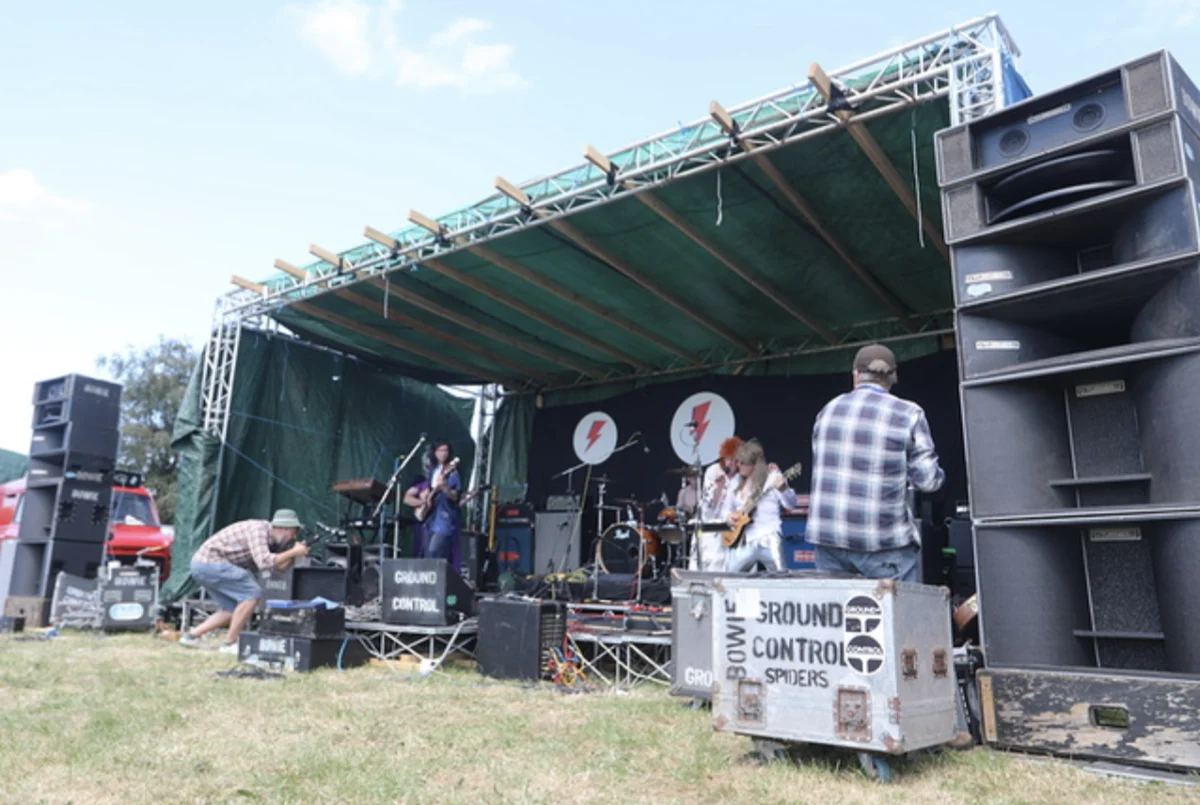
Chris Hewitt, founder and driving force behind CH Vintage Audio, has officially completed the meticulous restoration and triumphant relaunch of David Bowie’s legendary 1972–1973 "Ground Control" public address (PA) system. Originally manufactured by Turner Audio, this is the exact sound reinforcement rig that toured the United Kingdom and powered Bowie’s definitive, paradigm-shifting concerts during the Ziggy Stardust and the Spiders from Mars epoch. At the beating heart of this historic sound system are classic British-made Celestion drivers, proving that the raw, organic acoustic power of early-1970s audio engineering can still captivate modern audiences more than half a century later.
Main Facts: Anatomy of a Legend
The newly restored "Ground Control" PA system is a masterclass in vintage audio engineering. Built during a time when live sound reinforcement was still in its Wild West infancy—long before the advent of line arrays, digital mixing consoles, and algorithmic feedback suppression—the Turner Audio rig was engineered to solve very specific, high-stakes acoustic problems.
Most notably, the system was designed with advanced phase-cancellation and directional properties that allowed Bowie to perform directly in front of the massive loudspeaker stacks. In famous footage and photographs from the era, Bowie can be seen practically leaning against the cabinets or climbing them mid-performance without triggering catastrophic microphone feedback.
To achieve this acoustic feat, the system relies on a carefully curated roster of heavy-duty Celestion drivers distributed across a multi-way cabinet design:
Low Frequencies (Bass): Robust 15-inch Celestion driver units housed in large-format bass cabinets, delivering a warm, resonant low-end foundation.
Midrange: Specialized 10-inch Celestion drivers responsible for the critical vocal and guitar body frequencies that cut through the mix.
High Frequencies (Treble): Celestion DC100 compression drivers mated to high-frequency horns, ensuring that the sparkle of acoustic guitars and the upper registers of Bowie’s vocals remained crisp and articulate.
Relaunched in July 2026, the system recreates the exact acoustic environment of Bowie’s historic final Ziggy Stardust concert, which took place at London’s Hammersmith Odeon in July 1973—the legendary night when Bowie abruptly announced his retirement from the touring persona.
Chronology: From the Hammersmith Odeon to the 21st Century
To understand the magnitude of the "Ground Control" restoration, one must trace its journey through the decades, from its initial deployment on the road to its rediscovery and meticulous resurrection.
1972–1973: The Ziggy Stardust Tour
As Bowie’s popularity skyrocketed following the release of The Rise and Fall of Ziggy Stardust and the Spiders from Mars, standard club and theater PA systems quickly proved inadequate for the cavernous venues the artist was beginning to command. Turner Audio was commissioned to build a custom, high-output sound system capable of delivering clarity and volume amidst the screaming hordes of fans. Dubbed "Ground Control"—a nod to "Space Oddity"—the system accompanied Bowie and the Spiders from Mars on their grueling, highly influential tours.
July 1973: The Final Bow
The system’s historic run seemingly culminated on July 3, 1973, at the Hammersmith Odeon. It was here that Bowie delivered his famous curtain-speech announcement: "Of all the shows on this tour, this particular show is going to remain with us the longest, because not only is it the last show of the tour, but it’s the last show we’ll ever do." The Ground Control PA served as the literal mouthpiece for that historic cultural milestone.
The Decades Between: Preservation and Obsession
Following the retirement of the Ziggy persona, the components of the Ground Control system were dispersed, retired, or forgotten as the live sound industry rapidly modernized toward solid-state amplification and lightweight touring rigs. However, audio historian and vintage collector Chris Hewitt recognized the historical significance of the Turner Audio/Celestion setup. Over years of detective work, sourcing, and archiving, Hewitt tracked down the surviving cabinets, components, and documentation necessary to bring the rig back to life.
July 2026: The Relaunch
More than 50 years after it first revolutionized rock staging, the fully restored Ground Control PA was officially powered back on. To test its capabilities, Hewitt integrated the system with a live Bowie cover band, subjecting the vintage hardware to real-world performance conditions for the first time in generations.
Supporting Data and Technical Insights
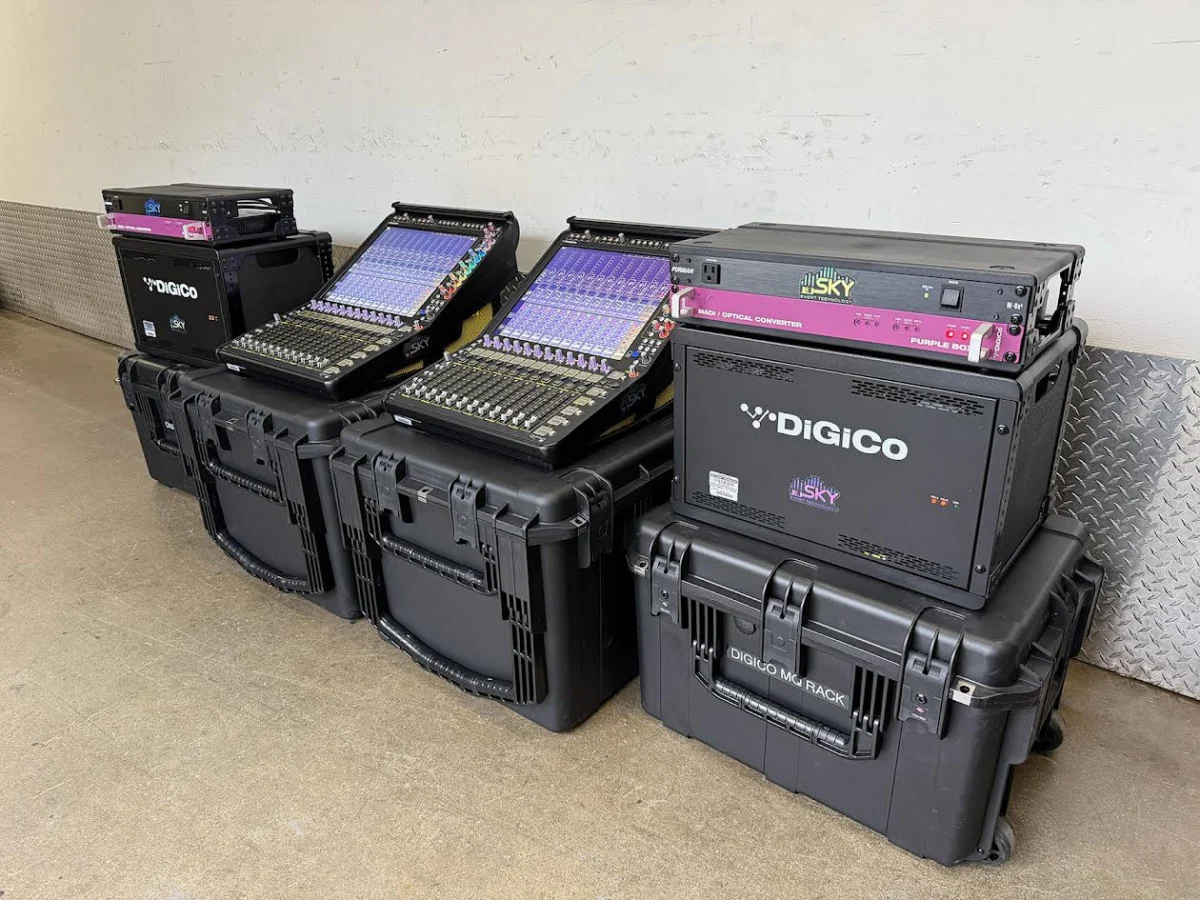
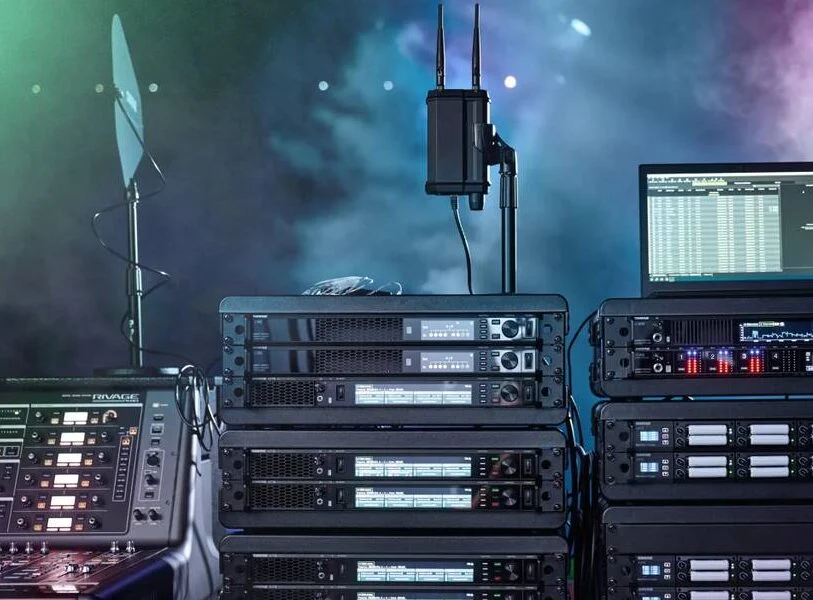
The resurgence of the Ground Control system provides a fascinating case study in the evolution—and potential over-complication—of live sound engineering. Modern concert touring relies heavily on digital signal processors (DSPs), complex line-array calculations, computer modeling, and digital mixing consoles capable of routing hundreds of channels.
In contrast, the Turner Audio system is an exercise in analog purity. The efficiency and physical displacement of air from large wooden speaker enclosures driven by vintage Celestion components create a tactile, visceral listening experience that digital simulations struggle to replicate.
Technical specifications of the restored rig highlight the robust nature of 1970s British audio manufacturing:
Cabinet Construction: Heavy-gauge, braced birch-plywood enclosures designed to withstand the rigors of international rock-and-roll touring.
Crossover Networks: Custom passive analog crossovers designed to seamlessly blend the 15-inch, 10-inch, and DC100 compression drivers without digital latency.
Acoustic Output: High sensitivity (SPL per watt), allowing vintage tube and early solid-state power amplifiers to drive the system to monumental volumes without thermal compression or driver failure.
Official Responses and Perspectives
The restoration has sparked widespread excitement across the professional audio community and music history circles alike. Chris Hewitt’s hands-on approach to preserving British audio heritage has been documented extensively, including a comprehensive Q&A featured on the official Celestion Speakerworld blog, as well as a dedicated mini-documentary produced in collaboration with renowned BBC presenters Mark Radcliffe and Marc “Lard” Riley.
Reflecting on the moment the system was first powered back on, Hewitt shared his candid observations about the state of modern audio technology versus vintage analog engineering:
"When we switched the PA on with a live Bowie cover band, it all fell into place immediately," Hewitt notes. "There was no wandering around with an iPad adjusting digital processors. We overcomplicate modern sound with computers, but classic rock and roll was created by physical air moving out of big speaker cabinets."
Hewitt places particular emphasis on the role played by the loudspeaker components themselves, identifying them as the ultimate arbiters of tone in a live performance chain:
"In my view, the speakers are the most critical link in the entire audio chain, and British-made Celestion drivers give them their distinct, organic warmth. Celestion is, quite simply, the voice of rock history."
The documentary featuring Radcliffe, Riley, and Hewitt offers viewers an inside look at the restoration process, showcasing the physical heft of the cabinets, the meticulous rewiring of the internal components, and the emotional resonance of hearing historic rock tones emanate from their original hardware sources once more.
Implications for Modern Audio and Rock Heritage
The successful relaunch of David Bowie’s Ground Control PA system is much more than a nostalgic exercise for audiophiles and music historians; it carries profound implications for how we view the intersection of technology, art, and historical preservation in the live music industry.
1. The Value of Analog Warmth in a Digital Age
As live sound engineering becomes increasingly virtualized—with bands utilizing in-ear monitors, modeling amplifiers, and digital mixing environments—there is a growing counter-movement celebrating the tactile nature of analog gear. Hewitt’s restoration proves that the physical interaction between a musician, an amplifier, a speaker cone, and the air in a room cannot be entirely replaced by algorithms. The organic warmth and dynamic headroom provided by vintage Celestion drivers offer a masterclass in tone that modern engineers can still learn from.
2. Safeguarding Live Sound History
Historically, considerable resources are dedicated to preserving guitars, mixing desks, and stage costumes used by legendary artists. However, PA systems—the literal instruments through which millions of fans experienced historic concerts—are frequently scrapped or forgotten due to their sheer bulk and obsolescence. CH Vintage Audio’s project sets a vital precedent for the preservation of sound reinforcement history, demonstrating that PAs are cultural artifacts worthy of museum-grade restoration.
3. Bridging Generations
Through initiatives like the Celestion Speakerworld feature and the documentary featuring Mark Radcliffe and Marc Riley, the story of the Ground Control PA connects older generations of music lovers who witnessed the 1970s rock explosion with younger musicians curious about the roots of modern touring production. It reminds contemporary audiences that the colossal soundscapes of classic rock were forged through heavy timber, copper wire, and pioneering engineering.
Conclusion
David Bowie’s 1972–1973 Ziggy Stardust and the Spiders from Mars tour changed the trajectory of popular music, fashion, and performance art forever. Thanks to the tireless dedication of Chris Hewitt and CH Vintage Audio—bolstered by the enduring, rugged fidelity of classic Celestion drivers—the literal voice of Starman has been successfully revived.
As the "Ground Control" system continues to tour exhibitions and educational events, it stands as a towering monument to a golden age of rock and roll—a reminder of what happens when artistic vision and British audio ingenuity collide to move mountains of air, and millions of hearts.