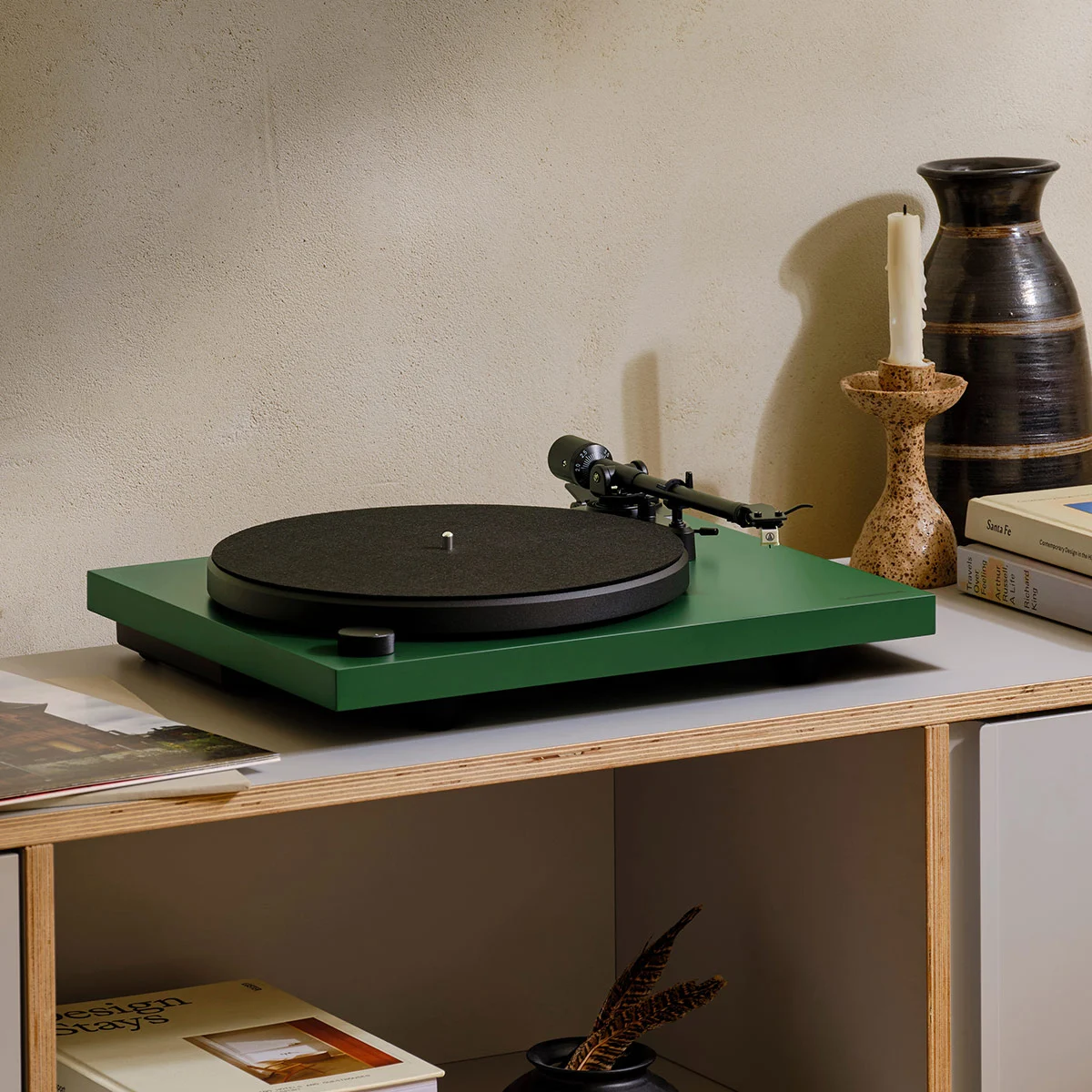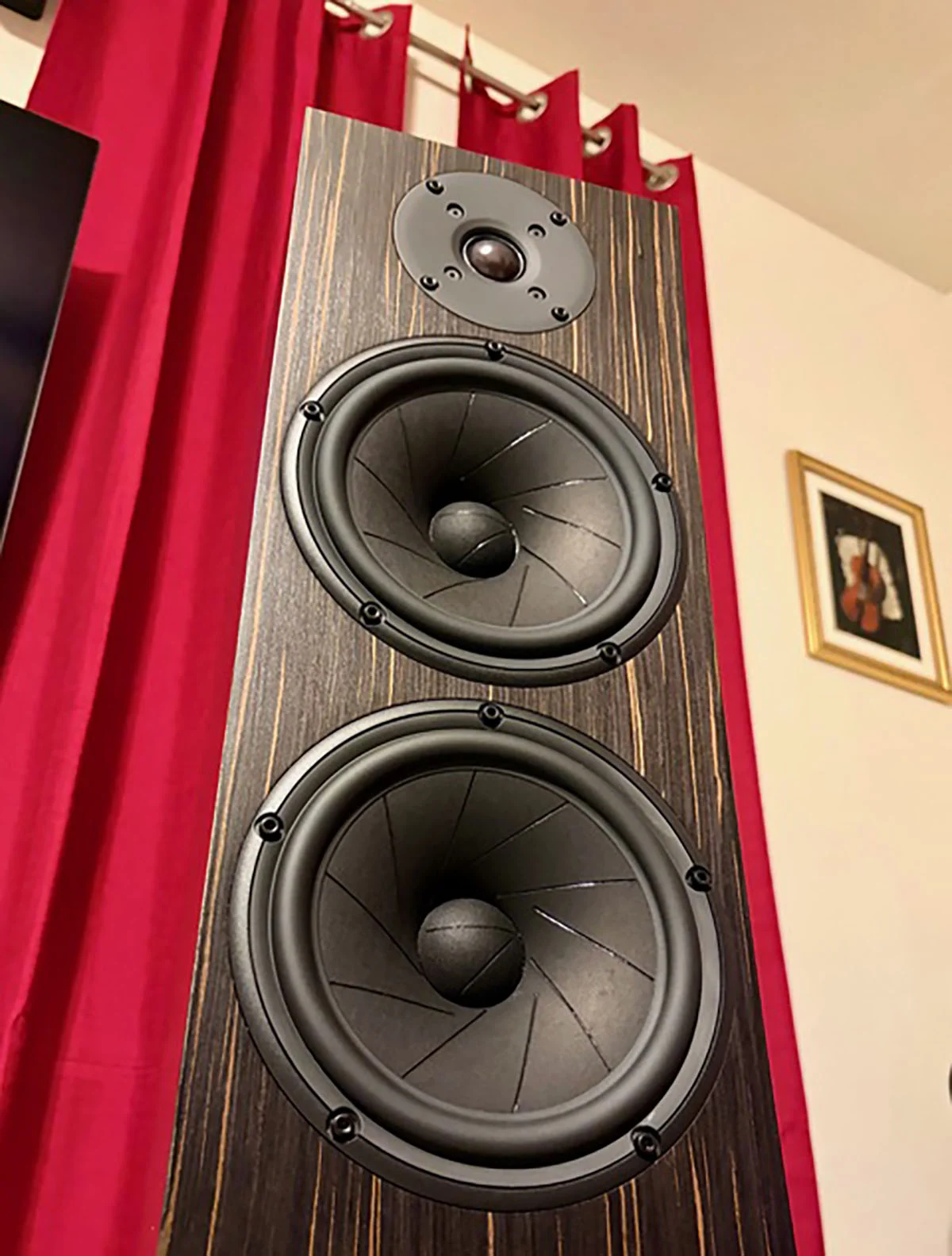
In an era dominated by the ephemeral convenience of digital streaming, the physical medium of vinyl has experienced a remarkable, sustained resurgence. For audiophiles and casual listeners alike, the tactile experience of placing a needle into a groove represents a commitment to the craft of music. This report examines four significant recent releases that highlight the pinnacle of modern audio production, from the meticulous archival work of Mobile Fidelity Sound Lab to the raw, kinetic energy of live jazz and Americana.
I. The "Kamakiriad" ONE-STEP: A Masterclass in Audiophile Craftsmanship
In July 2026, Mobile Fidelity Sound Lab (MoFi) unveiled their long-anticipated ONE-STEP reissue of Donald Fagen’s 1993 solo masterpiece, Kamakiriad. Arriving in the 33rd year since the album’s original release, the timing feels poetic. In numerology, 33 is a "Master Number," often associated with spiritual guidance and the culmination of a journey—a fitting thematic mirror to Fagen’s narrative concept album.
The Technical Marvel
Mastered by Krieg Wunderlich, this reissue utilizes a PCM digital master fed through an analog console to the cutting lathe. The result is pressed onto 180-gram high-definition vinyl at 45 RPM across two LPs. The packaging, featuring a deluxe slipcase and foil-stamped jackets, serves as a physical testament to the archival importance of the work.
The Sonic Landscape
The listening experience is nothing short of revelatory. Unlike standard pressings, the MoFi ONE-STEP provides an expansive soundstage where instruments are presented with startling clarity. During critical listening sessions, the balance remained impeccable even at high volumes (80dB with significant dynamic swings). The bass response is particularly noteworthy—tight, incisive, and possessing a tactile texture that keeps the rhythm section firmly locked in the pocket.

Fagen’s Kamakiriad is a narrative journey. Set in the near-future of the late 1990s, the protagonist traverses a surreal landscape in a custom "Kamakiri" vehicle, encountering characters and scenarios that range from the whimsical to the existential. Listening to the album from start to finish—as it was intended—is essential; pulling a single track for a "demo" feels akin to removing a limb from a living body.
II. Steely Dan’s "Northeast Corridor": The Power of Live Performance
Complementing the studio precision of Kamakiriad is Northeast Corridor, Steely Dan Live. As the first official live Steely Dan record in over 25 years, it serves as a bridge between the legendary studio perfectionism of Walter Becker and Donald Fagen and the visceral, improvisational energy of their touring ensemble.
The Challenges of Production
The industry currently faces a significant bottleneck in vinyl production, with wait times for pressing plants often stretching to six months or more. Northeast Corridor has suffered from availability issues, yet its status as a 180-gram 2LP set mastered by Bernie Grundman makes it a prized acquisition for collectors.
Musical Analysis
The recording quality is exceptional for a live project. Rather than relying on the exact, sterile arrangements of the original studio tapes, these versions breathe. Tracks like "Black Cow" and "Hey Nineteen" offer a fresh, updated perspective, while "Aja" features a standout performance by drummer Keith Carlock, who manages to pay homage to the legendary Steve Gadd while injecting his own creative flourishes. It is a rare document that proves a band known for "perfection" can capture lightning in a bottle on stage.

III. Robert Plant & Alison Krauss: "Raise The Roof"
The collaboration between rock icon Robert Plant and bluegrass virtuoso Alison Krauss remains one of the most successful genre-blending experiments in modern music. Their second album, Raise The Roof, produced by the legendary T Bone Burnett, showcases a profound maturity in both songwriting and sonic texture.
Chart Performance and Accolades
Debuting in the Top 10 of the Billboard 200 and the Top Country Albums, the record received three Grammy nominations, including Best Americana Album. It stands as a testament to the fact that commercial success and artistic integrity are not mutually exclusive.
The Vinyl vs. Digital Divide
When comparing the 180-gram vinyl pressing to the 24-bit/96kHz Qobuz stream, the vinyl offers a richer, more "meaty" midrange and a superior low-end foundation. While the digital version is clear, it lacks the sustain and harmonic complexity found in the analog grooves. Songs like "Quattro (World Drifts In)" and "Can’t Let Go" demonstrate the duo’s ability to remain within the "pocket" of the music, prioritizing the story over individual ego or vocal gymnastics.
IV. Archival Discovery: Thelonious Monk in Paris
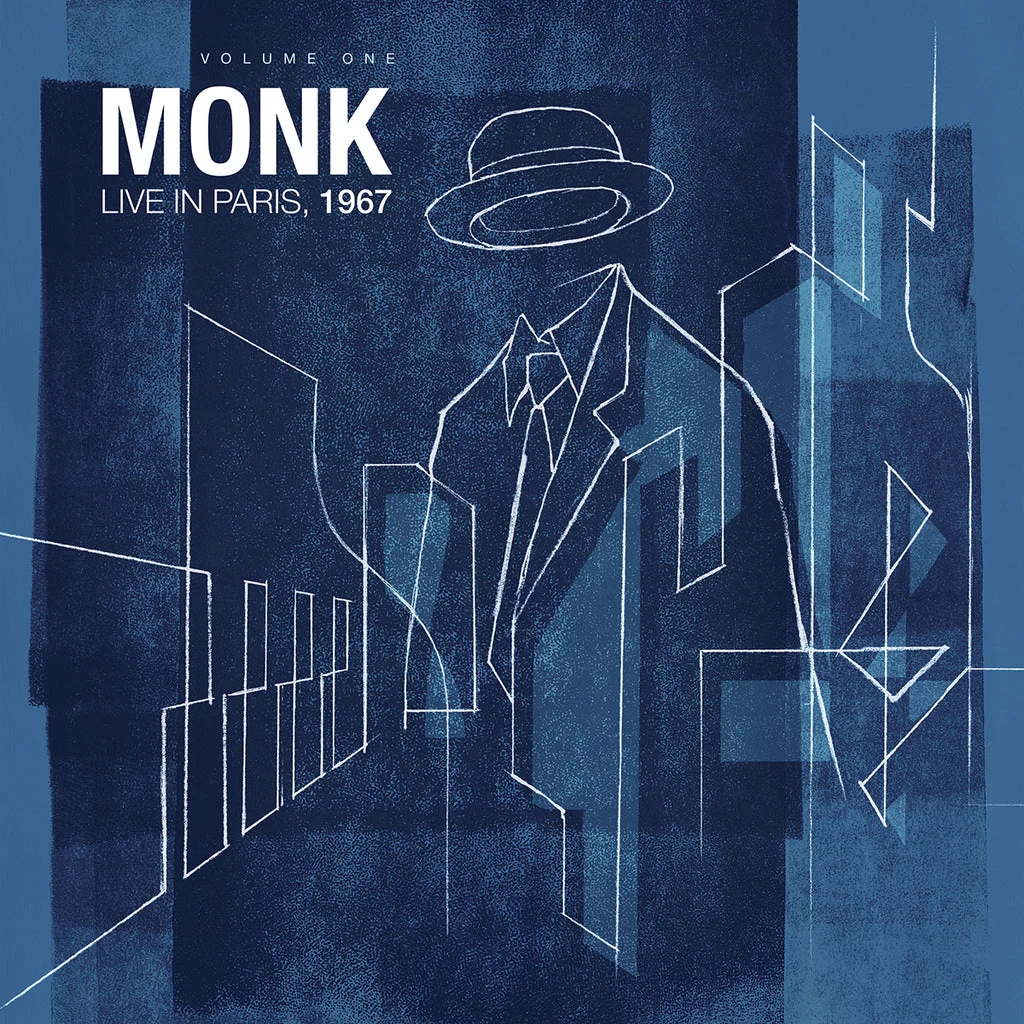
Rounding out this collection of high-fidelity experiences is Monk Live In Paris, 1967 (Volume One). Recently discovered in France, these tapes have been restored at the legendary Van Gelder Recording Studios, offering a window into a pivotal moment in jazz history.

Historical Context
This recording captures Thelonious Monk’s quartet during their Salle Pleyel residency. Featuring saxophonist Charlie Rouse, bassist Larry Gales, and drummer Ben Riley, the performance is a masterclass in interplay. The release is particularly exciting for jazz purists, as the tapes had been lost to history for decades.
Sonic Restoration
Despite the age and unknown storage conditions of the source tapes, the restoration is remarkable. The piano possesses a natural weight and authority, and the venue’s acoustics are captured with surprising intimacy. Pressed on 180-gram translucent blue vinyl, the release is a triumph of preservation, ensuring that the legacy of one of jazz’s greatest innovators remains vibrant for future generations.
V. Implications for the Audiophile Community
The release of these four distinct projects highlights several critical trends in the music industry:
- The Premiumization of Physical Media: Consumers are increasingly willing to pay a premium for high-quality packaging, meticulous mastering, and limited-edition runs. The success of the MoFi ONE-STEP series proves that the market for "definitive" versions of classic albums is stronger than ever.
- The Bottleneck Crisis: The surging demand for vinyl has exposed the fragility of the global supply chain. As noted by industry veterans, the wait for pressing time is currently the greatest obstacle to growth in the independent music sector.
- The "Album as Art" Philosophy: Across all four reviews, there is a recurring theme: the rejection of "playlist culture." These releases are designed to be consumed in their entirety, reinforcing the album as a cohesive, curated narrative rather than a collection of singles.
Final Assessment
Whether it is the clinical, breathtaking precision of Kamakiriad, the raw, sweaty energy of Northeast Corridor, the soulful Americana of Raise The Roof, or the historical weight of Thelonious Monk’s Parisian sessions, the state of modern audiophile music is robust. We are living through a golden age of reissues, where technology and archival passion are coming together to preserve the past while setting a new standard for the future of listening.

For the dedicated listener, these albums are more than just plastic discs; they are vessels of memory, emotion, and technical achievement that remind us why, even in a digital world, we still seek the needle in the groove.