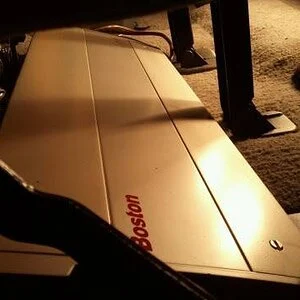
In the digital era, the internet is often described as an infinite archive, a vast repository of human activity that never truly sleeps. However, this permanence creates a unique phenomenon: the "ghost listing." This occurs when high-quality, vintage electronic equipment is posted to niche enthusiast forums, only to be abandoned as the platform’s user base shifts or the seller moves on to other chapters of life.
A recent interaction on the long-standing CarAudio.com community forum serves as a poignant case study in this digital relic behavior. The listing, which offered rare a/d/s/ electronic crossovers, highlights the intersection of vintage car audio collecting, the transient nature of online commerce, and the persistent hopes of modern enthusiasts searching for discontinued hardware.
The Main Facts: A Treasure Trove of Vintage Audio
In May 2011, a user identified as "zinda" posted a classified advertisement that, at the time, would have been considered a significant find for any serious car audio aficionado. The seller listed three high-end a/d/s/ electronic crossovers: one model 642ix and two models 642CSi.
a/d/s/ (Analog & Digital Systems) is a brand revered by audiophiles for its precision engineering and high-fidelity sound reproduction. During the golden age of car audio—roughly the late 1980s through the early 2000s—these components were the gold standard for signal processing.
The seller, zinda, described the units as essentially brand new, having been unboxed only for testing purposes. With no physical blemishes or mechanical defects, the equipment was priced at $30 per unit, or a "bundle" price of $75 for all three. The listing included a series of photographic attachments—a common practice on forums to verify ownership and condition—providing visual proof of the equipment’s pristine state.
Chronology: From Active Marketplace to Digital Relic
To understand the lifecycle of this specific listing, one must look at the timeline of events, which spans over 15 years.
- May 30, 2011: The original post is published by zinda. At this time, the car audio forum is at its peak of engagement, with active trading and real-time negotiations.
- 2011–2013: The listing remains visible, though it slowly drifts down the forum index as newer threads replace it. During this period, the seller remains periodically active on the site.
- 2013: The last recorded login for the user zinda occurs. This effectively renders the account dormant, turning the classified post into an "orphan listing."
- 2026 (September 23): A new user, Escape068, encounters the thread while searching for the specific a/d/s/ 642ix hardware. Misled by the thread’s continued visibility, they post an inquiry asking, "Hi do you still have the ADS 642 ix for sale?"
- 2026 (September 24): A veteran member of the forum, dragon.breath, provides a reality check, noting, "Look at the dates. Listing is from 2011. Seller has not logged in here since 2013."
This timeline illustrates the "illusion of availability" that search engines and archival forums create. For the modern enthusiast, a search result from 2011 looks identical to a search result from 2026, leading to wasted time and missed connections.
Supporting Data: Why a/d/s/ Still Matters
The persistent interest in the a/d/s/ 642ix and 642CSi is not merely nostalgia; it is driven by the specific engineering philosophy that defined the brand.
Technical Specifications and Utility
The 642ix and 642CSi are electronic crossovers that allow for precise frequency distribution, ensuring that subwoofers receive low-frequency signals while mid-range and high-frequency speakers handle the rest. The primary difference noted by the original seller—the CSi’s switch for subwoofer mono/stereo operation—was a feature intended for maximum flexibility in bridged amplifier configurations.
In the modern car audio market, most signal processing is handled by digital signal processors (DSPs). However, many "purist" enthusiasts prefer the analog circuitry of units like the a/d/s/ 642 series. They argue that these vintage analog crossovers provide a "warmth" and "transparency" that modern, low-cost digital alternatives often struggle to emulate.
The Scarcity Factor
The market for high-quality vintage audio is shrinking as existing units fail or are discarded during vehicle sales. As these components become increasingly scarce, the value of "new old stock" (NOS) items like the ones zinda possessed in 2011 skyrockets. If those three units were indeed in the condition described, they would likely fetch a premium on modern auction sites like eBay or specialized enthusiast groups today, far exceeding the $75 bundle price requested in 2011.
Official Responses and Community Interaction
The interaction between Escape068 and dragon.breath represents the community’s role as a self-policing archive. In the absence of a site administrator to prune old threads, veteran users take on the role of digital historians.
The bluntness of dragon.breath’s response—"Look at the dates"—is a standard social convention in internet forum culture. It serves to redirect the user’s attention toward current, active listings. However, it also highlights the frustration inherent in searching for vintage gear. The "ghost listing" serves as a reminder that the digital world is filled with remnants of past trades that will never be completed.
Implications: The Problem of Digital Decay
The situation with the a/d/s/ crossovers raises significant questions regarding the stewardship of online information.
The Failure of Legacy Systems
Most forum software, such as the XenForo platform used by CarAudio.com, is designed for real-time interaction. It does not natively distinguish between a thread that is "live" and a thread that has become an "archival artifact." This lack of automated expiration dates creates a cluttered digital environment where buyers are constantly hitting dead ends.
The Loss of Knowledge and Inventory
When a seller disappears, not only is the inventory lost to the community, but the collective knowledge associated with those transactions also degrades. If zinda had provided a detailed review or a technical manual for the 642ix, that information remains trapped in a thread that most users will now ignore or dismiss as irrelevant.
A Call for Better Digital Housekeeping
For online communities to remain vibrant, there must be better systems for content management. This could include:
- Automated Thread Archiving: Moving classifieds older than five years into a "Read Only" section.
- Seller Status Indicators: Highlighting the "Last Active" date of the original poster prominently in the thread title.
- User-Driven Pruning: Empowering moderators to close inactive sales threads to prevent "necro-posting."
Conclusion
The story of the a/d/s/ crossovers on CarAudio.com is a microcosm of the internet’s broader struggle with its own history. While the hardware remains a testament to superior 20th-century engineering, the listing itself has become a digital ghost—a reminder that in the world of online commerce, timing is not just everything; it is the only thing.
As enthusiasts continue to scour the web for the rare components that defined their youth, they will inevitably encounter these echoes of the past. Until forums implement smarter archival strategies, these ghost listings will continue to serve as both a beacon of hope and a source of frustration for the next generation of audiophiles. The a/d/s/ 642ix units, wherever they ended up, remain a symbol of a bygone era of audio excellence, forever frozen in a moment of 2011, waiting for a buyer who—like the units themselves—has long since moved on.