Mark Wahlberg’s career trajectory is a rare study in reinvention. From the raw, kinetic energy of his 1997 breakout in Paul Thomas Anderson’s Boogie Nights to his current status as a Hollywood titan, Wahlberg has spent nearly three decades mastering the art of the pivot. While his filmography remains stacked with crime dramas, gritty thrillers, and blockbuster action franchises—most recently appearing in the historical manhunt thriller By Any Means—the actor is increasingly defining himself by his off-screen ventures.
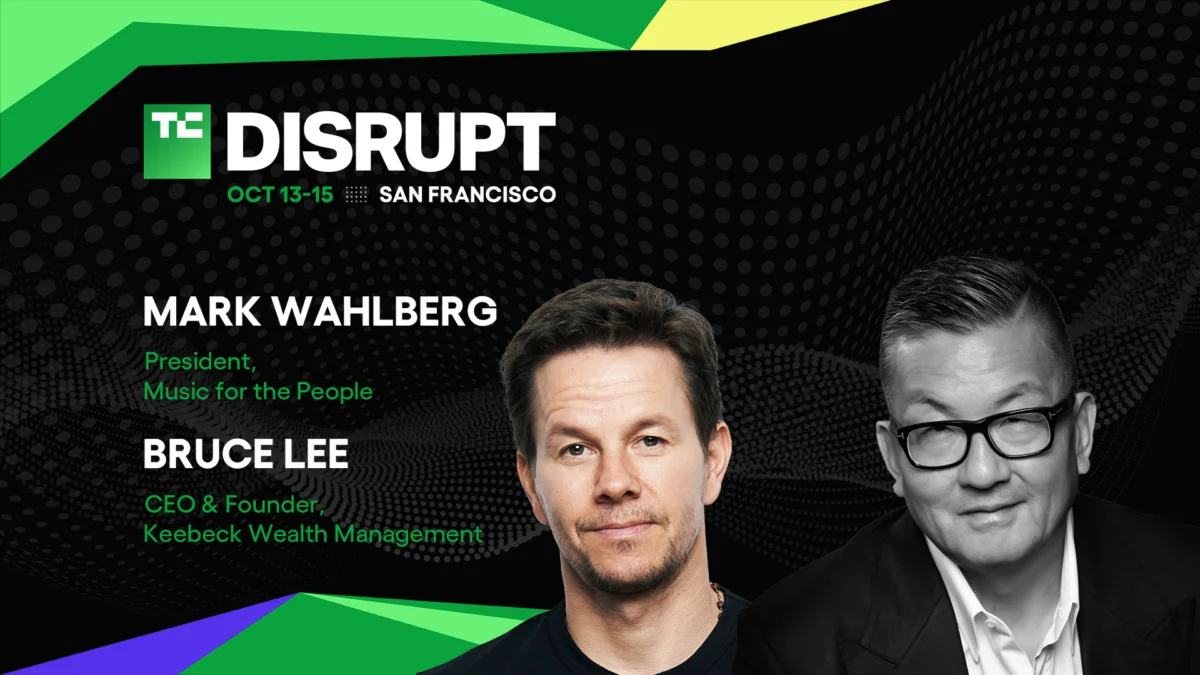
At TechCrunch Disrupt 2026, scheduled for October 13–15 at San Francisco’s Moscone West, Wahlberg will take the main stage alongside Bruce K. Lee, founder and CEO of Keebeck Wealth Management. This fireside chat promises to pull back the curtain on a decade of business evolution, shedding light on how a Hollywood A-lister successfully transitioned into a sophisticated institutional investor.
The Architecture of a Modern Empire: A Chronology of Growth
To understand where Wahlberg is going, one must look at where he has been. His journey from performer to entrepreneur was not a sudden leap, but a calculated accumulation of equity and experience.
- 1997–2005: The Breakout and The Blueprint: Following his critical acclaim in Boogie Nights, Wahlberg leveraged his rising marketability to enter the production side of the industry. This era saw the genesis of his collaborative efforts, including the development of HBO’s hit series Entourage, which provided an early, fictionalized look into the intersection of talent and business management.
- 2006–2015: Diversification into Consumer Goods: During this decade, Wahlberg began applying his brand to tangible markets. This included the expansion of the Mark Wahlberg Youth Foundation (celebrating 25 years of service to inner-city youth) and the launch of various hospitality and fitness ventures. By embedding himself in the consumer lifestyle space, he gained a visceral understanding of brand loyalty and supply chain management.
- 2016–2025: The Institutional Pivot: Moving away from purely "celebrity-backed" ventures, Wahlberg began shifting his focus toward high-level financial strategy. Partnering with industry veterans like Bruce K. Lee, he started treating his capital with the rigor of a family office, focusing on scalable technology, wellness, and healthcare.
The Intersection of Culture and Capital: Supporting Data
Wahlberg’s transition is emblematic of a broader trend: the "creator-investor" class. According to industry analysis, celebrity-led venture capital has grown by nearly 40% in the last five years, as high-net-worth individuals from the entertainment sector seek to mitigate the volatility of the box office with the growth potential of private equity and venture debt.
For Wahlberg, the strategy is anchored in "cultural intelligence." He has spent his career reading audiences, and he is now applying that same skill to market sentiment. His partnership with Keebeck Wealth Management serves as the bedrock of this new chapter. By utilizing Lee’s expertise in institutional-level wealth management, Wahlberg has moved from "angel investor" to a strategic partner in complex financial deals, specifically in the burgeoning health-tech and wellness sectors.

The "Unvarnished" Reality: Learning and Unlearning
One of the most anticipated aspects of the Disrupt 2026 session is the candid discussion on the failures that paved the way for his current success. In a landscape that often glorifies the "win," Wahlberg has expressed a desire to be transparent about the "unlearning" process.
The Pitfalls of Celebrity Investing
Many entertainers enter the VC space with a "name-brand" mentality, assuming that their profile alone is enough to secure a return. Wahlberg has been vocal about the necessity of abandoning this ego-driven approach. His evolution required him to:
- Dismantle the "Influencer" Bias: Realizing that social media reach does not equate to product-market fit.
- Institutional Discipline: Transitioning from gut-check decision-making to data-driven due diligence.
- Risk Mitigation: Understanding that, unlike a film project where the studio absorbs the bulk of the financial risk, venture capital requires a different tolerance for long-term, non-liquid investments.
"He is someone who has been building institutional-level investing discipline," note organizers of the Disrupt event. "It’s a rare look at how someone with his level of public recognition has worked his way into some of the most sophisticated, closed-door rooms in business and finance."
The Technological Frontier: Why Healthcare and Wellness?
Wahlberg’s recent focus on healthcare and wellness startups is not merely a diversification strategy; it is a reflection of his own life’s work. Having maintained one of the most rigorous fitness and wellness regimens in Hollywood for decades, he brings a unique "user-end" perspective to these investments.
He is currently evaluating technologies that focus on:

- Longevity and Preventative Care: Leveraging AI to predict and prevent health declines before they become acute.
- Scalable Nutrition: Moving beyond traditional supplement models into personalized, tech-enabled wellness programs.
- Health Infrastructure: Digital tools that bridge the gap between patients and specialized care providers.
By backing these companies, Wahlberg is not just a passive check-writer. He is leveraging his ability to create brand awareness and provide "access and deal flow," using the trust he has built over 30 years to open doors that are typically locked to outsiders.
Implications for the Startup Ecosystem
The presence of a figure like Wahlberg at TechCrunch Disrupt signals a changing of the guard in Silicon Valley. It suggests that the "traditional" path to venture capital—finance backgrounds and MBA degrees—is being challenged by a new class of investors who bring unconventional, yet highly effective, expertise to the table.
For the 10,000+ tech leaders converging at the Moscone West in October, the lesson is clear: innovation is no longer limited to the laboratory or the server room. It is increasingly found at the intersection of lifestyle, consumer trust, and institutional financial architecture.
What to Expect at Disrupt 2026
The session with Wahlberg and Lee is designed to be more than a celebrity interview. It is a masterclass in the "mechanics of leveling up." Attendees will gain insight into:
- Deal Flow: How to leverage personal networks to access early-stage opportunities.
- Mentorship: The importance of pairing creative intuition with financial oversight.
- The Future of Innovation: A preview of the sectors that Wahlberg believes will define the next decade of the consumer economy.
Secure Your Place at the Nexus of Innovation
The window to secure a ticket for TechCrunch Disrupt 2026 is closing, with price increases scheduled for tonight at 11:59 p.m. PT. With over 250 industry leaders, 200+ sessions, and the brightest minds in the startup world gathering in San Francisco, the event serves as a critical junction for anyone looking to influence the trajectory of their business.

Whether you are a founder looking for your next round of funding, an investor scouting the next big thing, or an entrepreneur looking to refine your strategy, the insights shared by Mark Wahlberg and Bruce K. Lee will provide a blueprint for navigating the complexities of the modern investment landscape.
As the industry shifts toward a more integrated model of business, the lessons from those who have successfully crossed the bridge from the silver screen to the boardroom will become increasingly vital. Don’t miss your chance to be in the room when these strategies are unveiled. [Grab your pass now and save up to $200 before the clock strikes midnight.]
Disclaimer: When you purchase through links in our articles, we may earn a small commission. This does not affect our editorial independence. All information regarding event pricing and scheduling is subject to change at the discretion of the event organizers.