Publisher’s Note: Originally published more than a decade ago, this foundational review of the Pass Laboratories XS Preamplifier has been restored and expanded to provide essential context. As Pass Labs prepares to launch the long-awaited XS Pre 2, revisiting this benchmark component sheds light on the engineering philosophy that defined a generation of ultra-high-end audio.
Main Facts: The Benchmark of Transparency
In the realm of ultra-high-end home audio, achieving true neutrality is the ultimate pursuit—and perhaps the most elusive. Many components leave a distinct sonic fingerprint, adding warmth, analytical edge, or harmonic coloration to the signal. Yet, when evaluated over extended listening sessions, the Pass Laboratories XS Preamplifier—commanding a formidable $38,000 price tag—achieves something exceedingly rare: it completely disappears.
As Lou Reed murmurs in his haunting track "Vanishing Act," "It must be nice to disappear…"—words that immediately come to mind when experiencing the XS Pre. Spanning a heavy-duty, two-chassis design that weighs in at 80 pounds, the preamplifier separates its massive power supply from the delicate audio circuitry. With a staggering 100,000 microfarads ($mutextF$) of power supply capacitance per channel, the unit delivers an effortless reservoir of current, ensuring dynamic peaks are handled with absolute authority.

Unlike the Pass XS and XA series power amplifiers, which lean ever so slightly toward an inviting, organic warmth, the XS Pre maintains a laser-flat, dead-center "12 o’clock" neutrality. Alongside elite peers like the Boulder 3010 and the Robert Koda K-10, the XS Pre sits at the absolute pinnacle of line-stage design, offering reference-grade performance without ever imposing its own character on the music.
Chronology: A Decade-Long Legacy in Reference Systems
To truly understand a component of this caliber, a brief look at its operational timeline within a high-end reference system is revealing:
- Initial Integration (Year One): Straight out of the box, the XS Pre required approximately four days of continuous operation to fully clear the initial "sonic fog" associated with fresh solid-state circuitry. Once settled, it exhibited zero listener fatigue.
- Long-Term Evaluation (Years Two through Five): Deployed across a revolving door of world-class front-end sources—including the dCS Rossini DAC and Clock, and analog rigs featuring Avid Acutus and Grand Prix Audio Monaco turntables—the preamplifier proved utterly impervious to source fatigue. Its solid-state architecture eliminated the maintenance headaches, microphonics, and degradation associated with vacuum-tube preamplifiers.
- System Synergy Phase (Years Six to Ten): Paired extensively with matching Pass XS 300 monoblocks and the XS Phono stage, the preamplifier served as an unshakeable system anchor, seamlessly driving diverse loads from MartinLogan Neolith electrostatic hybrids to Focal Sopra No.3 dynamic loudspeakers.
- Retrospective & Succession (Present Day): As Pass Labs readies the successor XS Pre 2, this retrospective confirms that the original design has aged not a day, retaining its status as one of the most reliable and transparent control units ever commercialized.
Supporting Data: Engineering and Performance Metrics
The architectural integrity of the Pass XS Pre is rooted in uncompromising industrial design and electrical engineering. Spearheaded by Wayne Colburn—given a virtually blank check and a clean slate by Nelson Pass—the preamplifier avoids conventional audiophile clichés in favor of pure, measurable performance.
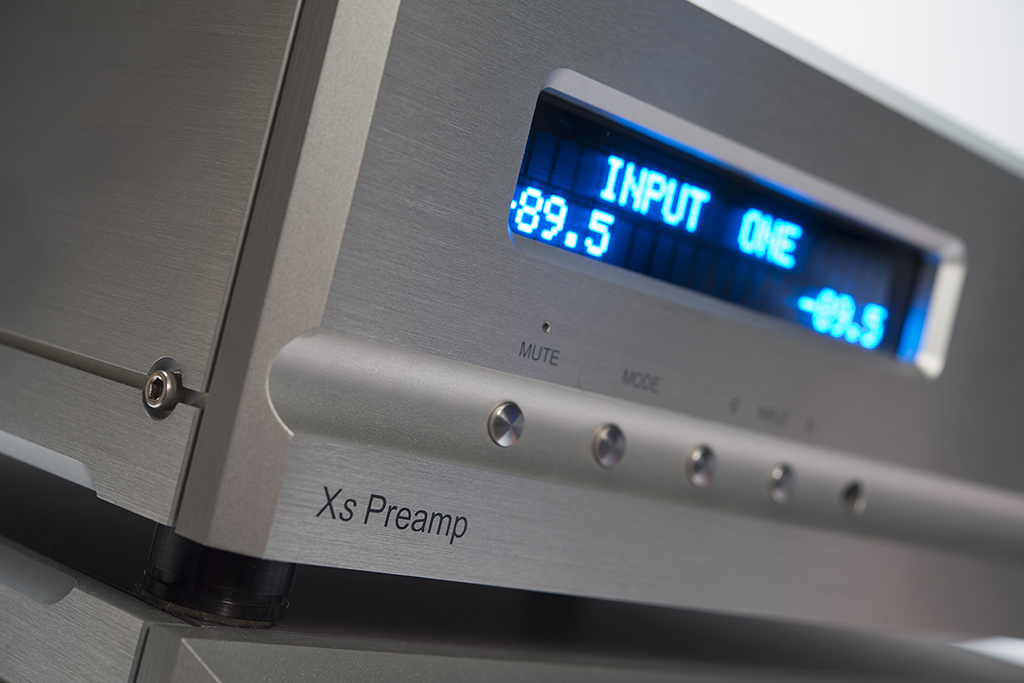
Architectural Specifications & Peripherals
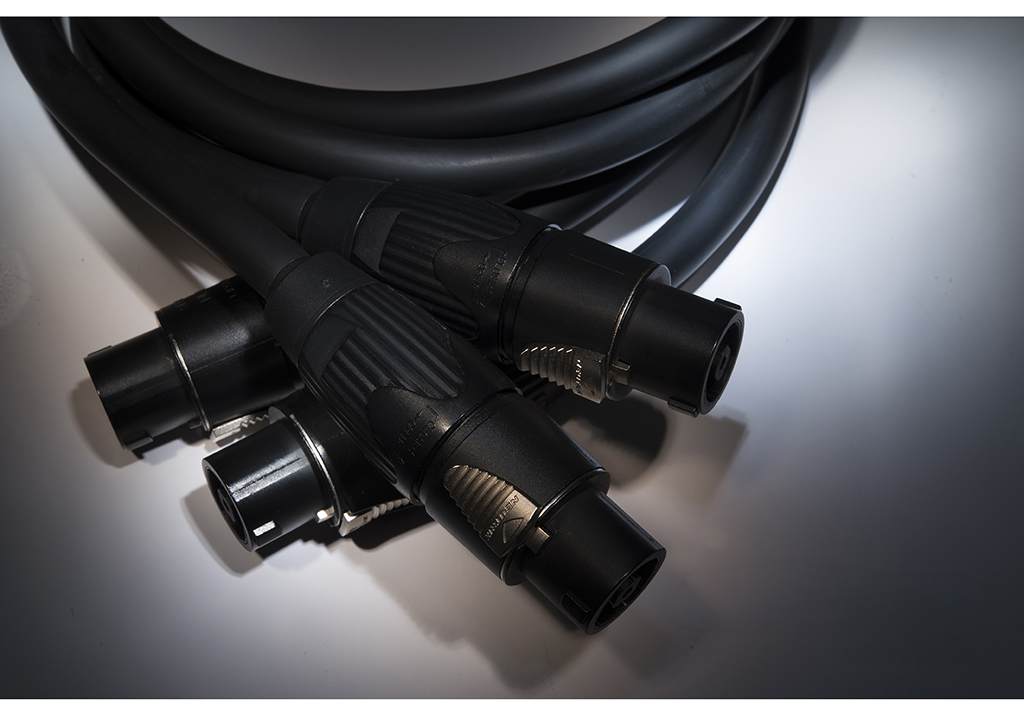
- Chassis Configuration: Dual-chassis (separate power supply and control units), connected via heavy-duty Neutrik-terminated umbilical cords.
- Filter Capacitance: 100,000 $mutextF$ per channel.
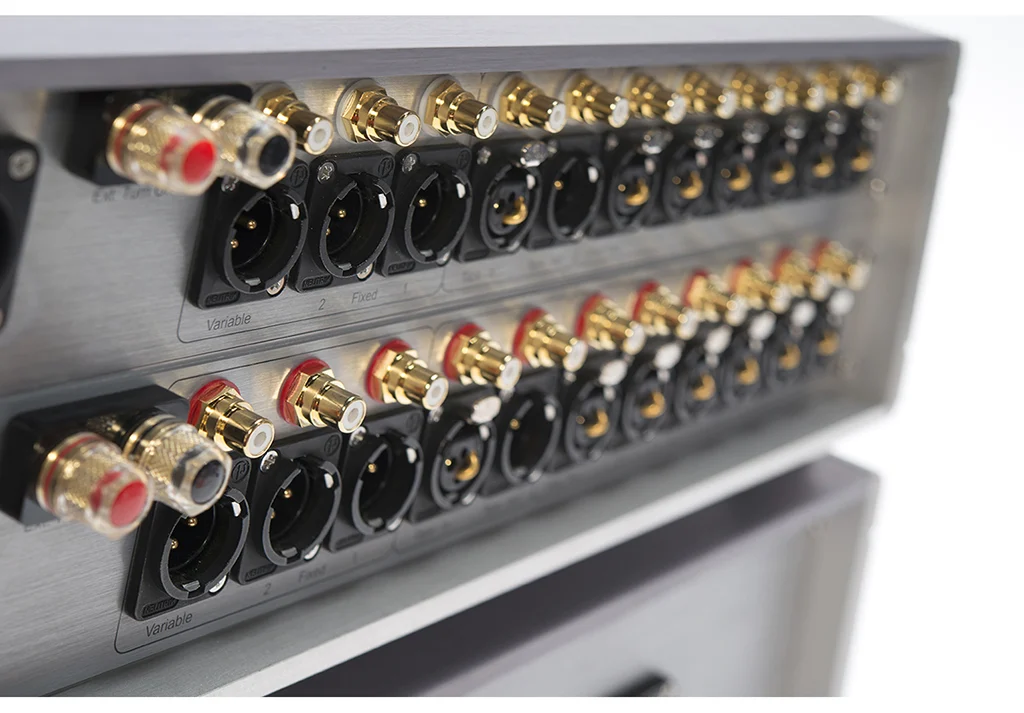
- Inputs/Outputs: Fully balanced topology supporting both XLR and single-ended RCA connections.
- Operational Power: Designed without a traditional power switch; engineered to remain powered continuously for optimal thermal equilibrium.
- Reference System Components Used During Testing:
- Analog Sources: AVID Acutus Ref SP/SME V/Lyra Atlas, Grand Prix Audio Monaco 2.0/Tri-planar/Lyra Etna, Brinkmann Bardo/10.1 arm/Koetsu Jade Platinum.
- Digital Sources: dCS Rossini DAC and Clock, Gryphon Kalliope.
- Phonostage: Pass Labs XS Phono.
- Power Amplifiers: Pass Labs XS 300 monoblocks, Pass Labs XA200.8.
- Loudspeakers: GamuT RS5i, Focal Sopra No.3 with dual REL 212 subwoofers, MartinLogan Neolith.
- Cabling: Tellurium Q Silver Diamond, Cardas Clear.
When comparing a direct connection—running high-end digital sources straight into monoblock amplifiers—against routing the signal through the XS Pre, the sonic disparity is staggering. Conventional wisdom suggests that "less is more" and that eliminating a component in the signal path should yield higher fidelity. Yet, inserting the XS Pre expands the soundstage exponentially in all three dimensions, widens dynamic range, and gives transients an explosive, lifelike punch that a direct-connect setup simply cannot replicate.
Official Responses and Design Philosophy
Nelson Pass has long maintained a straightforward philosophy: Pass Laboratories builds components that satisfy the listening preferences of its creators above all else. While Nelson Pass is globally renowned for his groundbreaking work in power amplifier topologies, Wayne Colburn’s mandate for the XS preamplifier line was to create an absolute sonic mirror.
In official statements regarding the development of the XS series, Pass Labs engineers emphasized that the preamplifier was engineered not to "improve" the sound, but to remove the electronic barriers standing between the listener and the recording. By utilizing a fully balanced layout and massive power reserves, the circuit effortlessly handles complex impedance interactions across disparate loads.
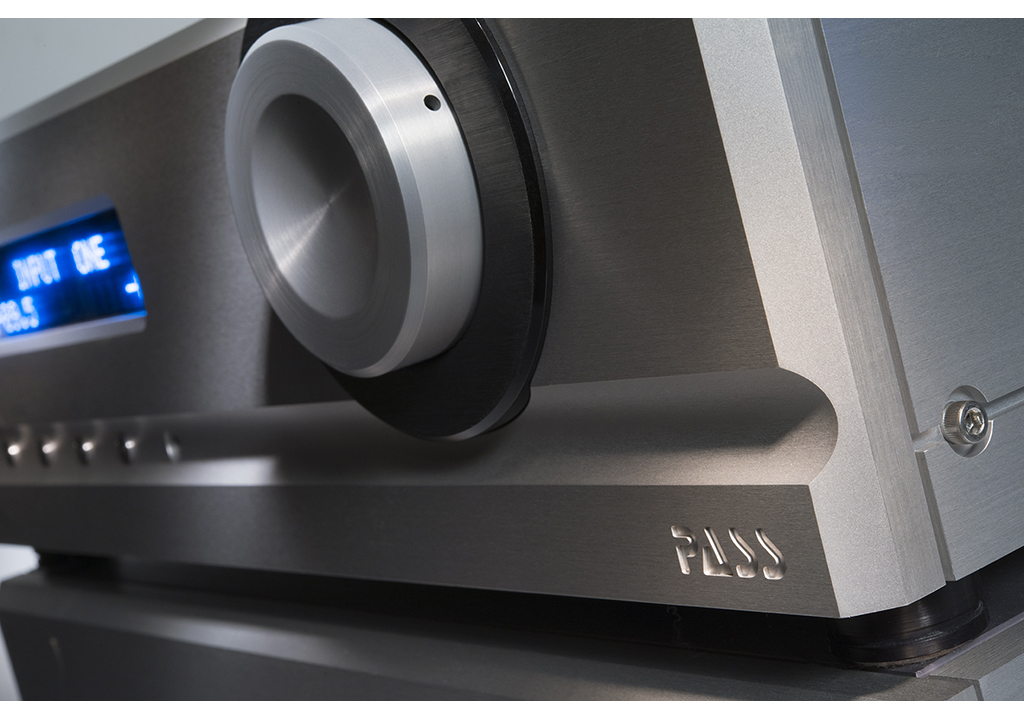
Furthermore, the decision to omit a physical power switch underscores the design philosophy that reference-grade solid-state electronics perform best when left at stable operating temperatures indefinitely. The absence of vacuum tubes ensures long-term operational stability, eliminating the costly and frustrating ritual of periodic tube rolling and matching.
Implications: The High Cost of Absolute Transparency
Evaluating a five-figure, ultra-high-end audio component always carries an inherent financial risk. Just like purchasing an exotic sports car, buying a $38,000 preamplifier requires a leap of faith. If a buyer discovers it does not mesh with their personal taste, turning it over on the secondary market can incur a steep financial penalty unless mediated by an exceptionally accommodating dealer.
However, the statistical likelihood of an owner parting with the Pass XS Pre is remarkably low. As demonstrated through years of rigorous critical listening, its ability to anchor any high-end system without imparting color, grain, or electronic signature makes it a permanent fixture.
To truly understand the value of the XS Pre, one need only perform a simple diagnostic test: listen to an intricate, dynamic track with the preamplifier in the signal path, and then remove it. The experience is akin to driving a high-performance sports car restricted to a valet key—suddenly, the effortless horsepower, depth, and visceral impact vanish.
For audiophiles possessing the dedicated listening space, high-resolution source components, and financial capability, the Pass XS Pre represents more than just a line-stage; it is an enduring masterclass in sonic purity. As the audio community looks forward to the introduction of the XS Pre 2, the original XS Pre stands as a monumental achievement—proving that the highest art of engineering is making the technology itself completely disappear.