
By Staff Reporter
September 19, 2026
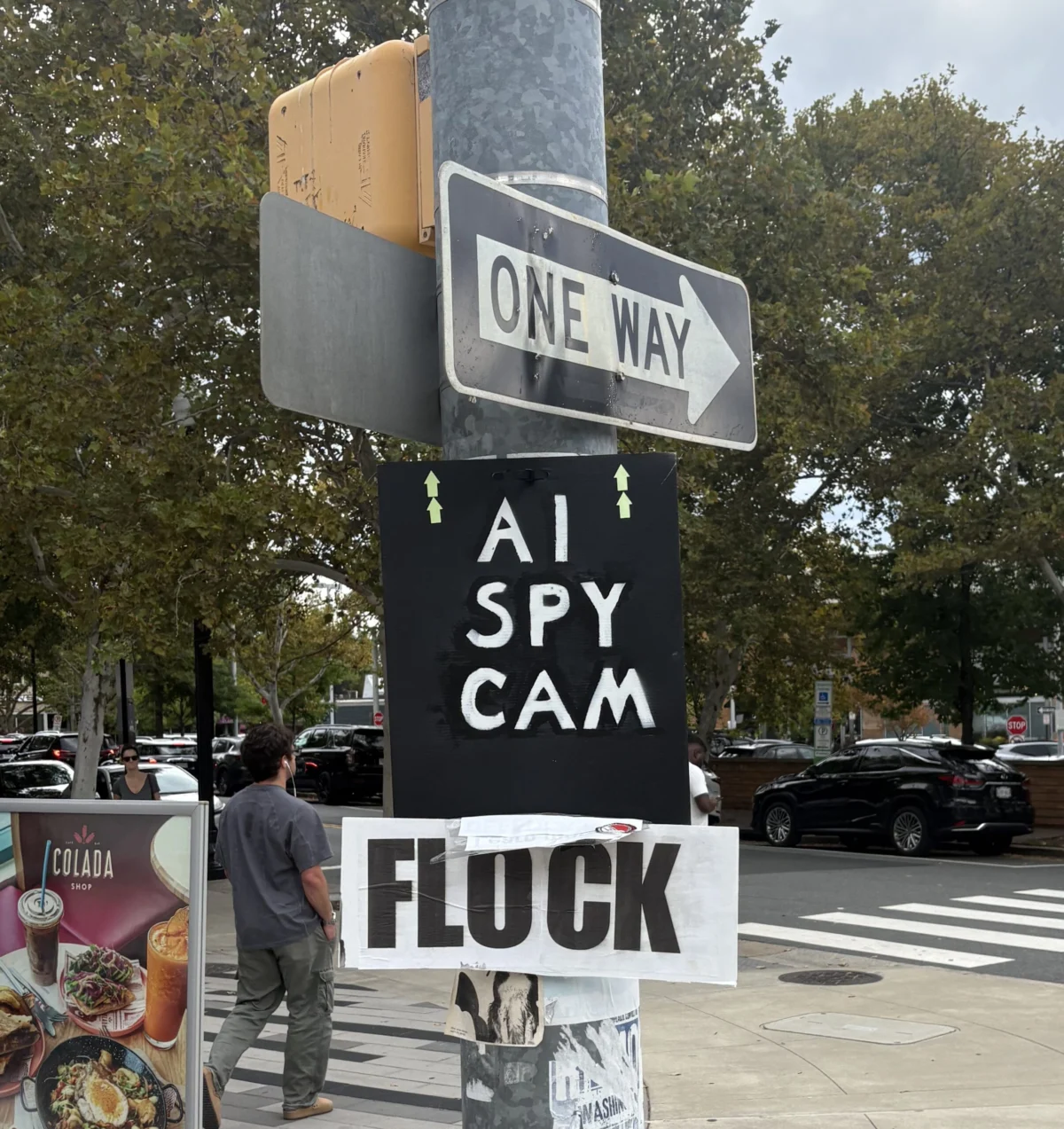
In a significant pivot for one of the most prominent players in the private surveillance sector, Flock Safety has announced a sweeping voluntary buyout program for its 1,500-person workforce. The move, characterized by the company as its “most generous” severance offering to date, arrives at a critical juncture for the firm, which has faced a relentless wave of public criticism, legislative scrutiny, and mass contract terminations throughout the summer of 2026.
According to internal communications reported by Wired, the company intends to grant these buyout packages to a majority of applicants, effectively trimming its staff numbers while avoiding the optics of a traditional, involuntary mass layoff. The decision signals an attempt by leadership to stabilize a company reeling from a series of high-profile scandals involving the misuse of its automated license plate recognition (ALPR) technology.
The Catalyst: A Summer of Scandal
The necessity for such a dramatic restructuring follows an explosive investigative report published in August 2026 by The Washington Post. The report meticulously documented 46 documented cases in which law enforcement officers utilized Flock’s vast network of cameras to facilitate the stalking and harassment of partners, ex-partners, and spouses.
The findings sparked an immediate firestorm of public outrage. For a company that built its brand on the promise of public safety and crime prevention, the revelation that its infrastructure was being weaponized for personal vendettas by the very agencies it serves proved catastrophic to its reputation.
The backlash was not merely reputational; it was systemic. As civil liberties groups mobilized and privacy advocates ramped up their campaigns, municipal governments began to react. By the end of August, data compiled by privacy watchdogs indicated that 90 cities had moved to terminate their contracts with Flock—a figure representing a fourfold increase in churn compared to the previous month. The domino effect reached the state level, with both Florida and Texas—typically robust markets for surveillance tech—announcing official mandates to halt the use of Flock’s systems, citing grave privacy concerns.
Chronology: The Erosion of Trust
The decline of Flock’s standing in 2026 can be traced through a rapid succession of events:
- Early Summer 2026: Increasing pressure from privacy advocates regarding the "always-on" nature of Flock’s networked cameras begins to gain traction in local city council meetings.
- August 2, 2026: The Washington Post publishes its investigation into the use of ALPR data for stalking, causing a national scandal.
- Mid-August 2026: A surge in contract terminations occurs, with 90 cities cutting ties in a single 30-day window.
- Late August 2026: Florida and Texas announce state-wide reviews and bans on the use of Flock technology in public safety, signaling a loss of institutional support.
- September 19, 2026: Flock Safety publicly addresses its internal struggles, announcing the voluntary buyout program to mitigate the "demoralization" of its workforce.
Supporting Data: The Scale of the Crisis
The figures surrounding Flock’s current situation paint a picture of a company in retreat. With a workforce of 1,500, the company’s decision to offer buyouts is a clear admission that it is currently over-leveraged for a market that is suddenly shrinking.
The fourfold increase in contract terminations in August is particularly damning. In the surveillance industry, long-term government contracts are the lifeblood of revenue stability. When cities—ranging from small municipalities to large urban hubs—abruptly cancel these agreements, the fiscal impact is compounded by the loss of the "network effect" that Flock uses to sell its services. The more cameras that go dark, the less effective the remaining system becomes, creating a negative feedback loop that threatens the company’s core business model.
Official Responses and Internal Sentiment
Flock Safety has remained largely guarded in its public statements, though CEO Garrett Langley has been forced to acknowledge the severity of the internal crisis. In a recent appearance on the All-In podcast, Langley admitted that the "biggest damage" caused by the recent controversies had not been to the company’s bottom line, but to "internal morale."

The choice to offer a generous voluntary exit package is a strategic maneuver. By allowing employees who are disillusioned by the ethical implications of their work to leave with a financial cushion, the company hopes to consolidate a core group of employees who are either insulated from the public backlash or ideologically aligned with the firm’s mission.
"Without these buyouts, the company would almost certainly need to initiate a series of involuntary layoffs," a source familiar with the situation told Wired. This framing suggests that the company is attempting to manage a controlled contraction, trading current capital for the preservation of the remaining corporate culture.
Implications for the Surveillance Industry
The plight of Flock Safety has profound implications for the broader landscape of "smart city" and surveillance technologies.
1. The Ethics of "Dual-Use" Technology
The scandal highlights the inherent risks of dual-use technology—tools designed for the public good that can easily be repurposed for illicit ends. The surveillance industry has long operated under the assumption that law enforcement agencies are "trusted actors." The 2026 scandals have shattered that assumption, leading to a demand for more stringent oversight, audit logs, and hardware-level restrictions on how data can be accessed.
2. The Rise of "Privacy-First" Governance
The decisions by Texas and Florida to block the technology represent a shift in the political calculus of surveillance. Where once these technologies were sold as a turnkey solution to crime, they are now being viewed as a liability. Politicians are increasingly wary of being caught on the wrong side of the surveillance debate, fearing that the long-term political costs of "privacy scandals" outweigh the short-term benefits of enhanced policing capabilities.
3. Future Market Consolidation
As the industry faces increased regulatory scrutiny, smaller or less-capitalized players in the surveillance market may struggle to survive. Flock, with its significant venture backing and large user base, is currently attempting to weather the storm. However, the company’s ability to survive will depend on its capacity to regain the trust of the very institutions that are currently cutting ties with it.
Conclusion: A Turning Point
The announcement of the voluntary buyout program is more than just a human resources update; it is a confession of vulnerability. For a company that once seemed poised to define the future of public safety, the current moment represents a sobering reality check.
As the legal and ethical debates surrounding automated surveillance continue to evolve, the case of Flock Safety will likely serve as a primary case study in how quickly public sentiment can shift—and how profoundly that shift can impact even the most well-entrenched technology providers. Whether the company can effectively pivot, implement more robust privacy safeguards, and restore its reputation remains to be seen. For now, the focus remains on the departures of those who are no longer willing, or able, to participate in the company’s trajectory.
As the tech industry watches closely, the events of September 2026 may mark the beginning of a new era of accountability for surveillance firms, where the "move fast and break things" mantra of Silicon Valley is forced to contend with the rigid requirements of public trust and constitutional protection.