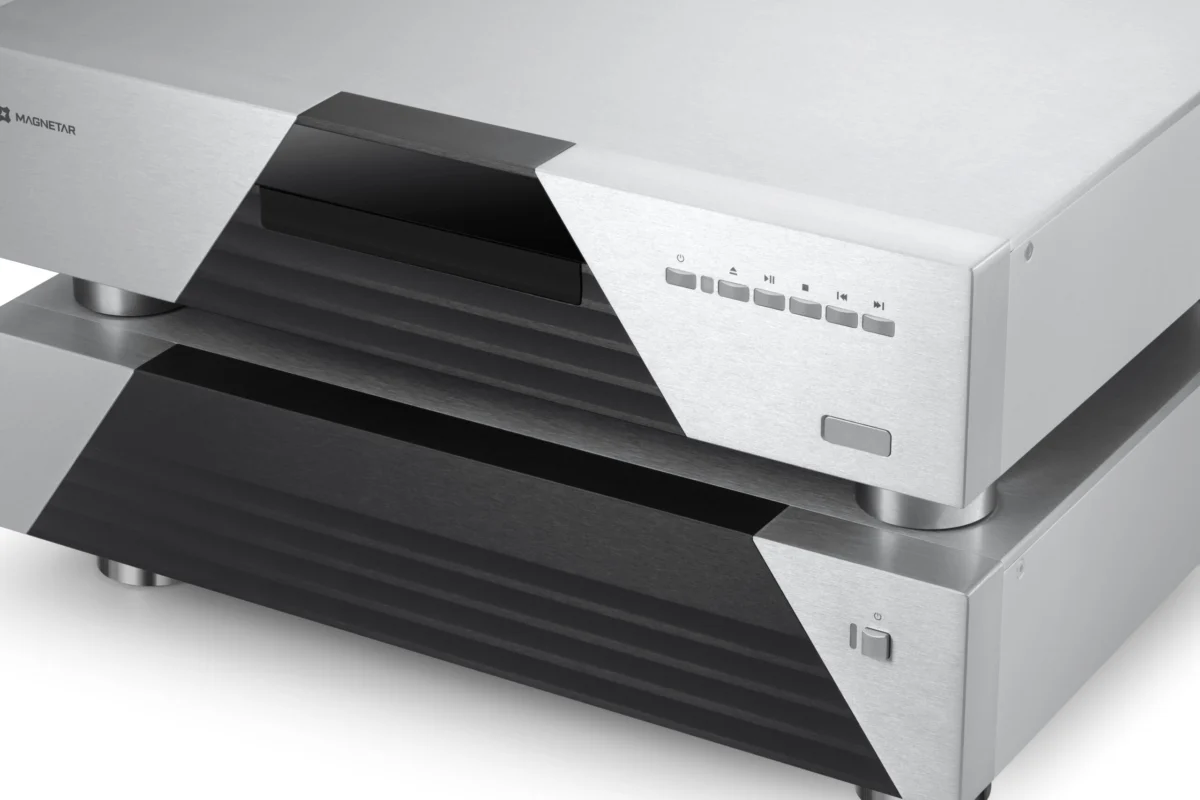
DENVER, CO — CEDIA EXPO 2026 — In an industry increasingly focused on streaming convenience and the dematerialization of media, Magnetar has made a bold, defiant statement in favor of uncompromising quality. At CEDIA Expo 2026, the company officially pulled back the curtain on its new flagship: the ULTIMA. Positioned as the world’s first luxury media transport to utilize a dedicated DC power stage, the ULTIMA is not merely a disc player—it is an engineering manifesto designed for the most demanding audiophile and cinephile environments.
The Main Facts: Defining the Pinnacle of Playback
The ULTIMA represents the culmination of two decades of R&D, building upon the foundations of Magnetar’s highly acclaimed MKII platform. It is a purpose-built, reference-grade transport intended to serve as the absolute "source of truth" in high-end home cinema and dedicated listening rooms.

At its core, the ULTIMA supports a exhaustive list of formats, ensuring that it remains the singular nerve center for any collection:
- Physical Media: 4K UHD Blu-ray, standard Blu-ray, DVD, SACD, and DVD-Audio.
- Digital Audio: CD, DSD/DoP via AES/EBU, and high-resolution network-based file playback.
- Visual Standards: Full support for Dolby Vision and HDR10+.
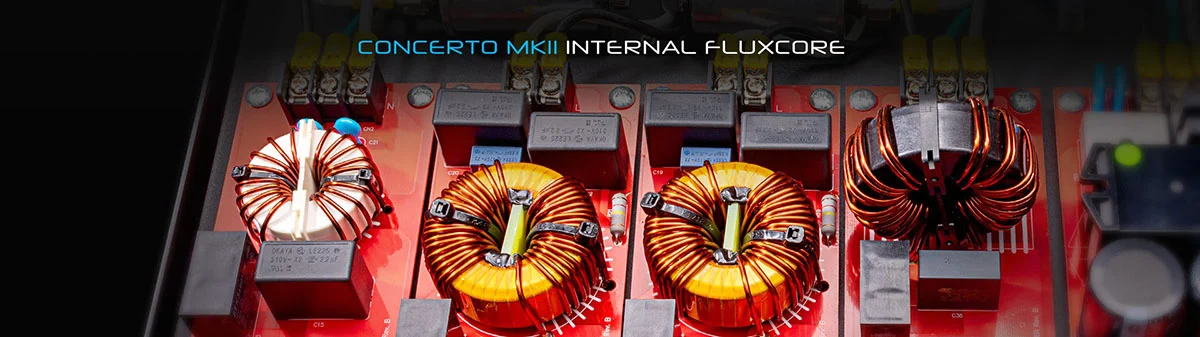
The primary differentiator—and the feature that sets the ULTIMA apart from every other transport on the market—is its power architecture. By moving away from traditional, noise-prone AC-supplied power, the ULTIMA incorporates dedicated BYD lithium-based power stages. This isolation strategy effectively creates an "electrical island," shielding sensitive transport mechanisms, clocking circuits, and signal paths from the fluctuations and electromagnetic interference (EMI) typical of conventional power grids.

Chronology of Engineering: From MKII to ULTIMA
The journey to the ULTIMA began long before its 2026 unveiling. Following the market success of the Magnetar MKII platform, the engineering team at Magnetar began investigating the bottlenecks that limit digital audio and video fidelity.
- 2024: Internal research identifies power-line noise and jitter as the primary culprits in the degradation of digital source integrity.
- Early 2025: Prototyping begins on a "pure transport" concept, stripping away internal DACs to focus entirely on the precision of data extraction and transmission.
- Late 2025: The implementation of the 10 MHz reference master clock system is finalized, creating a unified "time axis" for the player.
- September 2026: Official launch at CEDIA Expo 2026, marking the transition from concept to the first shipping units.
This deliberate, iterative process reflects a philosophy that rejects the rapid-cycle obsolescence of modern consumer electronics in favor of long-term, reference-grade performance.

Supporting Data: The Science of Signal Integrity
The performance of the ULTIMA is not based on marketing hyperbole but on tangible technical advancements. The integration of a 10 MHz reference master clock is a significant departure from standard industry practices. In conventional players, clocks are often derived from multiple sources, leading to micro-timing errors that can manifest as "jitter."
The ULTIMA’s unified master clock ensures that every subsystem—from the disc read mechanism to the digital output stages—operates in perfect synchronization. This results in:

- Stable Data Flow: Predictable timing relationships that minimize errors during the transmission of high-bandwidth 4K video and high-resolution audio.
- Phase Noise Reduction: By isolating the clock and providing clean DC power, Magnetar has significantly lowered the total phase noise floor.
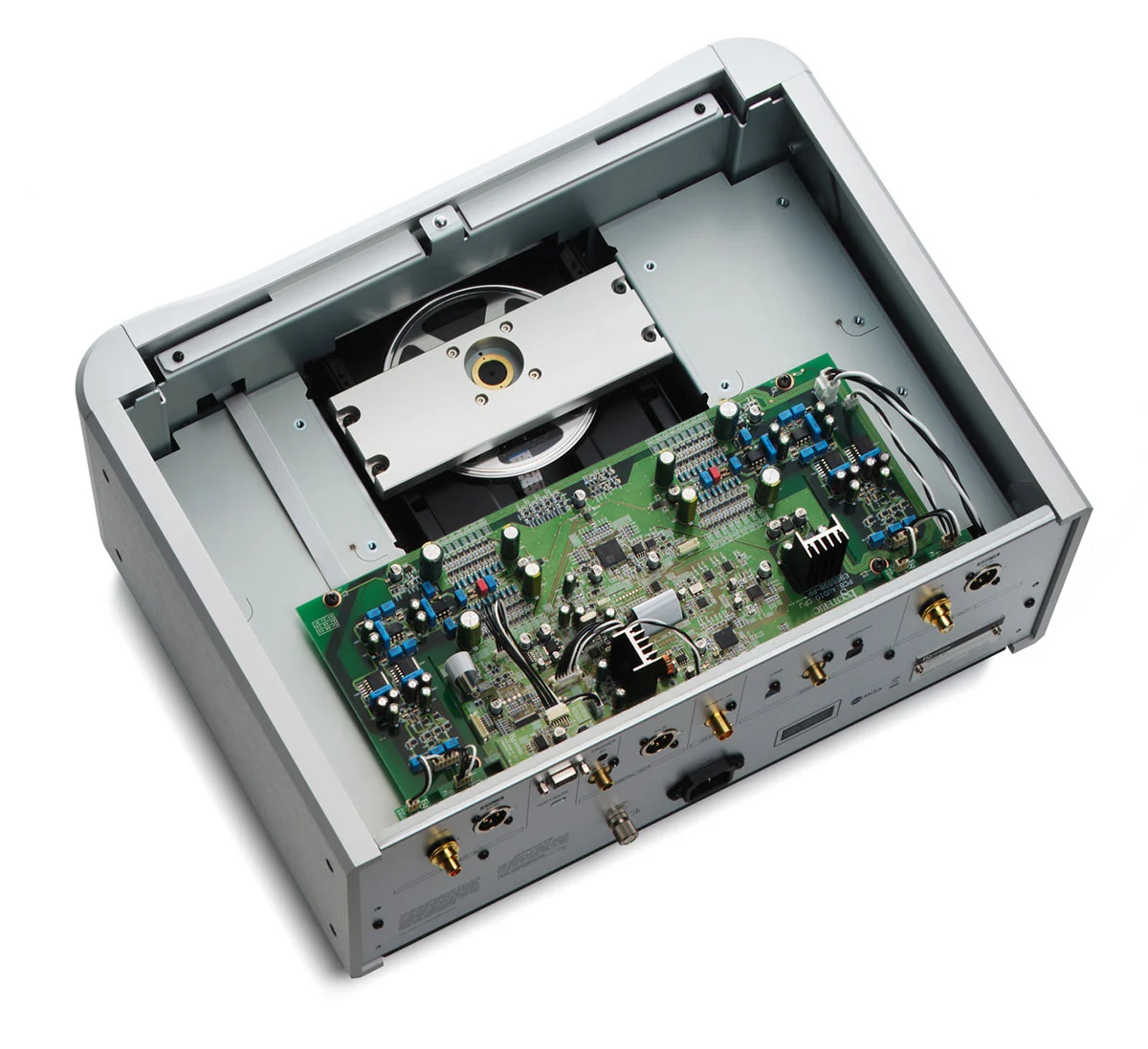
- Mechanical Stability: The chassis is not just a container; it is an engineered vibration-suppression system. Through a combination of mass, internal isolation, and decoupled components, the transport mechanism is protected from both internal resonance and external environmental vibrations.
Furthermore, the implementation of BYD lithium-based power stages means that the player is effectively decoupled from the "dirty" power of the home. This prevents power-line contaminants from injecting jitter into the digital signal, ensuring that what leaves the ULTIMA is a bit-perfect, time-accurate representation of the original source.
Official Responses and Strategic Vision
"With ULTIMA, we set out to answer one question: what does a universal media transport solution look like when every possible limitation is challenged?" stated Rob Jones, President of Magnetar North America.

Jones emphasized that the release of the ULTIMA is a calculated strategic move. While competitors are scaling back on physical media hardware, Magnetar is doubling down. "At a time when manufacturers are turning away from reference-grade physical media playback, Magnetar is doubling down. ULTIMA is our definitive statement piece. It is a purpose-built reference source for those who understand that true reference performance is achieved through relentless attention to detail and uncompromising execution."
This vision positions the ULTIMA not as a mass-market product, but as a "statement piece" for a niche, high-performance segment. By focusing exclusively on transport duties, Magnetar allows the user to pair the ULTIMA with the world’s finest external DACs and video processors, ensuring the player remains relevant even as downstream technology evolves.

Implications for the High-End Market
The release of the ULTIMA has profound implications for the custom installation and high-end audio industries.
The "Universal" Necessity
For years, enthusiasts have had to juggle multiple players: a high-end CD/SACD transport for music, and a separate Blu-ray player for movies. The ULTIMA eliminates this fragmentation. By providing a single, reference-grade source that handles everything from DSD files to 4K UHD discs, it simplifies complex rack systems while simultaneously elevating the quality of the entire chain.

The Shift Toward DC Power
The move toward lithium-based power stages in a home media component is likely to trigger a wider trend. If the ULTIMA proves successful in reducing the noise floor and improving jitter metrics, it is highly probable that other premium manufacturers will attempt to emulate this DC-based architecture. Magnetar has effectively set a new "high-water mark" for what constitutes a reference source.
Longevity and Value
At an MSRP of $12,000, the ULTIMA is a significant investment. However, for the user with a substantial physical media collection, the value proposition lies in the preservation of data. As physical discs become more of a collector’s medium, the demand for hardware that can extract every bit of information from those discs—without the artifacts of interference—increases. The ULTIMA is designed to be a permanent fixture in a high-end system, built with a level of chassis rigidity and component isolation that suggests a lifecycle measured in decades, not years.

Conclusion: A New Standard
The Magnetar ULTIMA is more than the sum of its parts. It is an acknowledgment that in the digital age, the quality of the "source" remains the most important factor in a high-fidelity system. By meticulously controlling power, timing, and mechanical resonance, Magnetar has created a product that allows users to hear and see their media exactly as it was intended by the creators.
For the attendee at CEDIA 2026, or the discerning audiophile looking to upgrade their system, the ULTIMA represents the end of the search for the "perfect transport." It is a testament to what is possible when engineering is liberated from cost-cutting constraints, and it cements Magnetar’s position as a leader in the ultra-premium media playback space.

The ULTIMA is available now through authorized dealers. For those who refuse to compromise on their home entertainment experience, the choice is clear: the future of reference playback has arrived.