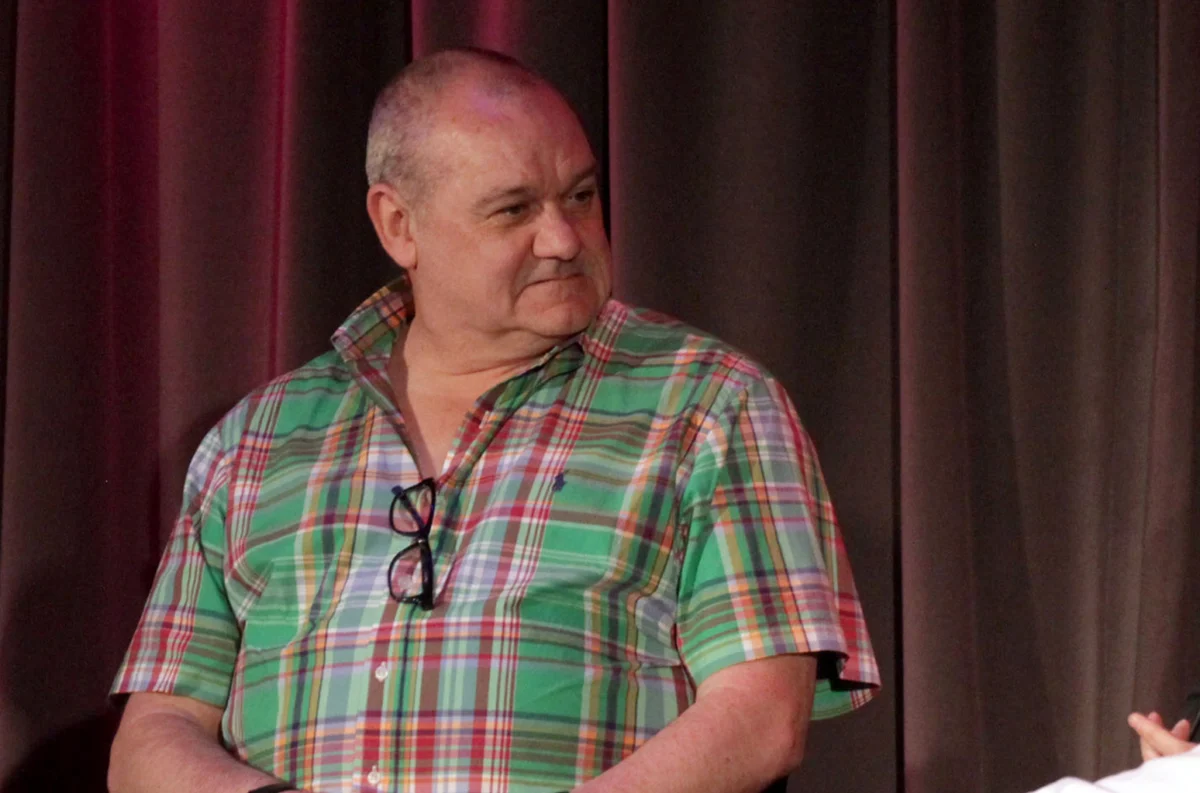
The Australian music industry is mourning the loss of one of its most reliable and soulful voices. Andy Bickers, the New Zealand-born saxophonist whose expressive, muscular playing became the backbone of the Cold Chisel live experience for over three decades, has passed away following a hard-fought battle with cancer. He was 56.
His passing marks the end of an era for one of Australia’s most iconic rock bands. More than just a session musician, Bickers was a fixture of the local touring circuit, a mentor to aspiring players, and a musician’s musician whose versatility saw him collaborate with an expansive list of legendary acts, from Midnight Oil to the Eagles.
The Main Facts: A Life Defined by Rhythm and Reed
Andy Bickers was a master of his craft, possessing an uncanny ability to navigate the visceral energy of hard rock and the nuanced sensibilities of soul and blues. His association with Cold Chisel—often cited as one of the most commercially and culturally significant bands in Australian history—began in the early 2000s, though his roots in the industry went much deeper.
His death was confirmed by Cold Chisel in an official statement released on Friday morning. The band expressed deep sorrow, describing him as a "brother" and an "incredible musician" who was as enjoyable to be around offstage as he was commanding on it.
"Our much-loved sax player of more than 30 years, Andy Bickers, passed away this morning after a hard-fought battle with cancer," the band stated. "His valuable contribution onstage to songs like ‘Rising Sun,’ ‘Saturday Night,’ and ‘My Baby’ will be sorely missed. Our hearts break for his wife Lisa and his son Rudy."
Chronology: From Wellington to the Australian Mainstage
Born in Wellington, New Zealand, Bickers cut his teeth in the competitive and vibrant local rock scene of the 1980s. Like many artists of his generation seeking to test their mettle in a larger market, he eventually crossed the Tasman, relocating to Melbourne before settling in Sydney.
His professional trajectory was marked by a steady rise through the ranks. It was his work with Jimmy Barnes’ touring band that served as his true breakthrough. Barnes, already an Australian rock institution, required a player who could match the intensity of his soul-inflected rock shows. Bickers proved to be that player.
By the early 2000s, Bickers had solidified his status as a permanent fixture in the Cold Chisel touring lineup. While the band’s studio records are legendary, it was their live shows—often described as sonic avalanches—that truly relied on the rhythmic and melodic drive of Bickers’ tenor and baritone saxophone. For over 30 years, he remained the reliable engine room of the band’s live sound, bridging the gap between their 1970s pub-rock roots and their modern-day stadium status.
Supporting Data: An Unparalleled Musical Résumé
To understand the scope of Bickers’ influence, one need only look at the breadth of his collaborators. His career was defined not by genre loyalty, but by a commitment to musical excellence.
- Core Collaborations: Cold Chisel (30+ years), Jimmy Barnes’ solo projects.
- Major Touring/Recording Credits: Midnight Oil, Silverchair, the Eagles, Don Henley, and Diesel.
- Broad Industry Impact: He lent his talents to acts as diverse as You Am I, The Presets, Hoodoo Gurus, Tony Hadley, and the duo Vika and Linda.
This extensive résumé speaks to his reputation as a "consummate musician," a term used by many peers to describe his work ethic. His ability to slot seamlessly into a heavy rock track with Midnight Oil or provide the sophisticated brass layers for a soul-inspired Jimmy Barnes set made him one of the most "quietly ubiquitous" figures in the industry.
One of his final public appearances saw him leading the brass section during a heartfelt tribute to Rob Hirst at the 2026 APRA Awards, a testament to his enduring relevance in the Australian musical landscape.

Official Responses and Peer Tributes
The outpouring of grief from the Australian music community has been profound. Beyond the official statements, individual artists have shared personal anecdotes that paint a picture of a man who was as kind as he was talented.
The Jimmy Barnes Perspective
Frontman Jimmy Barnes, who gave Bickers his initial entry into the upper echelons of the industry, offered a touching, personal tribute. Reflecting on their decades-long friendship, Barnes wrote: "We were friends not only because he was a great player, but he was funny, intelligent, and most importantly, he was a good man. Lots of love to Lisa and Rudy. You will be sadly missed, Andy."
The ICEHOUSE Connection
Iva Davies of the iconic band ICEHOUSE spoke on behalf of his entire team, noting the freshness of the wound. "I am saddened and very sorry to hear the news about the loss of Andy Bickers," Davies stated. "We saw and performed with him only a few weeks ago. Andy was a consummate musician as attested by the great array of people he performed and collaborated with along with the many he mentored and inspired."
Richard Clapton’s Reflection
Perhaps the most poignant tribute came from Richard Clapton, who highlighted the personal impact of Bickers’ absence on the stage. "I have played The State Theatre 16 times and Andy was with us for virtually every one of those concerts," Clapton wrote. "He made ‘Wintertime in Amsterdam’ such a special moment in the show’s history. The song is not going to be quite the same this year."
Implications: The End of an Iconic Sound
The passing of Andy Bickers leaves a tangible void in the Australian music scene. In the context of Cold Chisel, his saxophone was more than just an instrument; it was a character in the narrative of their songs. When a band functions as a tightly knit unit for decades, the loss of one member alters the chemical composition of the group.
For fans, the implications are clear: the live renditions of classics such as "Saturday Night" or "Rising Sun" will inherently shift. Bickers’ signature tone, which often cut through the dense layers of guitar and driving drums, provided a melodic counterpoint that defined the "Chisel sound."
Beyond the band, the loss signifies a moment of reflection for the Australian industry. Bickers represented a breed of touring professional that is becoming increasingly rare—a player who built a career on reliability, technical mastery, and a genuine, infectious love for the road. His influence lives on in the many younger musicians he mentored and the thousands of concertgoers who felt the power of his solos in venues ranging from intimate pubs to grand stadium stages.
A Legacy Beyond the Notes
While the music world focuses on the technical loss of a gifted saxophonist, the personal tributes emphasize a different kind of legacy. He was, as his colleagues noted, a man of character. Whether he was navigating the pressures of a major tour or providing quiet guidance to an up-and-coming session player, Bickers operated with a sense of integrity that earned him the enduring respect of the industry.
As the Australian music community gathers to remember him, the consensus remains consistent: Andy Bickers was a man who played with his heart, led with his talent, and treated his colleagues like family. While the stage may be quieter without him, the resonance of his work—both in the studio and in the hearts of those who knew him—will continue to echo through the halls of Australian rock history for years to come.
His family, specifically his wife Lisa and son Rudy, remain in the thoughts of the nation as they navigate this profound loss. The music may continue, but the rhythm of the Australian rock scene has undeniably changed.