By [Your Name/Journalistic Staff]
July 11, 2026
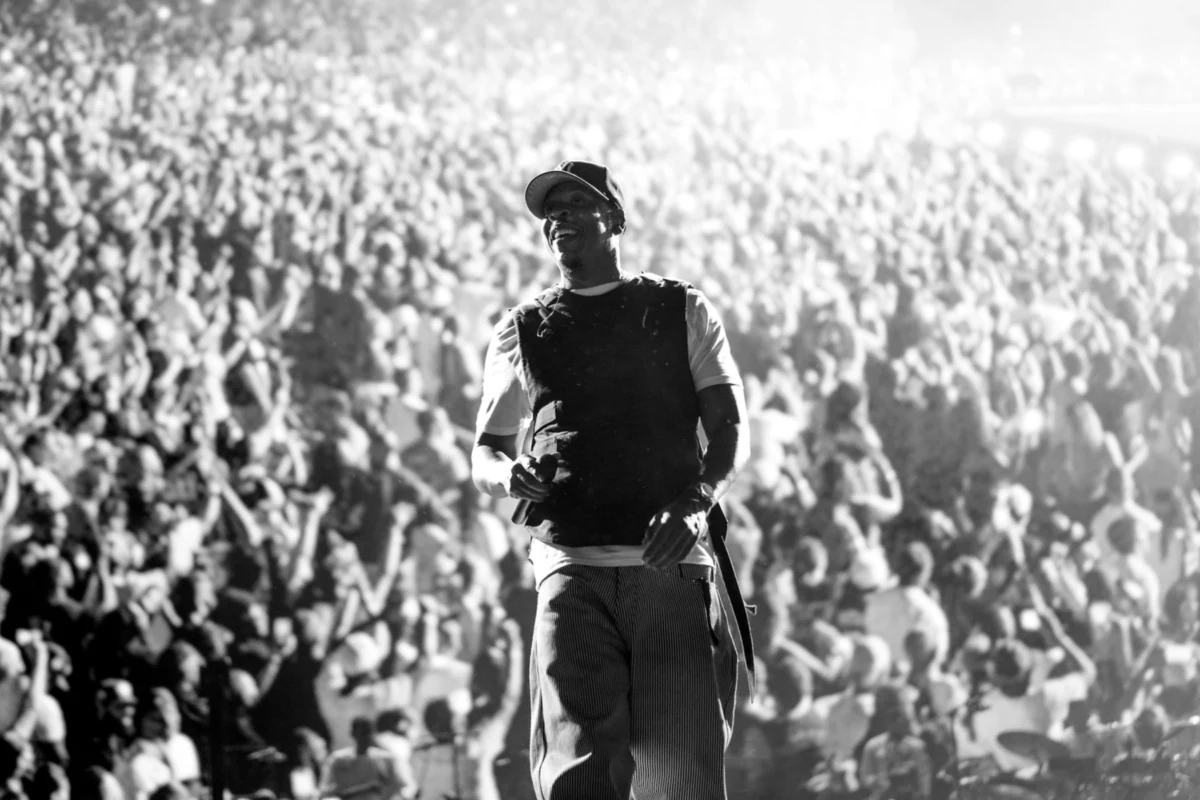
The Bronx air on Friday night, July 10, felt different. It was thick with the humidity of a mid-July New York summer, but the atmosphere inside Yankee Stadium was charged with something far more electric: the weight of history. As Jay-Z stepped onto the stage to kick off his monumental three-night residency, he wasn’t just performing a concert; he was officiating a thirty-year anniversary of the record that transformed a Brooklyn hustler into a cultural architect.
Reasonable Doubt, the 1996 debut album that served as the foundation for an empire, has officially reached its third decade. To commemorate the milestone, Shawn "Jay-Z" Carter delivered a masterclass performance that served as a love letter to the "day one" fans who recognized his genius long before the global charts caught up.
The Genesis of an Empire: Main Facts
The significance of this residency cannot be overstated. When Reasonable Doubt was first released, the landscape of hip-hop was dominated by the coastal tensions of the mid-90s. Jay-Z, operating as an independent entity, released the album under Roc-A-Fella Records—a move that proved to be a masterstroke in artist ownership and long-term brand equity.
The opening night of the residency was a seamless blend of nostalgia and contemporary spectacle. Jay-Z navigated his catalog with the surgical precision of a veteran, moving from the gritty, street-level narratives of his debut to the stadium-filling anthems that defined his later career. The stage design was minimalist yet imposing, featuring visual cues that harkened back to the aesthetic of his early career, including nods to the classic black-and-white photography of his formative years.
The most poignant aspect of the evening was the guest list. Eschewing the trend of cramming stages with random collaborators, Jay-Z kept his circle tight, bringing out figures who hold structural importance to his narrative. The appearance of Nas—a former rival turned collaborator and brother-in-arms—was a seismic moment for hip-hop purists, signaling a bridge between two of the greatest lyricists to ever emerge from New York City.
Chronology of a Career: From Street Corner to Stadium
To understand why this residency matters, one must look at the trajectory of Reasonable Doubt.
- 1996: The release of Reasonable Doubt. Initial commercial reception was modest, with only 43,000 copies sold in its debut week. At the time, it was an "underground" classic—a record for the street-savvy, the dreamers, and the hustlers.
- 1998: Jay-Z drops Vol. 2… Hard Knock Life. The massive success of this project finally forces the mainstream to look back at his debut. The lyrics, "I gave you prophecy on my first joint, and ya’ll lamed out / Didn’t really appreciate it ’til the second one came out," become an iconic rebuke to those who slept on his talent.
- 2000s–2010s: Jay-Z evolves into a global mogul, diversifying his interests into fashion, spirits, and sports management. Reasonable Doubt remains the "North Star" of his catalog.
- 2026: The 30th Anniversary Residency. Jay-Z returns to his roots, filling one of the most iconic venues in the world to perform the album in its entirety, interspersed with the hits that cemented his status as a billionaire icon.
Supporting Data: The Economics of Influence
While the artistic merit of Reasonable Doubt is undisputed, its economic legacy is equally vital. The album was the prototype for the "rapper-owned label." By retaining his masters and leveraging his own resources, Jay-Z provided a blueprint for the modern independent artist.
According to industry analysts, the "Roc-A-Fella effect" influenced a generation of artists to seek ownership stakes in their creative output. During Friday’s show, the energy of the crowd reflected a deep-seated appreciation for this independence. The demographic was a fascinating mix: older fans who remember buying the CD at a record store in 1996, and younger, Gen-Z listeners who discovered the album through digital streaming archives.
The stadium was packed to capacity, with secondary market tickets for the remaining two nights currently trending at record highs. This suggests that the cultural cachet of Jay-Z has not depreciated; rather, it has matured into a form of "legacy wealth" that few artists in any genre achieve.

The Family Dynamic: Official Appearances
The night reached a fever pitch when Beyoncé took the stage. The power couple’s synergy remains the gold standard for celebrity partnerships, but the addition of their daughter, Blue Ivy, provided a touch of generational continuity that was not lost on the crowd.
Watching Blue Ivy share the stage with her father wasn’t just a "celebrity moment"—it was a symbolic passing of the torch. For a man who has built his entire career on the concept of "generational wealth" and legacy, the image of his family standing alongside him at the peak of his career was the most effective closing argument of the night.
Implications: The Future of the "Legacy Residency"
What does this three-night run at Yankee Stadium mean for the future of hip-hop performance?
Historically, stadium tours have been the domain of rock icons and pop stars. By anchoring a massive, high-production residency on the back of a 30-year-old rap album, Jay-Z has signaled that hip-hop has reached a level of historical permanence comparable to the classic rock era.
1. The Institutionalization of Rap
We are entering an era where rap albums are being treated as classical works. Expect to see more "anniversary tours" where artists perform debut albums in their entirety, shifting the focus from "promoting new product" to "curating a legacy."
2. The Power of the "Day One"
The marketing for this residency was notably focused on authenticity. By specifically framing the show as a tribute for "day ones," Jay-Z fostered an environment of exclusivity that drove engagement. In an age of algorithm-driven pop, the "fan-first" model remains the most potent tool for long-term retention.
3. The Blueprint for Ownership
As independent distribution becomes easier, the lesson of Reasonable Doubt—that owning your content is the ultimate form of power—remains more relevant than ever. The residency serves as a victory lap not just for the music, but for the business model that allowed the music to exist without compromise.
Conclusion: A Master of Ceremonies at Work
As the final chords of "Can I Live" echoed through the rafters of Yankee Stadium, it was clear that Jay-Z had achieved something rare: he had successfully bridged the gap between his past as a hungry, ambitious newcomer and his present as a titan of industry.
The show was a testament to the fact that when a project is built on substance—on lyrical wizardry, authentic storytelling, and unwavering vision—it does not age. Instead, it becomes a permanent fixture in the cultural landscape. For those in attendance, Friday night wasn’t just a concert. It was a history lesson delivered by the man who wrote the book.
As the residency continues through the weekend, the message is clear: The prophecy Jay-Z spoke of thirty years ago has been fulfilled, and he is still, without question, in his prime.