Main Facts: A New Documentary Voice
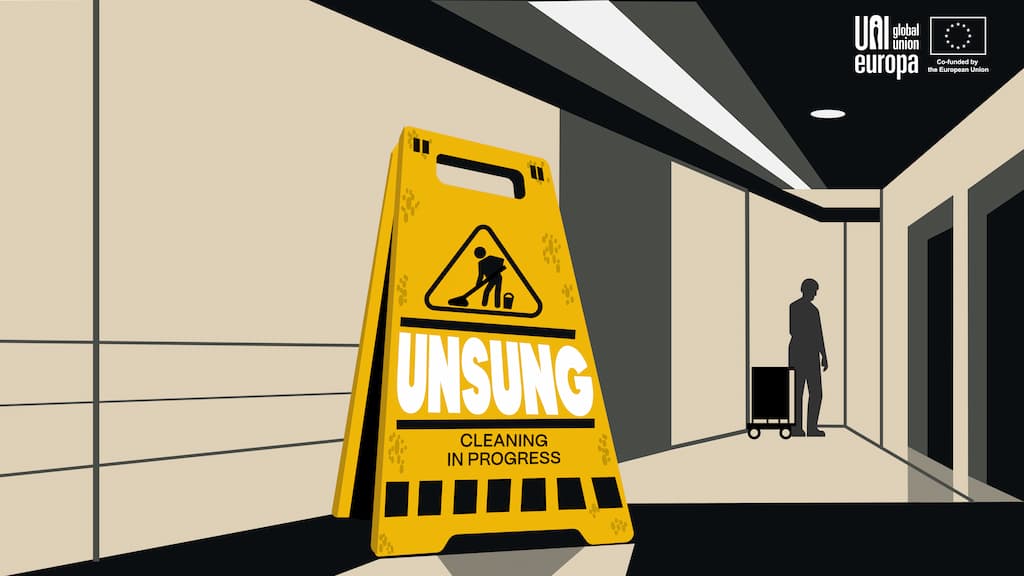
In the bustling corridors of the European Parliament and the sterile, high-pressure environment of hospital wards, a silent workforce ensures the world keeps turning. They are the cleaners—the invisible backbone of society. Today, a poignant new documentary podcast titled Unsung: Cleaners has launched to amplify the human stories behind this essential labor.
Produced by UNI Europa and co-funded by the European Commission, the four-part series serves as a raw, unfiltered exploration of the industry. It moves beyond the stereotypical image of a mop and bucket to reveal the complex socio-economic realities of millions of workers across the continent. By bringing together firsthand accounts from individuals like Hayat Elhore, a veteran cleaner at the European Parliament in Brussels, and Lisa Stenson, an Irish hospital worker who served on the front lines of the COVID-19 pandemic, the podcast forces a long-overdue confrontation with the systemic challenges facing the sector.
The initiative arrives at a pivotal moment, as the European Union begins a comprehensive overhaul of its public procurement rules. These regulations govern an astonishing €2,000 billion in annual spending, dictating not just the quality of public services, but the very livelihood and working conditions of the cleaners who maintain them.
Chronology of a Disregarded Profession
To understand the significance of Unsung: Cleaners, one must look at the historical trajectory of the cleaning sector in Europe.
- The Post-War Era: Historically, cleaning was localized and often performed by community members. However, as the late 20th century saw the privatization of public services, the "outsourcing model" took hold. Governments began contracting private companies to handle maintenance, sanitation, and waste management.
- The Rise of Outsourcing (1990s–2010s): This shift prioritized the lowest bidder. As public procurement contracts became increasingly competitive, the pressure to cut costs led to the degradation of wages, benefits, and job security. The human cost of "efficiency" was largely borne by the workforce.
- The Pandemic Awakening (2020): COVID-19 briefly thrust cleaners into the spotlight as "essential workers." For a short period, the public acknowledged that without these individuals, hospitals, transit systems, and schools would collapse. Yet, as the pandemic receded, the systemic invisibility returned.
- The Regulatory Turning Point (2025–2026): The European Commission began reviewing the directives governing public procurement, signaling a potential shift toward "socially responsible public procurement." The launch of Unsung: Cleaners is timed specifically to influence the discourse surrounding these new policy frameworks.
Supporting Data: The Demographics of Disadvantage
The narrative within the podcast is backed by stark labor statistics. Across Europe, the cleaning sector is characterized by a high concentration of migrant workers. This demographic trend is not a result of market forces alone, but rather a reflection of systemic failures.
The "Migrant Trap"
Data suggests that a staggering proportion of cleaners in major European economies have migrant backgrounds. This is driven by several compounding factors:

- Labor Market Barriers: Newly arrived migrants often face restrictive work permits and difficulty in having foreign credentials recognized. This forces highly skilled professionals into low-skilled, low-wage roles.
- The Qualification Gap: The "brain waste" phenomenon—where individuals with degrees in medicine, engineering, or teaching end up cleaning floors because their degrees are not "recognized" by host countries—is a recurring theme in the podcast.
- Fragmented Employment: The reliance on short-term, zero-hour, or sub-contracted labor prevents these workers from accessing the standard protections enjoyed by the broader European workforce.
The Economic Scale
With €2,000 billion in annual public procurement spending, even a small percentage shift toward fair-wage requirements in contracts could improve the lives of millions. The podcast argues that current "lowest-price-wins" tender systems act as a race to the bottom, effectively subsidizing corporate profits through the suppression of worker rights.
Official Responses and Stakeholder Perspectives
The production of Unsung: Cleaners by UNI Europa highlights the organization’s broader campaign for "fair pay and fair play."

The Union Perspective
UNI Europa, the European services workers union, maintains that the current procurement system is fundamentally broken. By prioritizing cost-cutting, the EU is inadvertently incentivizing the exploitation of its most vulnerable workers. The organization is calling for mandatory social clauses in all public contracts—clauses that would require companies to adhere to collective bargaining agreements and living wage standards as a condition of winning government business.
The Policy Perspective
European Commission officials have noted that the ongoing review of procurement rules is intended to balance economic efficiency with the "European Pillar of Social Rights." While industry lobbyists argue that stringent regulations could lead to a spike in public spending, the counter-argument—as presented by Unsung—is that the current system is merely shifting costs from the state to the individual worker, resulting in long-term social costs that the state eventually pays in the form of welfare and health support.

Implications: Can a Podcast Change Policy?
The release of Unsung: Cleaners is an experiment in "advocacy-led media." By focusing on the emotional, human-centric narratives of cleaners, the creators are attempting to shift the debate from dry economic statistics to the moral obligations of the state.
The Humanization of Data
By highlighting the personal struggles of workers like Lisa Stenson, the podcast provides a face for the "public procurement" debate. Policy-makers are far more likely to consider changing procurement rules when they are presented with the lived experience of a cleaner working in a COVID-19 ward, rather than just a balance sheet.

The Call to Action
The implications for the European labor market are significant. If the campaign succeeds, we could see:
- Mandatory Social Clauses: Requiring contractors to prove they provide fair working conditions to be eligible for public tenders.
- Recognition of Prior Learning: Policy initiatives designed to bridge the gap for migrants and help them transition out of underpaid, "invisible" labor.
- Increased Collective Bargaining: A strengthening of the voice of the workforce, allowing them to negotiate directly for better conditions rather than relying on the benevolence of private contractors.
Conclusion
Unsung: Cleaners serves as more than just a podcast; it is a critical intervention in the political economy of the European Union. As the continent grapples with the challenges of labor shortages, migration, and economic inequality, the status of those who clean our public spaces is a litmus test for the values of European society.

The question remains: will the policymakers listen? By choosing to tell these stories, UNI Europa has ensured that the "invisible" workers of Europe can no longer be ignored. The series is currently available on all major podcast platforms, inviting listeners to rethink the value of the hands that keep our society clean, safe, and functional.
Additional Industry Updates: The Broader Podcast Landscape
While Unsung tackles labor rights, the wider podcast ecosystem continues to diversify.

- Tech & Security: Security Now continues to be a go-to for professionals, with the latest episodes diving into the nuances of "paste protect" and cybercrime prevention.
- Pet Advocacy: Senior Pet Talk has emerged as a new, highly specialized resource, offering a "whole-medicine" guide for owners navigating the complexities of aging animals.
- Pop Culture Analysis: The Five Star Weekend Official Podcast highlights the growing trend of companion podcasts, where authors and creators extend the life of their intellectual property through deep-dive analysis and behind-the-scenes access.
- Political Discourse: As the 15th anniversary of Occupy Wall Street approaches, Future Hindsight’s new series, Occupy! An Unfinished Uprising, is reigniting conversations about the power of collective action, providing a thematic link between historical activism and modern labor movements like the one featured in Unsung.
As of July 2026, The Daily remains the top performer on Apple Podcasts in the US, while The Joe Rogan Experience continues to dominate the Spotify charts, reflecting the ongoing bifurcation between legacy media-led audio and independent creator dominance. Whether through investigative labor reporting or niche lifestyle advice, the medium of podcasting remains the most effective tool for deep-dive storytelling in the digital age.