Introduction: The Enduring Legacy of Japanese Craftsmanship
"Made in Japan." For generations of audiophiles, this phrase was not merely a country-of-origin label; it was a promise. It conjured images of bulletproof reliability, innovative engineering, and a relentless pursuit of sonic perfection. While the global hi-fi landscape has shifted dramatically in the era of mass-market consumer electronics and offshore manufacturing, the question remains: does the "Made in Japan" stamp still carry the same weight and spirit it did during the golden age of analog?
Following a recent press tour of the legendary Kawasaki and Shirakawa facilities—the beating hearts of Denon and Marantz—the answer is a resounding "yes." While the sheer volume of products manufactured in Japan may have changed, the fanatical commitment to musical satisfaction and the preservation of brand-specific "sound signatures" have never been stronger.
Main Facts: Inside the Bastions of High-End Audio
The recent excursion, which took place in the wake of the AXPONA (Audio Expo North America) show, provided an unprecedented look at how two of the industry’s most storied brands navigate the tension between heritage and modern technological advancement.
At the core of the visit were the Kawasaki and Shirakawa Audio Works facilities. These are not merely assembly plants; they are centers of research, development, and, most importantly, "sound tuning." Unlike mass-market electronics that are designed purely by committee, the higher-end components from Denon and Marantz are shepherded by "Sound Masters." These individuals are the custodians of the brands’ sonic philosophies, ensuring that a Marantz amplifier retains its signature warmth and spatial accuracy, while a Denon receiver maintains its reputation for punchy, dynamic authority.

The trip underscored a fundamental truth of the industry: in a world of standardized components, it is the human element—the ears of the engineers—that ultimately dictates the quality of the final product.
Chronology: A Journey Through Time and Tech
The history of these facilities is inextricably linked to the evolution of the home audio industry.
- The Post-War Rise: Both Denon and Marantz emerged as pillars of the industry during Japan’s mid-century manufacturing boom. Denon (Nippon Columbia) traces its roots to the early 20th century, while Marantz, though American in origin, became profoundly Japanese in its manufacturing ethos after its acquisition by Denon’s parent company, Masimo Consumer (formerly Sound United).
- The 2024 Press Junket: Following the conclusion of AXPONA, a select group of journalists was invited to Japan to witness the synergy between historical expertise and modern production methods.
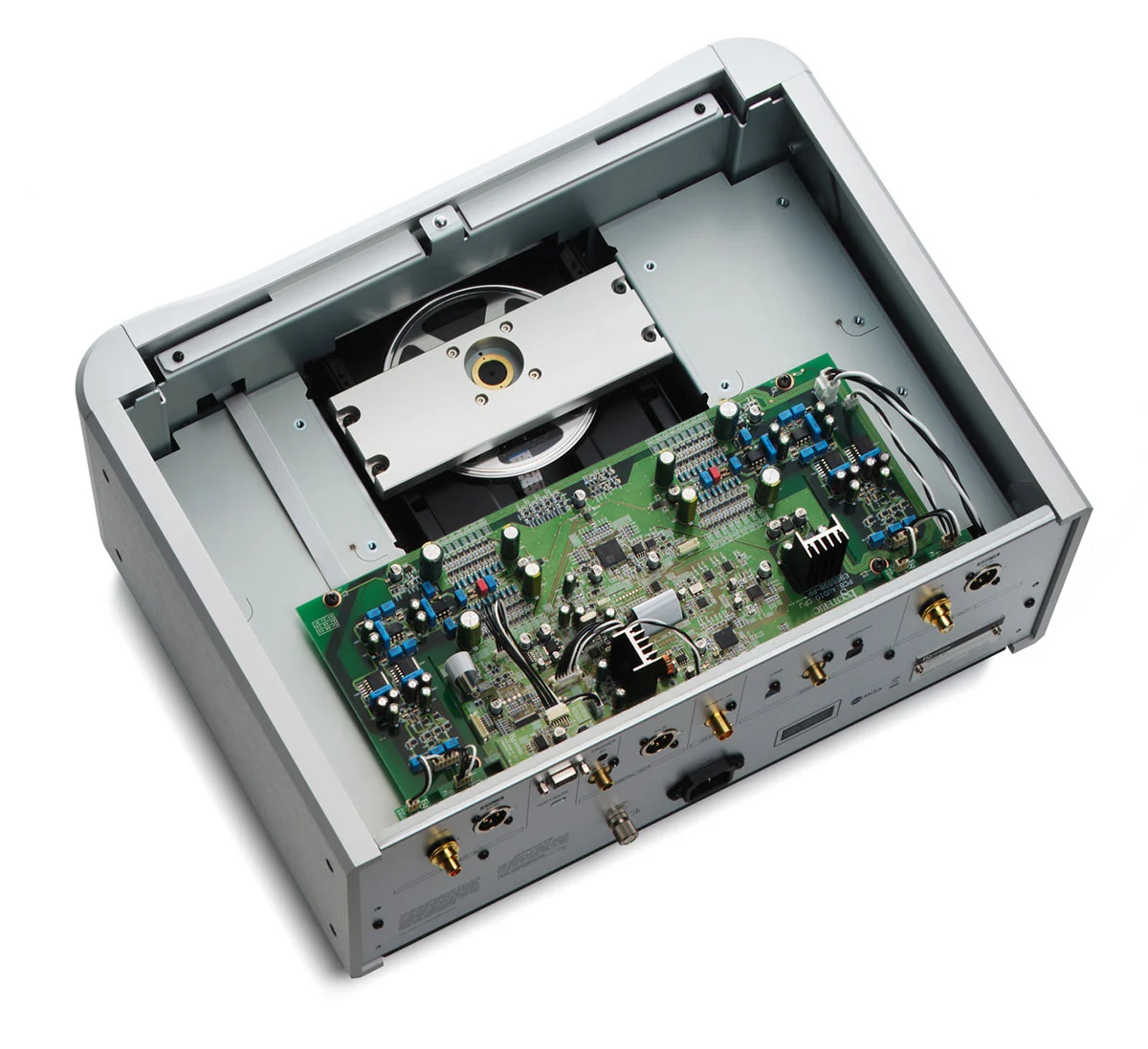
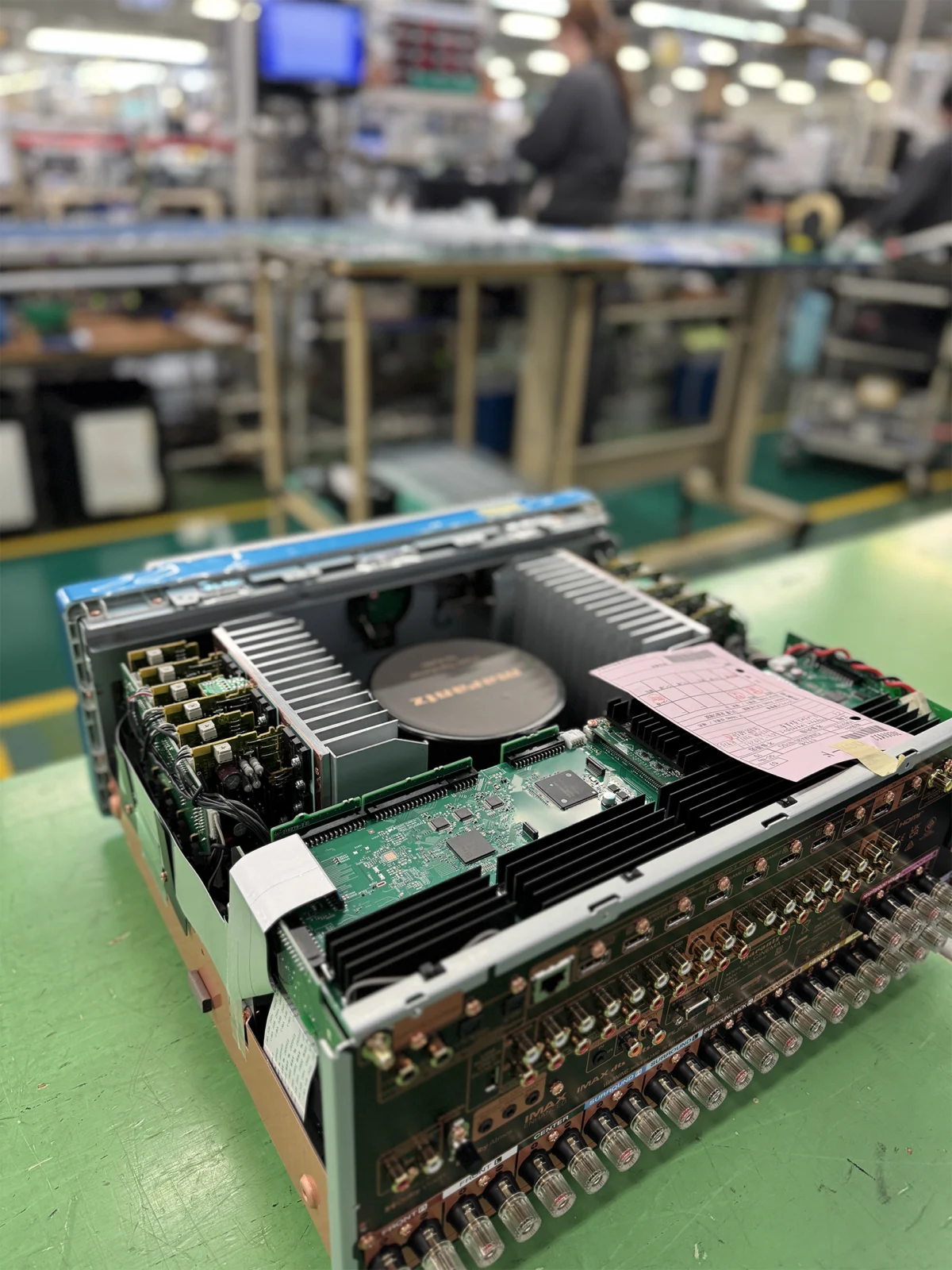
- Facility Tours: The visit included a comprehensive walkthrough of the manufacturing floors. Visitors observed the intricate soldering processes, the rigorous testing protocols, and the final "listening rooms" where every flagship unit is vetted by an expert technician before being crated for global distribution.
- Ongoing Innovation: The tour highlighted how Shirakawa is integrating modern digital processing with traditional analog circuit design, a balance that remains the "holy grail" for high-end audio manufacturers.
Supporting Data: The Anatomy of Quality
What does it actually mean to build a high-end audio component in Japan in 2026? It involves a level of precision that is often invisible to the end user.
The Shirakawa Standard
The Shirakawa facility serves as the premier manufacturing site for flagship products. The "Made in Japan" label here is backed by:

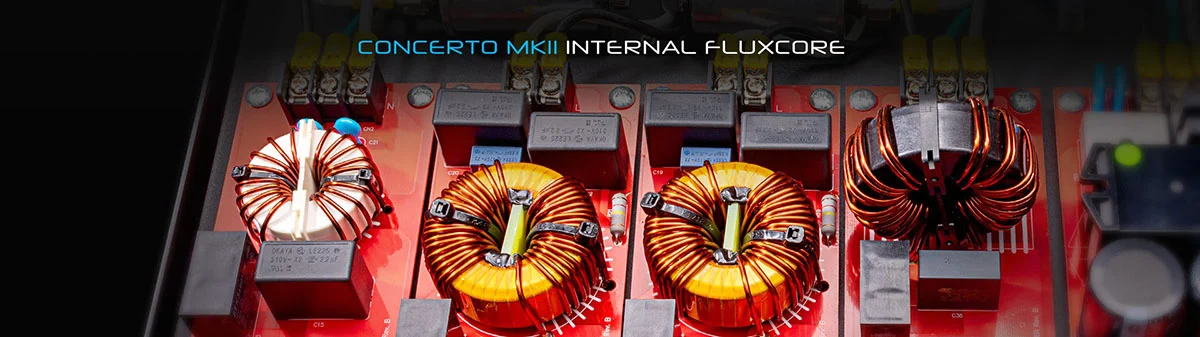
- Component Sourcing: Unlike competitors who rely on generic, off-the-shelf components, these facilities often utilize proprietary capacitors, transformers, and circuit boards designed specifically for the sonic profile of the unit.
- The "Sound Master" Validation: Every high-end unit undergoes a listening test. This is not a frequency sweep performed by a computer; it is a human-led calibration where the unit is auditioned against a "reference" version to ensure that no manufacturing variance has colored the sound.
- Clean Room Assembly: Precision assembly occurs in climate-controlled, vibration-dampened environments to ensure that microscopic errors in soldering or component placement do not manifest as audible distortion years down the line.
Official Perspectives: The Philosophy of the Sound Masters
During the tour, the engineering teams emphasized that their goal is not just to produce hardware, but to reproduce the "intent of the artist."
"We are not just building circuits," noted one lead engineer during a roundtable session. "We are building an experience. A Marantz component should feel like a musical instrument. The ‘Made in Japan’ badge is our commitment to that feeling."
The Sound Masters explained that their process is iterative. They spend months testing different combinations of resistors and capacitors. They argue that if a product doesn’t sound "right" in the listening room, the specifications on the data sheet are irrelevant. This philosophy is a direct rebuke to the "good enough" culture that permeates much of modern consumer electronics. By keeping the manufacturing in-house, these brands maintain a level of quality control that would be impossible to replicate in an outsourced facility.
Implications: The Future of Premium Audio
The implications of maintaining such high-level manufacturing in Japan are profound for the broader audio market.

The Sustainability of Excellence
By keeping the manufacturing of their top-tier gear in Japan, Denon and Marantz are essentially insulating themselves from the quality fluctuations often associated with the global supply chain. While this naturally increases the price point, it creates a "halo effect" for the brand. When a consumer buys a mid-range Denon receiver, they do so with the confidence that the engineering DNA of that product was developed by the same minds who built the flagship Japanese-made units.
The "Analog" Revival in a Digital World
There is a growing trend among younger audiophiles to return to "real" equipment—hardware that is tactile, repairable, and built to last. The Japanese commitment to long-term reliability aligns perfectly with this movement. As the industry moves toward digital streaming and wireless connectivity, the physical construction of an amplifier (the power supply, the shielding, the chassis rigidity) remains the primary differentiator between "consumer audio" and "high-fidelity."
Global Competition
Japan faces stiff competition from high-end manufacturers in Germany, the UK, and even the United States. However, the Japanese advantage remains the sheer scale of its institutional knowledge. The ability to coordinate complex, high-precision manufacturing while maintaining a boutique-level focus on sound quality is a skill set that takes decades to cultivate.
Conclusion: A Living Legacy
Visiting the Shirakawa Audio Works is akin to visiting a museum that is still actively creating history. The racks of components, the specialized tools, and the quiet, focused energy of the workers demonstrate that the "Made in Japan" legacy is not a relic of the past.

It is a living, breathing commitment to audio excellence. For as long as there are enthusiasts who demand that their music be reproduced with the same passion with which it was recorded, there will be a place for this level of craftsmanship. The Japanese manufacturers are not just surviving in the modern hi-fi market—they are setting the pace, reminding us that in the pursuit of sonic perfection, there are no shortcuts.
As we look toward the future of home theater and high-end audio, the lessons from Kawasaki and Shirakawa serve as a vital reminder: technology changes, but the need for quality, passion, and human intuition in audio design is timeless.