May 12, 2026 – Over four decades after its initial release, Van Halen’s fourth studio album, “Diver Down,” continues to spark debate and critical reappraisal. Often characterized as the band’s “wackiest” or most experimental effort, this collection of mostly cover songs, released on May 4, 1982, was initially met with a mixed reception by fans and critics alike. Yet, as time has revealed, “Diver Down” is far more than just an oddity in the Van Halen discography. It stands as a testament to the band’s evolving creative spirit, a fascinating snapshot of their musical explorations, and, in its most recent high-fidelity vinyl pressings, an auditory revelation that continues to impress audiophiles.
While Van Halen’s early success was undeniably propelled by their electrifying rendition of The Kinks’ "You Really Got Me," "Diver Down" took this penchant for cover versions to a new level, incorporating familiar tunes like "Pretty Woman" and venturing into more unexpected territory with tracks such as "Happy Trails." This departure from their established sound, which had previously relied heavily on original material, left some long-time devotees questioning the band’s direction. However, for those who embraced the album’s adventurous spirit, "Diver Down" has revealed itself to be a compelling and, in many ways, prescient work. This re-examination, spurred by the release of a meticulously crafted Mobile Fidelity Sound Lab (MoFi) ONE-STEP vinyl edition, offers a fresh perspective on an album that, despite its unconventional nature, continues to resonate with enduring artistic merit.
The Genesis of "Diver Down": A Band at a Crossroads
Released amidst the burgeoning glam metal scene and the ongoing evolution of hard rock, "Diver Down" emerged at a pivotal moment for Van Halen. Following the commercial success of "Fair Warning" (1981), the band found themselves in a period of creative flux. The decision to heavily feature cover songs was, in hindsight, a bold move. It allowed the band to explore different musical landscapes while simultaneously injecting their signature high-octane energy and virtuosic musicianship into familiar material.
The album’s tracklist is a fascinating mosaic of influences. Alongside the aforementioned "Pretty Woman" (a Roy Orbison classic) and "Happy Trails" (a Roy Rogers cowboy standard), the album features interpretations of songs by artists as diverse as Martha and the Vandellas ("Dancing in the Street"), and Chuck Berry ("Intruder"). This eclectic selection, while perhaps jarring to some at the time, showcased the band’s broad musical palate and their willingness to push creative boundaries. It was a deliberate choice to move beyond the confines of their established sound and experiment with arrangements and vocal deliveries that differed from their earlier work.
The album’s title, "Diver Down," itself hints at a sense of submerged exploration, of delving into uncharted waters. This metaphor perfectly encapsulates the band’s approach to the album, as they dove deep into a pool of musical influences, reinterpreting them through their unique lens. While the initial reception might have been divided, the passage of time has allowed for a more nuanced appreciation of the artistic risks taken on "Diver Down." It’s an album that rewards repeated listens, revealing new layers of ingenuity and playful exploration with each engagement.
A Sonic Journey: From Original Pressing to Audiophile Revelation
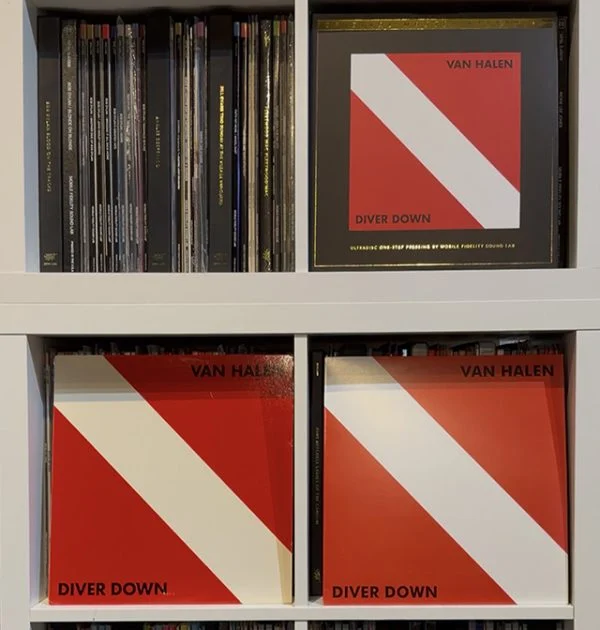
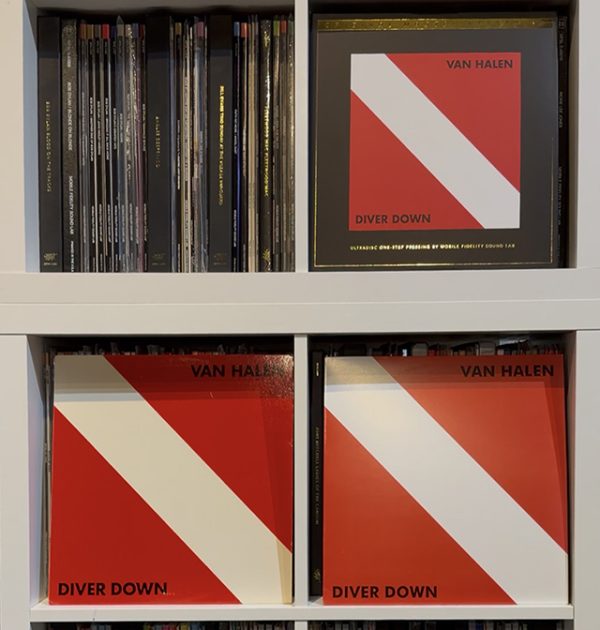
The evolution of "Diver Down" through different pressings offers a compelling narrative for audiophiles and music historians alike. The author’s personal journey, from purchasing the original pressing on release day to comparing it with the later Chris Bellman remaster and the current MoFi ONE-Step, highlights the significant sonic improvements that have been achieved over the years.
The Original Pressing: A Compressed Soundscape
The original vinyl pressing of "Diver Down," like many records from that era, suffered from inherent limitations in recording and mastering technology. The author notes that it was “compressed, with a truncated bottom end.” This characteristic sound, while typical of many original Van Halen releases, often masked the full dynamic range and depth of the recordings. The question arises: was this a deliberate artistic choice, perhaps a subtle nod to the prevailing radio-friendly sound of the time, or a technical oversight? The author humorously speculates about “passive aggressiveness towards the affable Michael Anthony” or simply a desire for better radio play. Regardless of the reason, this original sonic presentation, while holding nostalgic value, undoubtedly obscured some of the album’s finer sonic details.
The Chris Bellman Remaster: A Significant Step Forward
The Chris Bellman remaster of "Diver Down" represented a substantial improvement over the original. Bellman, a respected mastering engineer known for his work on numerous classic rock albums, managed to “bring back a lot of what’s been lost.” This remaster provided a clearer and more open sound, with a noticeable enhancement of the lower frequencies. It was a “major step in the right direction,” restoring a significant portion of the album’s intended sonic fidelity and demonstrating that there was “more lurking in that master” waiting to be unearthed. This version offered listeners a more robust and engaging experience, hinting at the true potential of the recordings.
The MoFi ONE-Step: The Pinnacle of Vinyl Reproduction
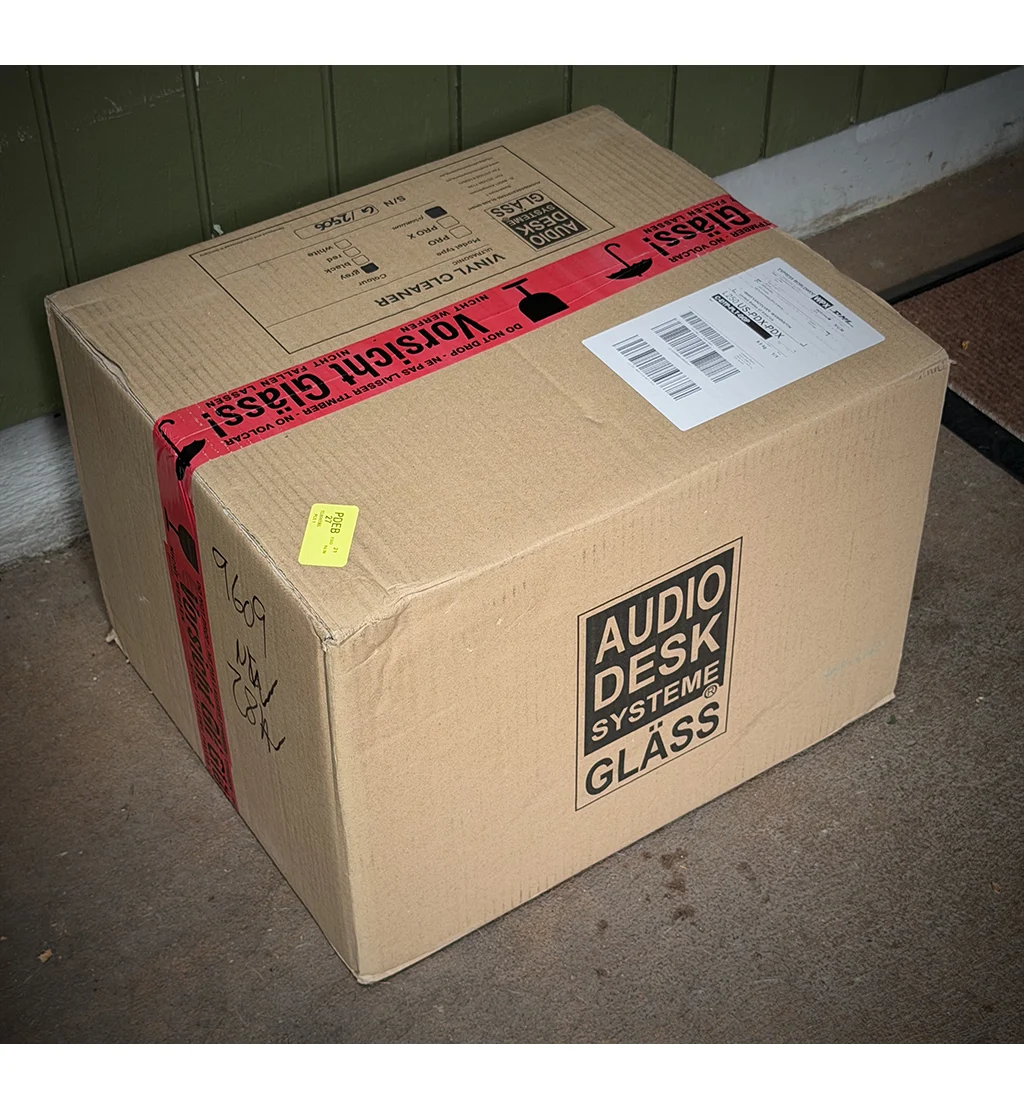
The release of the Mobile Fidelity Sound Lab (MoFi) ONE-STEP version of "Diver Down" has, for many, elevated the album to a new level of sonic appreciation. The MoFi ONE-Step process is renowned for its meticulous approach to vinyl mastering, utilizing a unique one-step plating technique that significantly reduces noise and preserves the integrity of the master tape. The results are, as the author attests, nothing short of astonishing.
The difference is most vividly illustrated in the track "Big Bad Bill (Is Sweet William Now)." The MoFi version “rocks harder in every way,” with the “lost bottom end restored to perfection.” This restoration allows the powerful bass lines and the driving rhythm section to truly shine, providing a visceral and immersive listening experience. However, the true revelation lies in the “smoothness of the tone in Van Halen senior’s clarinet.” Eddie Van Halen’s father, Jan Van Halen, a skilled clarinetist, contributes a distinctive solo on this track. In the MoFi pressing, his performance is rendered with an incredible richness and clarity, revealing a level of nuance and musicality that was previously obscured. The subtle breathiness, the warmth of the wood, and the delicate phrasing are all brought to the fore, showcasing a masterful performance in exquisite detail.
This particular track, as the author points out, becomes a showcase for the superiority of vinyl in this instance. While acknowledging the quality of the MoFi SACD (Super Audio CD) version, the author concludes that “this is one of those instances where the magic of vinyl rules the day.” The tactile experience of playing a record, coupled with the unparalleled dynamic range and natural warmth that high-quality vinyl can deliver, creates an immersive and deeply satisfying auditory encounter. The MoFi ONE-Step of "Diver Down" is not merely a re-release; it is a sonic revelation that allows listeners to experience this album with a clarity and depth that was previously unimaginable.
The "Diver Down" Phenomenon: A Legacy of Playfulness and Prowess
"Diver Down" stands as a unique artifact in Van Halen’s illustrious career. While their earlier albums cemented their status as hard rock titans, "Diver Down" showcased a more playful and experimental side of the band. The decision to lean heavily on covers was, in retrospect, a masterstroke that allowed them to inject their signature sound into a diverse range of musical styles.
The album’s most commercially successful single, "Pretty Woman," a cover of Roy Orbison’s classic, demonstrated Van Halen’s ability to take a beloved song and imbue it with their own energetic, guitar-driven sensibility. This track, along with their earlier cover of "You Really Got Me," established a precedent for their willingness to reinterpret established hits. However, "Diver Down" took this exploration further, venturing into more obscure and eclectic choices.
The inclusion of "Happy Trails," a sentimental cowboy song, might have seemed like an odd choice to some listeners. Yet, in the context of the album, it served as a testament to the band’s eclectic musical tastes and their ability to find joy and energy in unexpected places. This playful embrace of disparate genres is what gives "Diver Down" its enduring charm and its status as a cult favorite among dedicated fans.
Beyond the covers, the album also featured original compositions that showcased the band’s continued musical growth. Tracks like "The Full Bug" and "Secrets" demonstrated their ability to craft compelling original material that fit seamlessly within the album’s diverse sonic landscape. The album, therefore, represents a fascinating balance between familiar territory and adventurous exploration, a hallmark of Van Halen’s creative genius.
The Unanswered Questions and Enduring Appeal
The critical reception of "Diver Down" upon its release was certainly more reserved than that of its predecessors. Some critics viewed the album as a stopgap, a collection of covers rather than a true statement of the band’s evolving artistic vision. The question of whether this was a conscious artistic decision or a result of external pressures or internal dynamics within the band remains a subject of discussion among fans and music historians.
The author’s humorous musings about “passive aggressiveness towards the affable Michael Anthony” or a deliberate attempt for “better radio play” highlight the ongoing speculation surrounding the album’s creation. However, these theories, while entertaining, often overshadow the undeniable musicality and craftsmanship present on "Diver Down."
Regardless of the initial reception, the album has undeniably found its audience over the years. Its quirky charm, its embrace of diverse musical styles, and its sheer energetic execution have solidified its place in the hearts of many Van Halen enthusiasts. The recent audiophile-grade pressings have only served to further elevate its standing, allowing a new generation of listeners to appreciate the sonic intricacies and the enduring power of this often-misunderstood masterpiece.
The album’s closing track, a rendition of The Kinks’ "Where Have All the Good Times Gone?", takes on a poignant resonance in light of the band’s history and the passage of time. The search for the opening track on Google as simply "Song by Van Halen" rather than its actual title further underscores the album’s unique place in the band’s catalog, a testament to its distinctive identity.
The Implications of "Diver Down": A Blueprint for Creative Risk
The enduring legacy of "Diver Down" lies not only in its musical content but also in the broader implications of its existence. The album stands as a powerful example of a band daring to deviate from established norms, to experiment, and to embrace creative risks. In an industry often driven by predictable formulas, "Diver Down" reminds us of the value of artistic exploration and the potential for unexpected brilliance to emerge from unconventional choices.
For aspiring musicians and bands, "Diver Down" offers a valuable lesson: that embracing diversity in musical influences and not shying away from reinterpretations can lead to unique and memorable artistic statements. It demonstrates that success doesn’t always come from rigidly adhering to a pre-defined formula, but rather from the courage to explore new sonic territories.
Furthermore, the journey of "Diver Down" through different audio formats, culminating in the exceptional MoFi ONE-Step release, highlights the crucial role of technological advancement and dedicated craftsmanship in preserving and enhancing artistic works. It underscores the fact that even a seemingly familiar album can reveal new depths and nuances when presented with the highest fidelity.
In conclusion, "Diver Down" is more than just a collection of cover songs; it is a testament to Van Halen’s fearless creativity, their broad musical appreciation, and their ability to inject their signature energy into any material they touched. As it celebrates its 44th anniversary, this quirky masterpiece continues to stand tall, a vibrant reminder of a band that consistently pushed boundaries and redefined the landscape of hard rock. Its continued reappraisal, fueled by the unparalleled sonic clarity of modern vinyl reissues, ensures that the adventurous spirit of "Diver Down" will resonate with listeners for generations to come.