
The relationship between consumers and home entertainment is undergoing a profound structural shift. For over a decade, the convenience of digital streaming and digital-only storefronts promised a clutter-free future where the entirety of cinema and gaming would remain accessible at the touch of a button. However, a series of recent industry decisions has shattered this illusion, highlighting the fragile nature of digital ownership.
As major corporations reassess licensing agreements and push toward all-digital ecosystems, a passionate counter-movement is gaining momentum. For cinephiles, audiophiles, and home cinema enthusiasts, physical media—specifically the 4K Ultra HD Blu-ray format—is no longer viewed merely as a nostalgic relic, but as an essential safeguard for cultural preservation and the gold standard for audio-visual performance.
Main Facts: The Double Blow to Digital Ownership
The debate surrounding the longevity of digital storefronts reached a boiling point following two major announcements from Sony. These decisions have collectively underscored the inherent risks of relying entirely on cloud-based ecosystems for media consumption.
First, Sony announced a strategic timeline that marks a definitive end-point for physical gaming media: by 2028, the company plans to cease physical disc production for PlayStation games. Future titles for the platform will be distributed exclusively through digital channels. This decision threatens to dismantle the robust secondary market for physical video games, eliminating the ability of consumers to lend, resell, or permanently own their software library.
Second, and perhaps more alarmingly for movie collectors, Sony revealed that UK users of the PlayStation Store will imminently lose access to more than 500 films and television shows they had previously purchased. Due to the expiration of a content licensing agreement with external distributors, these digital assets will be permanently deleted from users’ libraries.
This move serves as a stark reminder of a uncomfortable legal reality: when consumers "buy" a movie on a digital platform, they are not purchasing the content itself, but rather a temporary, revocable license to stream it.

Chronology: The Slow Fade of Physical Discs (2010–2028)
The transition from physical ownership to digital dependency has been a calculated, multi-decade progression. Understanding this timeline is crucial to understanding the current crisis facing home media preservation.
[2010s] Rise of SVOD (Netflix/Prime) -> [2020] Next-Gen Consoles (Digital-Only Editions) -> [2023] Major Retailers (Best Buy) Exit Physical Media -> [Current] Sony Announces Deletion of 500+ Purchased Films -> [2028 Target] Sony Plans to End PlayStation Disc Production- The Early 2010s (The Streaming Boom): The rapid expansion of subscription video-on-demand (SVOD) platforms like Netflix and Amazon Prime Video shifts consumer habits. Convenience begins to triumph over physical collections, and DVD and standard Blu-ray sales begin a steady decline.
- 2020 (The Hardware Pivot): Sony and Microsoft launch their next-generation consoles, the PlayStation 5 and Xbox Series X, respectively. Crucially, both manufacturers introduce cheaper, digital-only editions of these consoles, actively nudging consumers away from disc drives.
- Late 2023 (Retail Retreat): Major brick-and-mortar retailers, most notably Best Buy in the United States, announce plans to completely phase out physical DVDs and Blu-rays from their store shelves, severely limiting consumer access to physical media.
- The Present (The Digital Reclamation): Sony confirms the removal of purchased films from UK PlayStation Store accounts, illustrating the impermanence of digital storefront purchases.
- 2028 (The Projected End-Point): Sony’s targeted deadline to completely halt the production of physical game discs, finalizing a transition to a closed, digital-only PlayStation ecosystem.
Supporting Data: The Technical Superiority of 4K Blu-ray
While convenience drives the mass market toward streaming, technical performance remains the primary battleground for home cinema purists. The differences in video and audio quality between a compressed digital stream and a physical 4K Ultra HD Blu-ray are substantial and measurable.
| Technical Metric | High-End Streaming Services (e.g., Netflix, Apple TV+) | 4K Ultra HD Blu-ray Disc |
|---|---|---|
| Video Bitrate | 15 – 25 Mbps (Variable) | 50 – 128 Mbps (Consistent) |
| Audio Compression | Lossy (Dolby Digital Plus / Compressed Atmos) | Lossless (Dolby TrueHD / DTS-HD Master Audio) |
| HDR Formats Supported | Dolby Vision / HDR10 (Highly Compressed) | Dolby Vision / HDR10 / HDR10+ (Maximized Bandwidth) |
| Internet Dependency | High (Requires stable 25+ Mbps connection) | None |
| Permanence | Subject to licensing and platform removal | Permanent physical ownership |
Streaming platforms must compress video and audio data to transmit it efficiently over consumer internet connections. This compression often results in visual artifacts, color banding in dark scenes, and a loss of fine detail.
More importantly, the audio on streaming services is heavily compressed. A 4K Blu-ray disc, by contrast, utilizes lossless audio codecs like Dolby TrueHD and DTS-HD Master Audio, delivering the full dynamic range, depth, and spatial precision intended by the film’s sound designers.
The Counter-Revolution: Three Highly Anticipated 4K Blu-ray Releases
In response to the volatile digital landscape, specialized physical media releases are experiencing a renaissance. Collectors are increasingly seeking out high-quality physical editions of films to ensure permanent access to their favorite titles.
Three upcoming 4K Blu-ray releases have captured the attention of the AV community, each offering unique technical and cinematic value.

1. Obsession: The Micro-Budget Horror Phenomenon
+-----------------------------------------------------------+
|                        OBSESSION                          |
|  Budget: ~$1,000,000  |  Global Box Office: $400,000,000+ |
+-----------------------------------------------------------+
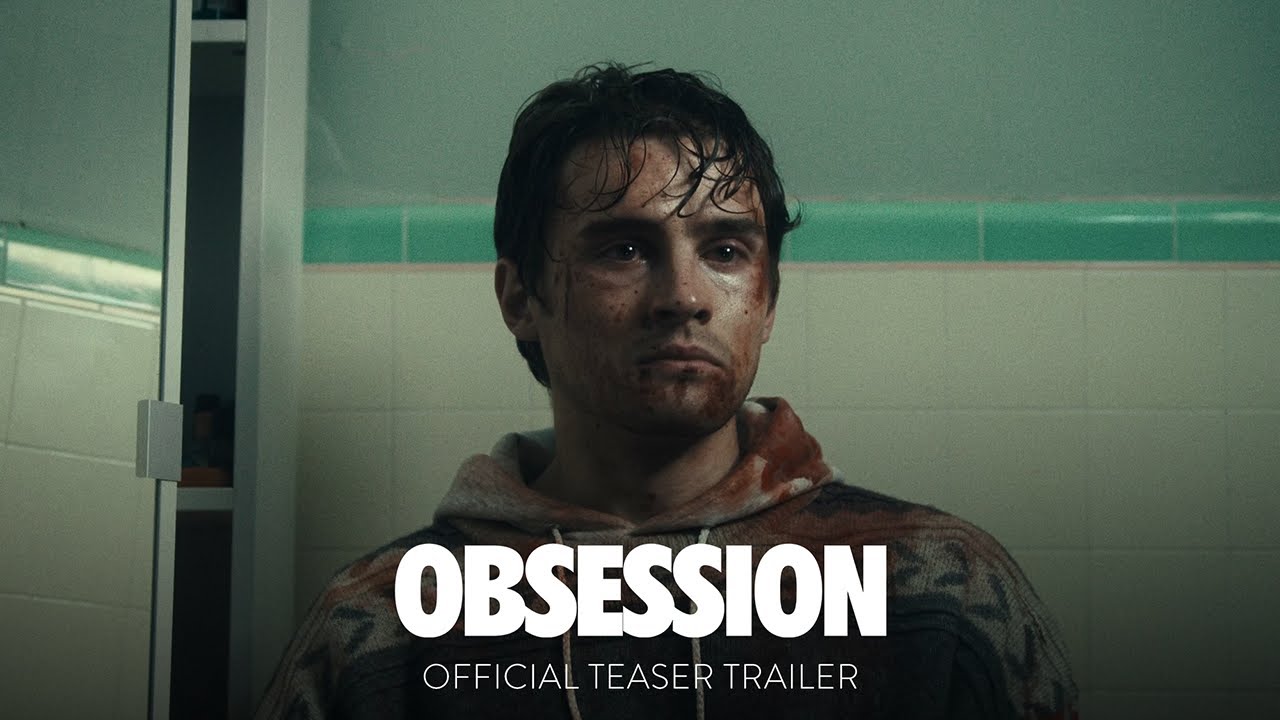
Directed by Curry Barker, the indie horror film Obsession has rewritten the box office playbook. Produced on a modest budget of approximately $1 million, the film has defied industry expectations by grossing over $400 million globally at the time of publication.
The narrative follows a young man named Bear who, desperate to win the affection of his crush Nikki, seeks out the legendary and mysterious "One Wish Willow." While Bear receives exactly what he bargained for, he quickly discovers that supernatural favors carry terrifying consequences. Barker’s film is a masterclass in tension, utilizing shadow-drenched cinematography and a highly unsettling soundscape that keeps audiences on edge.
While Obsession is currently available digitally in the United States via Apple TV and remains in select international theaters, its physical 4K Ultra HD Blu-ray release is highly anticipated. Although the official street date and cover art remain under wraps (TBC), the film’s creative cinematography and intricate sound design make it a prime candidate for a premium physical release.
2. Project Hail Mary: Sci-Fi Realism and the Art of the Steelbook
Scheduled for release on August 10, the 4K Blu-ray of Project Hail Mary represents one of the year’s most anticipated science-fiction physical releases. Based on the bestselling novel by Andy Weir, the film stars Ryan Gosling as Ryland Grace, a high-school science teacher turned astronaut sent on a desperate, solo mission to save humanity from a solar extinction event.
During his deep-space voyage, Grace encounters Rocky, a sentient, mineral-based extraterrestrial. The two form an unlikely partnership, bridging the gap between two entirely different civilizations to save their respective home worlds.
Directorially, the film is notable for its commitment to practical effects. Rather than relying entirely on digital green screens, the production constructed massive, physical spaceship sets and utilized complex puppetry to bring the character of Rocky to life.
This tangible realism translates beautifully to the 4K format, where the deep blacks of space and high-contrast HDR highlights can shine without streaming compression. While a limited-edition Steelbook featuring Kubrick-inspired artwork has already sold out at major UK retailers like HMV, collectors are eagerly waiting for additional inventory to be made available.
3. K-Pop Demon Hunters: A Vibrant Test for High-End AV Systems
In a major win for animation enthusiasts, Sony Pictures Animation and Netflix’s acclaimed musical action-adventure K-Pop Demon Hunters is officially joining the prestigious Criterion Collection. This is a monumental achievement, as the Criterion canon includes only a select few animated films, such as Watership Down and Flow.
The film follows a world-famous, three-piece girl group named Huntrix. Behind the scenes of their chart-topping musical career, the girls lead double lives as trained demon hunters. Through their musical performances, they generate a mystical energy that seals the barrier between the human world and the demon realm. However, when a rival boy band threatens to disrupt their harmony, the group must fight to prevent a global demonic invasion.
While the film has been a popular streaming option on Netflix, its upcoming physical 4K release (date TBC) is highly anticipated by the AV testing community. The movie’s hyper-stylized, vibrant animation style and dynamic, bass-heavy K-Pop soundtrack make it an exceptional tool for calibrating and testing the limits of high-end HDR displays and Dolby Atmos surround sound systems.
Official Responses: The Corporate Defense of Digital Rights Management
When questioned about the sudden removal of purchased content and the transition away from physical formats, corporate representatives typically point to the complexities of digital rights management (DRM) and changing consumer habits.
In statements regarding the deletion of films from the PlayStation Store, Sony Interactive Entertainment cited licensing agreements as the primary factor:

"Due to our content licensing arrangements with providers, users will no longer be able to view their previously purchased content, and it will be removed from their video library."
This defense highlights a fundamental disconnect between consumer expectations and corporate legal policies. From a corporate perspective, digital storefront purchases are transactional agreements subject to the lifetime of the platform’s distribution rights. When those rights expire, the company has no legal obligation to maintain access for the end-user.
Regarding the planned end of physical PlayStation discs by 2028, industry analysts suggest that the decision is driven by profit margin optimization. Digital-only distribution allows platform holders to bypass manufacturing, shipping, and retail cut costs, while simultaneously eliminating the used-game market, ensuring that all software sales flow directly through proprietary, first-party digital storefronts.
Implications: The "Vinylization" of Home Cinema
The current shift in the home entertainment landscape has profound implications for the future of media preservation and consumer behavior. As digital platforms become increasingly volatile, physical media is undergoing a cultural transition similar to the revival of vinyl records in the music industry.
+-----------------------------------------------------------------+
|               THE FUTURE OF HOME ENTERTAINMENT                  |
|                                                                 |
|  [Streaming Services]   --> Convenience-focused, mass-market    |
|                                                                 |
|  [Physical Media (4K)]  --> Premium, boutique collector market  |
+-----------------------------------------------------------------+
Once a mass-market commodity, the Blu-ray disc is transitioning into a premium, boutique product targeted at collectors, audiophiles, and film preservationists. Specialty distribution labels—such as Criterion, Arrow Video, Second Sight, and Shout! Factory—are thriving by catering to this dedicated audience, offering high-bitrate transfers, extensive physical packaging, and exclusive supplemental content.
However, if mainstream hardware manufacturers continue to phase out physical disc players, access to these premium formats may become increasingly restricted. The preservation of cinema history may ultimately depend on a dedicated subculture of collectors willing to invest in physical infrastructure, ensuring that masterpiece films and beloved games cannot be erased by the stroke of a corporate pen.