Main Facts: The Unveiling of the Bravia 6
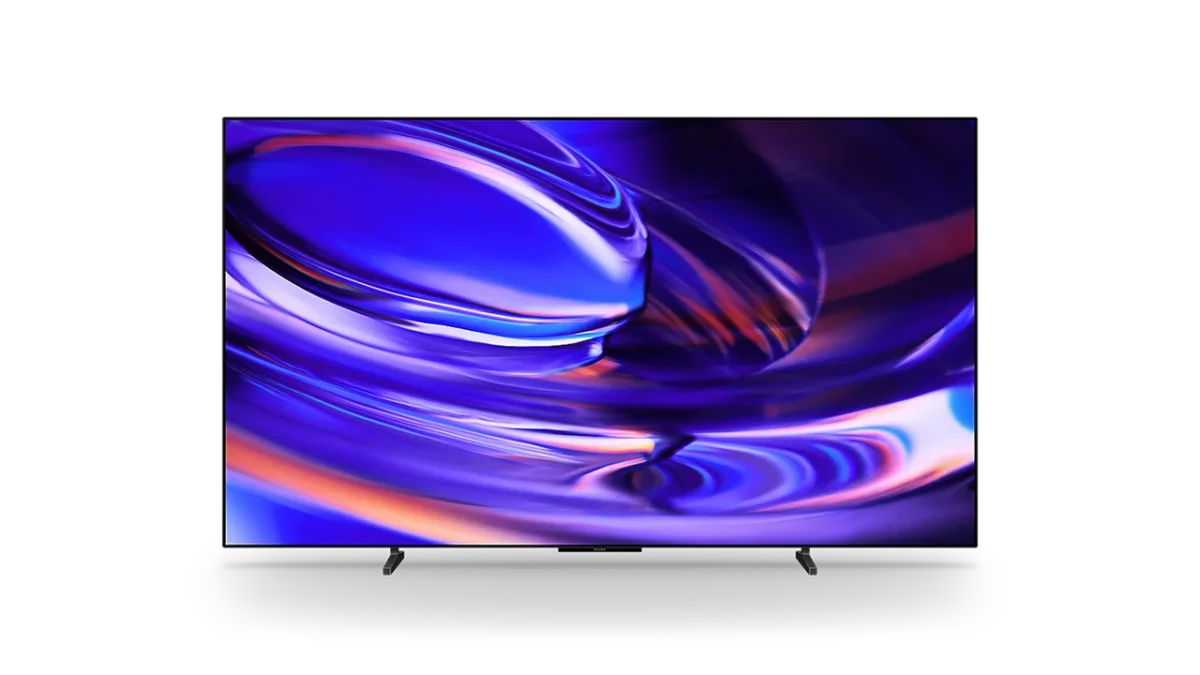
An unexpected development has shaken the home entertainment industry: technology giant Sony appears to be preparing for the launch of a new entry-level OLED television, designated as the Sony Bravia 6. This revelation comes after several of Sony’s official regional websites accidentally published product listings for the unannounced model.
The leaked listings, which were quickly identified by industry observers, confirm that the Bravia 6 is positioned as a budget-friendly or entry-level alternative within Sony’s premium display lineup. The television carries the official marketing tagline, “OLED essentials, now within reach,” signifying Sony’s intent to lower the barrier of entry for consumers seeking the self-emissive picture quality of organic light-emitting diode (OLED) technology.
While official technical specifications sheet downloads were absent from the live pages—suggesting the listings went online ahead of schedule—the product pages revealed several key features:
- Size Range: The television is listed in sizes spanning from 48 inches to 83 inches.
- HDMI Connectivity: In a highly anticipated hardware upgrade, the Bravia 6 is equipped with four full-bandwidth HDMI 2.1 ports. This marks a departure from Sony’s historical limitation of offering only two HDMI 2.1 ports on its displays.
- Audio and Video Standards: The listings confirm robust HDR and surround sound compatibility, including Dolby Vision for high dynamic range video, alongside Dolby Atmos and DTS:X for object-based spatial audio.
- Smart Platform: The Bravia 6 runs on the Google TV operating system, complete with integrated voice control and smart home compatibility.
- Environmental Processing: The TV features integrated ambient light and environmental sensors designed to dynamically optimize picture brightness and color temperature based on real-time room conditions.
Chronology: From OLED Skepticism to Accidental Leak
To understand the significance of the Bravia 6 leak, one must examine the timeline of Sony’s television strategy over the past several years, which has kept enthusiasts and industry analysts guessing.
[Early 2026] Sony announces its TV lineup; no new OLEDs are included, fueling rumors of an exit from OLED.
       │
[Mid-2026] Whispers emerge of a secret entry-level OLED project in development.
       │
[Late June/Early July 2026] Product pages for "Bravia 6" go live prematurely on Sony Hong Kong and Sony Gabon.
       │
[July 2026] Tech communities (High Def News, The Walkman Blog) discover and publicize the leaks.
The 2026 Lineup Disappointment
When Sony officially unveiled its 2026 television portfolio, the announcement was met with widespread surprise and disappointment from AV enthusiasts. The lineup focused heavily on Mini LED backlighting technology—spearheaded by the flagship Bravia 9 series—but entirely lacked a new mainstream OLED model.
Historically, Sony has operated on a staggered, two-year lifecycle for its high-end displays. Because of this, industry experts did not expect an immediate successor to the premium Bravia 8 II. However, many anticipated a direct replacement for the 2024 Bravia 8 or a modern successor to the critically acclaimed Sony A90K, a small-format OLED that has remained in Sony’s catalog for four years without a dedicated update.
The complete omission of new OLED models from the initial 2026 launch led prominent display analysts to theorize that Sony might be planning a quiet, permanent exit from the consumer OLED market, choosing instead to consolidate its engineering resources around high-brightness Mini LED architectures.
The Discovery of the Leak
This narrative changed in mid-2026 when whispers emerged within Asian supply chains suggesting that Sony was preparing a surprise mid-cycle display release. These rumors transitioned into concrete fact when regional product pages for the "Bravia 6" went live prematurely on Sony’s localized portals, notably Sony Hong Kong and Sony Gabon.
The listings were first spotted and documented by the digital publication High Def News, with subsequent technical analysis provided by The Walkman Blog. Recognizing the slip-up, Sony’s web administrators began restricting access to some of these pages, but not before the core product features, marketing materials, and physical design photos were archived by the global tech press.
Supporting Data: Specifications and Panel Analysis
Although the complete user manuals and detailed engineering whitepapers remain under wraps, a comparative analysis of the leaked details provides a clear picture of the Bravia 6’s underlying hardware architecture.
The LG Display "OLED SE" Connection
The leaked listings indicate that the Bravia 6 will be manufactured in 48-inch, 55-inch, 65-inch, 77-inch, and 83-inch configurations. The specific absence of a 42-inch model, combined with the television’s value-oriented positioning, strongly points to the utilization of LG Display’s newly developed OLED SE panels.
| Feature / Metric | LG Display OLED SE Panel (Expected in Bravia 6) | Standard WOLED Panel |
|---|---|---|
| Available Sizes | 48", 55", 65", 77", 83" | 42", 48", 55", 65", 77", 83", 97" |
| Primary Focus | Cost efficiency, competitive pricing against Mini LED | Balanced mid-range performance |
| Target Peak Brightness | ~600–800 nits (standard picture modes) | ~700–1000 nits (with basic heat syncing) |
| Manufacturing Origin | Optimized Gen 8.5 production lines | Standard high-yield fabrication |
The OLED SE panel is engineered specifically to help television brands lower production costs, allowing them to compete more effectively with budget-friendly Mini LED TVs coming out of China. It is highly likely that this same panel architecture is utilized in LG’s own budget-friendly LG B6 series, which serves as the direct market competitor to the upcoming Bravia 6.
The Game-Changing HDMI 2.1 Upgrade
For years, one of the most persistent criticisms leveled against Sony televisions by the gaming and power-user communities has been the limitation of their HDMI interfaces. Even on flagship models like the Bravia 9, Sony has historically provided only two HDMI 2.1 ports, with the remaining two ports restricted to the older HDMI 2.0 standard.
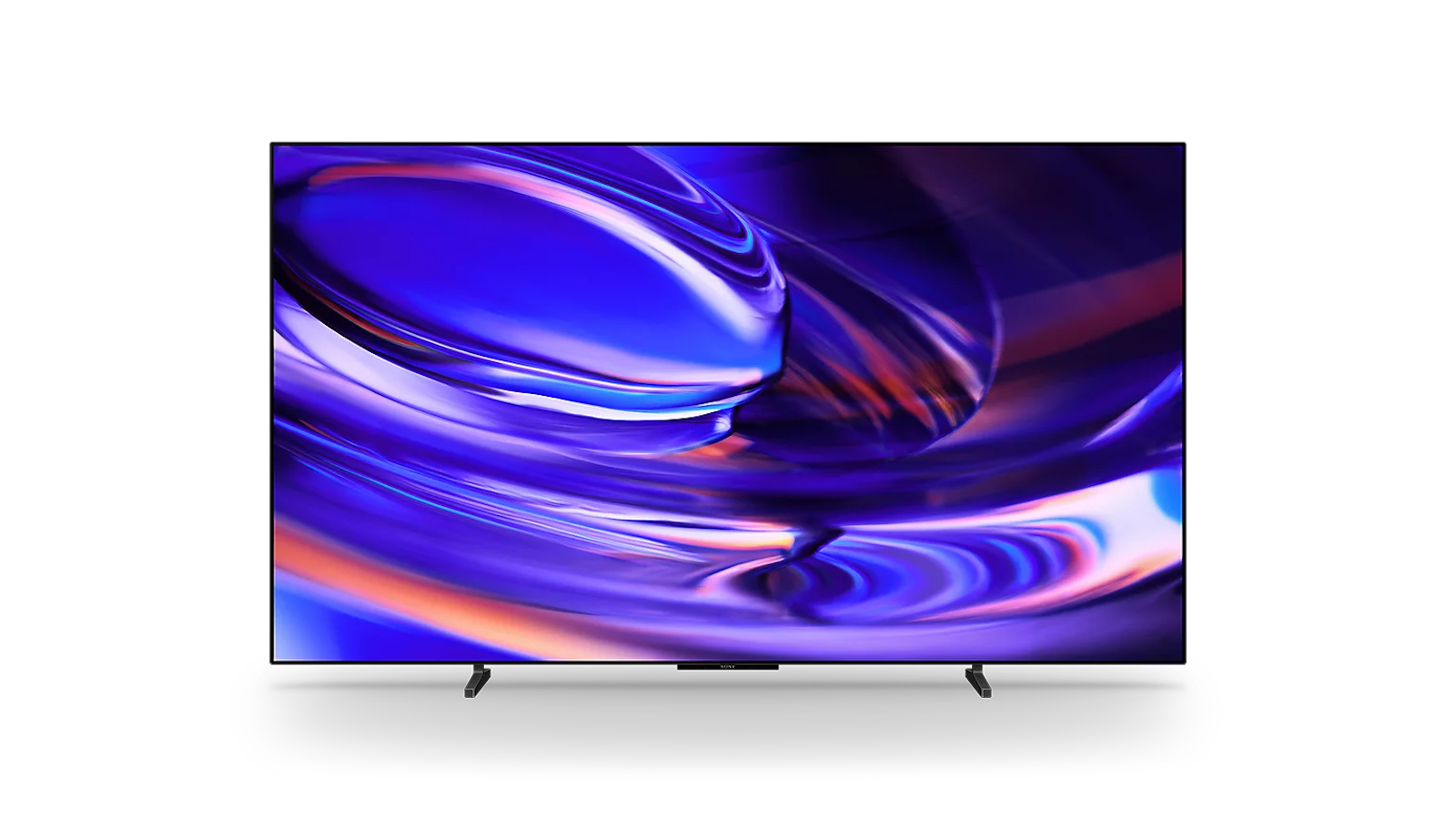
Furthermore, because one of those two HDMI 2.1 ports also functions as the Audio Return Channel (eARC), users connecting an external soundbar or AV receiver were left with only a single high-bandwidth port for source devices. This forced gamers owning multiple modern systems—such as a PlayStation 5, an Xbox Series X, and a high-end gaming PC—to rely on external HDMI switchers to achieve 4K/120Hz gaming with Variable Refresh Rate (VRR) and Auto Low Latency Mode (ALLM) across all devices.
The confirmation that the entry-level Bravia 6 features four fully functional HDMI 2.1 ports represents a massive shift in Sony’s product philosophy. This upgrade strongly indicates that Sony has integrated a new system-on-chip (SoC) architecture—potentially an updated MediaTek chipset—capable of processing high-bandwidth signals across all four inputs simultaneously.
Old Sony Port Configuration:
[Port 1: HDMI 2.0]  [Port 2: HDMI 2.0]  [Port 3: HDMI 2.1 / eARC]  [Port 4: HDMI 2.1]

New Bravia 6 Configuration:
[Port 1: HDMI 2.1]  [Port 2: HDMI 2.1]  [Port 3: HDMI 2.1 / eARC]  [Port 4: HDMI 2.1]
Audio, Video, and Smart Features
Beyond its physical connectivity, the Bravia 6 preserves the premium processing standards associated with the Sony brand:
- High Dynamic Range: The inclusion of Dolby Vision ensures compatibility with major streaming services (such as Netflix, Disney+, and Apple TV+) and 4K Blu-ray media, enabling dynamic tone mapping on a frame-by-frame basis.
- Audio Processing: Support for Dolby Atmos and DTS:X ensures that the TV can pass uncompressed, object-based audio formats directly to external sound systems via eARC, or decode them internally for simulated spatial audio.
- Smart Ecosystem: Operating on the Google TV platform, the Bravia 6 provides access to thousands of streaming applications, personalized recommendations, and deep integration with Google Assistant and Apple AirPlay 2.
- Environmental Optimization: Built-in ambient sensors automatically adjust the display’s brightness curve and white balance relative to the room’s ambient lighting, protecting dark room viewing comfort while preserving visibility in high-glare daytime environments.
Official Responses and Regional Discrepancies
Regional Variants and Size Discrepancies
A closer examination of the leaked regional websites reveals that Sony may employ a highly localized strategy regarding size distribution and product availability.
- On the Sony Hong Kong portal, the Bravia 6 is listed exclusively in 48-inch, 55-inch, and 65-inch models.
- Conversely, the Sony Gabon website lists the larger form factors, showing availability in 55-inch, 65-inch, 77-inch, and 83-inch configurations.
These discrepancies suggest that Sony is tailoring its regional shipments to match historical consumer purchasing patterns in different markets. Densely populated urban markets like Hong Kong, where average living spaces are smaller, will receive the compact models, while regions with larger average homes will see the release of the higher-diagonal variants.
Sony’s Stance and Expected Official Launch
When approached by industry journalists for official clarification on the Bravia 6 listings, representatives for Sony UK and other regional divisions declined to comment on product rumors or unannounced hardware.
Despite the lack of an official statement, the presence of fully translated, localized consumer-facing web pages indicates that the marketing and technical documentation for the Bravia 6 are complete. The television is likely sitting in distribution warehouses awaiting a synchronized global press release, which industry insiders expect to occur in the coming weeks.
Market Implications: A New Era for Affordable OLEDs
Challenging LG and Samsung in the Budget Space
The introduction of the Bravia 6 could disrupt the competitive landscape of the television industry, particularly the entry-level OLED market segment, which has long been dominated by LG’s B-series and Samsung’s entry-level QD-OLED or WOLED offerings.
Entry-Level OLED Market Competition:
┌────────────────────────────────────────────────────────┐
│                      LG B-Series                       │
│  - Strong gaming features                              │
│  - Historically competitive pricing                    │
└───────────────────────────┬────────────────────────────┘
                            │ (Direct Competition)
┌───────────────────────────▼────────────────────────────┐
│                  Sony Bravia 6 (New)                   │
│  - Sony Cognitive Processor color science              │
│  - Four HDMI 2.1 ports                                 │
│  - Aggressive entry-level pricing                      │
└───────────────────────────┬────────────────────────────┘
                            │ (Direct Competition)
┌───────────────────────────▼────────────────────────────┐
│                  Samsung Entry-OLEDs                   │
│  - High brightness WOLED/QD-OLED hybrid                │
│  - Tizen OS integration                                │
└────────────────────────────────────────────────────────┘
Historically, consumers shopping for a budget-friendly OLED TV turned to LG or Samsung because Sony’s options carried a steep price premium. By introducing a model specifically designed to be "within reach," Sony can directly target cost-conscious buyers who want the brand’s renowned motion handling, upscaling, and color accuracy without paying flagship prices.
The Strategic Shift in Sony’s Display Portfolio
The creation of the Bravia 6 represents a broader strategic shift for Sony. Faced with intense competition from brands like TCL and Hisense—who are pushing the limits of price-to-performance ratios with high-zone Mini LED TVs—Sony cannot rely solely on its ultra-premium, high-margin displays to maintain market share.
By utilizing LG Display’s lower-cost OLED SE panels, Sony can offer an entry-level OLED that matches the price point of premium Mini LEDs, giving consumers a clear choice between the high peak brightness of LCD backlighting and the pixel-level contrast of OLED. The inclusion of four HDMI 2.1 ports also signals that Sony is finally addressing long-standing consumer pain points to make its entry-level products highly competitive out of the box.
Whether the Bravia 6 will secure a spot among the year’s best budget televisions depends heavily on its final retail pricing. If Sony can keep the launch price close to its competitors, this leaked model could become one of the most significant and successful television releases in the company’s recent history.