Introduction: A Political Storm in a Podcast Studio
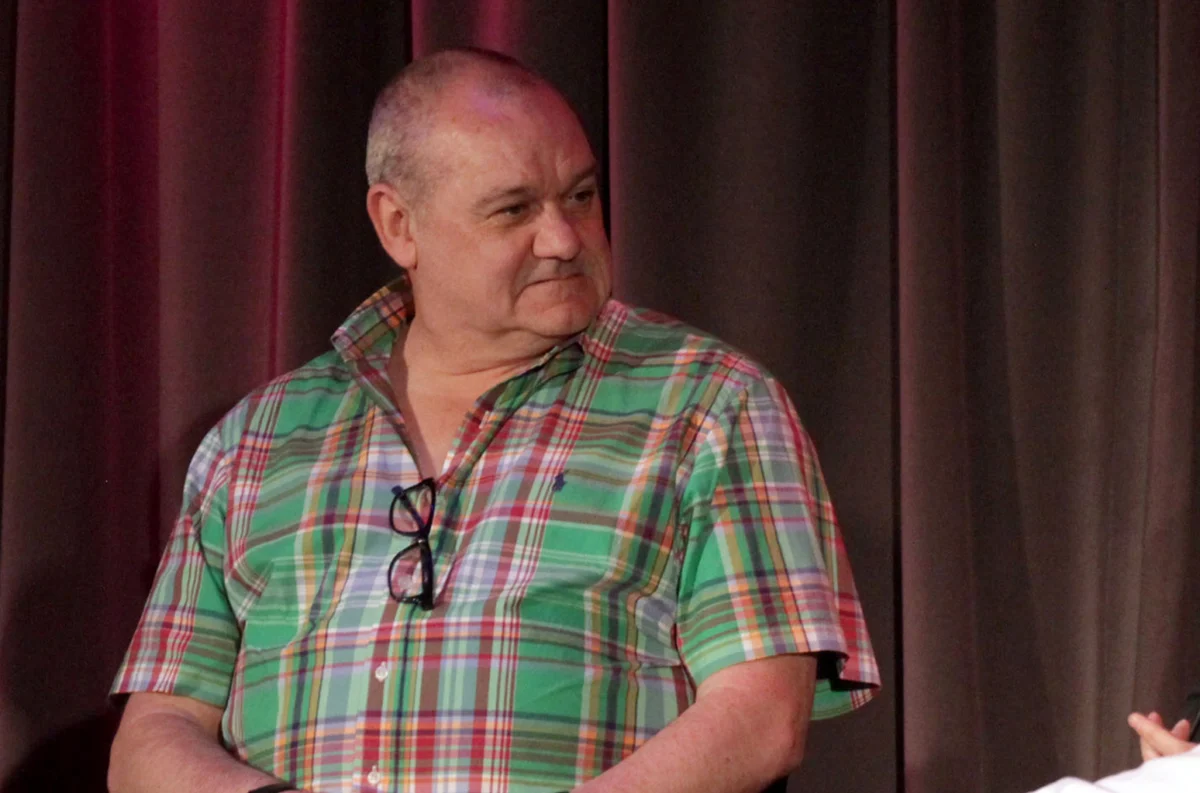
In the high-stakes environment of Australian politics, the line between casual relatability and professional decorum is often thin. This week, Prime Minister Anthony Albanese found himself crossing that line, triggering a wave of public and political criticism after a candid, and at times irreverent, appearance on the Bush Deep podcast.
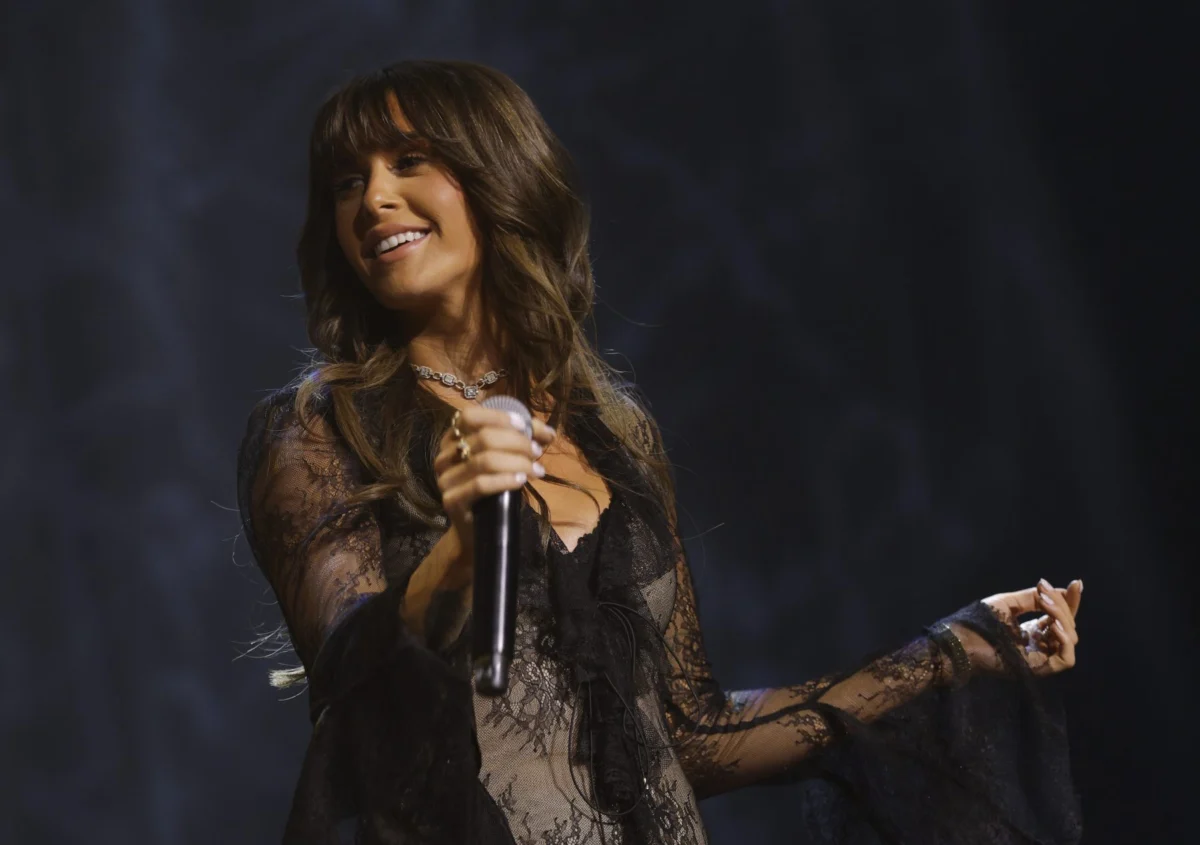
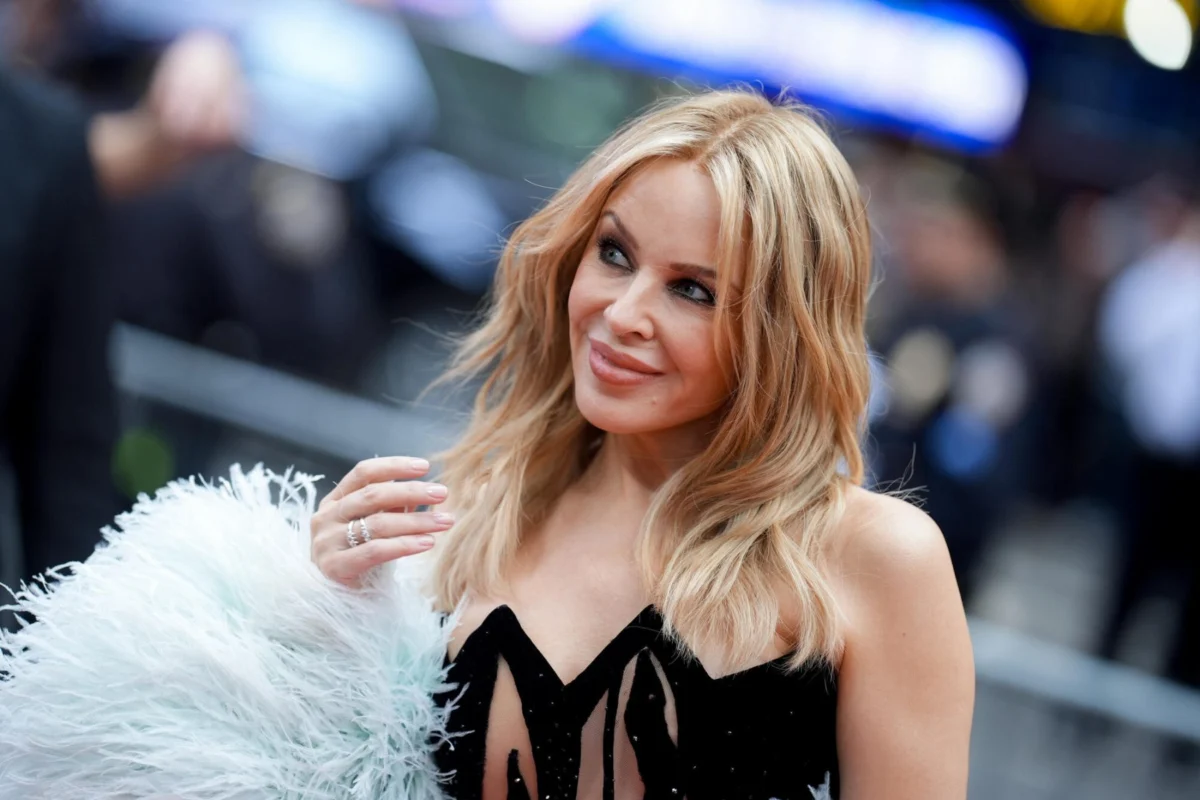
Hosted by comedian Nikki Osborne, the interview—which was intended to humanize the Prime Minister and showcase his personality—rapidly spiraled into a controversy that has dominated the national discourse. At the center of the firestorm is a "shag, marry, date" game, a popular but suggestive pop-culture segment that saw the Prime Minister placing prominent Australian women, including global pop icon Kylie Minogue, into controversial categories. The fallout has prompted a rare, unequivocal apology from the Prime Minister’s office and sparked a broader debate regarding the behavior of the nation’s highest-ranking public official.
Chronology of the Incident
The interview, released last week, featured a wide-ranging conversation between Albanese and Osborne. While the discussion touched upon standard political fare, such as gifts from world leaders and the Prime Minister’s personal life, the tone shifted when the conversation turned toward lighthearted pop-culture trivia.
- The Setup: Nikki Osborne presented the Prime Minister with a hypothetical scenario involving three well-known Australian women: Kylie Minogue, Nicole Kidman, and Rhonda Burchmore. She asked him to apply the "shag, marry, date" framework to the trio.
- The Resistance: Initially, Albanese appeared hesitant, clearly aware of the potential for the game to be perceived as inappropriate given his position as Prime Minister. However, under the persistent prompting of the host, he eventually relented.
- The Response: Abandoning any pretense of neutrality, Albanese opted to nominate Kylie Minogue for every single category. "Kylie, clearly," he remarked, later adding, "all of the above… She’s terrific."
- The Escalation: The interview took a further turn when the discussion shifted to the Prime Minister’s private life. When asked if he and his wife, Jodie Haydon, were "bonking like rabbits," Albanese responded with a quip about his busy schedule, suggesting that their intimacy relied on timing—specifically after a win by his favorite rugby team, the South Sydney Rabbitohs.
- The Backlash: As clips from the podcast circulated over the weekend, the commentary grew increasingly severe. By Monday morning, the Prime Minister’s office issued a formal, one-line apology to quell the growing public outcry.
The Public and Political Response
The reaction to the Prime Minister’s comments was swift and bipartisan. Critics were quick to point out that while the Prime Minister may have been attempting to appear "relatable," the choice of platform and the nature of the questions undermined the dignity of his office.
Opposition and Independent Criticism
Independent MP Zali Steggall led the charge in criticizing the Prime Minister’s participation in the game. In an interview with The Australian, Steggall noted that it was "entirely inappropriate for the prime minister to participate in such a game." She argued that as a leader, Albanese had a responsibility to "push back, lead by example, and call it out as sexist," rather than engaging in a game that objectified women.
Liberal shadow minister Sarah Henderson was equally scathing, describing the remarks as "disrespectful to women, embarrassing to Australians, and [something that] demeans the office of Prime Minister." Adding to the pressure, Liberal frontbencher Andrew Bragg labeled the comments as simply "beneath his office."
Defenses from Within the Party
Not all responses were condemnatory. Labor minister Tanya Plibersek attempted to mitigate the damage by framing the Prime Minister’s appreciation for Kylie Minogue as a universal sentiment. "Being a fan of Kylie Minogue… puts him in a group with millions of other Australians, including me," she told Channel Seven.
Acting Prime Minister Richard Marles took a more analytical approach, suggesting that the podcast format was inherently "different" from traditional media. He urged the public to look at the government’s track record, specifically highlighting their achievements in gender-equality, including record-breaking representation in cabinet and the wider caucus.
Kylie Minogue: An Enduring Global Icon
The controversy highlights the immense cultural footprint of Kylie Minogue, whose influence in Australia remains profound. Despite the political nature of the debate, Minogue’s status as a national treasure is perhaps why the Prime Minister’s comments felt so jarring to some—it involved a cultural icon in a format that many felt lacked the respect her career deserves.

A Legacy on the Billboard Charts
Minogue’s career is one of the most remarkable stories in music history. Since her arrival on the international stage in the late 1980s, she has consistently reinvented herself, maintaining relevancy across four decades.
- The Early Years: She first broke into the U.S. Billboard Hot 100 in 1988 with the iconic "The Loco-Motion," which reached No. 3 and spent 27 weeks on the charts.
- The Global Phenomenon: In 2002, her single "Can’t Get You Out of My Head" became a global anthem, peaking at No. 7 on the Hot 100 and anchoring her album Fever, which remains her highest-charting effort on the Billboard 200 at No. 3.
- Recent Successes: Minogue has demonstrated remarkable longevity, with 11 total entries on the Billboard 200. Her recent comeback, headlined by the viral hit "Padam Padam," marked a significant milestone, becoming the first track to win the Grammy for Best Pop Dance Recording. The song also returned her to the Pop Airplay charts for the first time in nearly 20 years.
As she prepares to headline the AFL Grand Final in September, the controversy serves as a strange backdrop to what is expected to be a celebratory moment for the singer.
Implications for Political Communication
The incident involving Prime Minister Albanese raises fundamental questions about how modern politicians interact with digital media. In the era of the "creator economy," politicians are increasingly turning to podcasts and social media influencers to bypass traditional media gatekeepers. While this strategy offers a chance to bypass critical journalistic scrutiny and speak directly to younger demographics, it also carries inherent risks.
The "Relatability Trap"
Politicians often seek to appear "human" to connect with voters, but the Bush Deep incident demonstrates the hazards of this approach. By entering a space designed for comedy and provocation, the Prime Minister inadvertently ceded control of his image. The "shag, marry, date" game is designed to be provocative; participating in it forced the Prime Minister into a binary choice that was always going to be problematic.
The Role of Media Gatekeepers
Traditional media organizations have long operated under strict guidelines regarding the types of questions posed to leaders. Podcasts, which often operate with lower production values and fewer editorial checks, have a more informal dynamic. For a Prime Minister, this lack of structure is a double-edged sword: it allows for more intimate, "authentic" conversation, but it also removes the buffers that protect the dignity of the office.
Conclusion: Lessons Learned
The apology issued by the Prime Minister’s office—a brief "I apologize unequivocally for the comments"—signals an attempt to close the book on a difficult week. However, the incident will likely linger in the minds of political strategists as they evaluate the future of political engagement in the digital age.
The controversy is a reminder that the office of the Prime Minister carries a weight that cannot be shed, even when the lights are dimmed and the microphones are meant to be casual. As Australian voters look toward the future, the debate will likely shift back to policy and governance. Nevertheless, the Bush Deep saga serves as a cautionary tale: in the world of modern media, where every word is recorded and potentially viral, the search for "authenticity" must be balanced with the gravity of public service.
For now, the focus will likely return to the serious business of the country, while the Prime Minister will surely be more cautious in his choice of platforms and the company he keeps during future interviews. As for Kylie Minogue, she remains above the fray—a testament to her status as a figure who transcends the messy, often contentious, world of politics.