With the release of the Galaxy S26 Ultra, Samsung continues its quest to dominate the ultra-premium smartphone market. Known for packing its flagship handsets with cutting-edge technology, the South Korean giant is pitching its latest device not just as a productivity powerhouse, but as the ultimate portable audio-visual (AV) machine.
While last year’s Galaxy S25 Ultra earned critical acclaim—including a spot on the prestigious What Hi-Fi? Awards list—for its groundbreaking picture upscaling, the S26 Ultra aims to refine this formula. Through subtle hardware modifications and significant under-the-hood picture processing upgrades, Samsung is attempting to fend off fierce competition from Apple and Sony. However, with rising prices and a controversial shift in chassis materials, does the S26 Ultra do enough to maintain its crown as the premier smartphone for movie and music enthusiasts on the move?
1. Main Facts: The Core Upgrades and First Impressions
The Samsung Galaxy S26 Ultra arrives with a clear mission: to perfect the mobile viewing experience. Rather than reinventing the wheel, Samsung has focused its engineering efforts on under-the-hood processing, display refinements, and AI integration.
Key Takeaways:
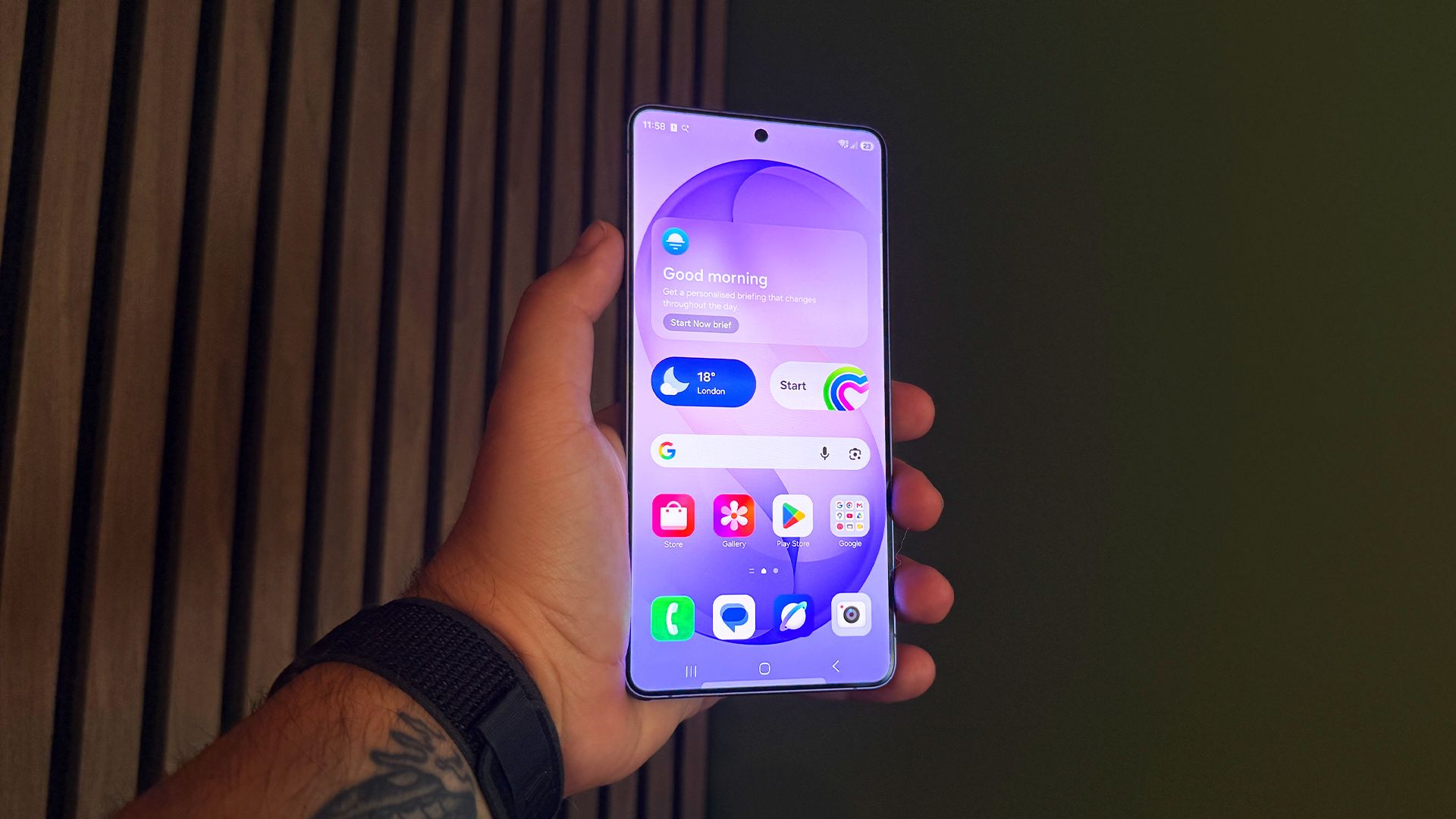
- Advanced Processing: An upgraded ProScaler upscaling algorithm and an enhanced mDNIe (mobile Digital Natural Image engine) system with 10-bit color data processing deliver unprecedented image depth and color accuracy.
- Refined Ergonomics: The chassis has been slimmed down to 7.9mm (from the S25 Ultra’s 8.3mm), making it the thinnest Galaxy Ultra smartphone to date, while retaining the smoothed-corner design introduced last year.
- Material Shift: Samsung has dropped the titanium frame of the S25 Ultra, returning to an upgraded Armor Aluminum shell to improve thermal dissipation.
- Pricing Pressures: The handset sees notable price hikes across all configurations in key regions, particularly in the UK, pushing it further into the luxury tier.
- Performance Powerhouse: Powered by the custom Qualcomm Snapdragon Elite Gen 5 for Samsung, paired with up to 16GB of RAM and running Android 16 (One UI 8).
The overall verdict from early testing indicates that while the S26 Ultra is not a radical departure from its predecessor, its targeted display and processing improvements make it an exceptionally capable device for streaming high-end cinematic content.
2. Chronology: Tracing the Evolution of the Ultra Flagship
To understand the design and functional choices of the Galaxy S26 Ultra, it is essential to trace the lineage of Samsung’s flagship line over the last four generations. Samsung’s design philosophy has undergone a gradual, highly calculated transformation.
[S23 Ultra] Curved Screen & Sharp Corners
     │
     ▼
[S24 Ultra] Flat Screen & Sharp Corners (Titanium introduced)
     │
     ▼
[S25 Ultra] Flat Screen & Smoothed Corners (Titanium retained)
     │
     ▼
[S26 Ultra] Flat Screen, Smoothed Corners, Raised Camera Island, Thinner 7.9mm Body (Armor Aluminum)- The Galaxy S23 Ultra Era: This model was defined by its noticeably curved edge display and sharp, boxy corners. While striking, the curved screen occasionally interfered with stylus (S-Pen) usability and suffered from off-axis glare.
- The Galaxy S24 Ultra Shift: Samsung flattened the display entirely, responding to user feedback. This generation also introduced a titanium frame, mimicking Apple’s design direction, which gave the phone a highly premium, textured feel.
- The Galaxy S25 Ultra Refinement: While keeping the flat screen, Samsung softened the sharp corners of the device, making it significantly more comfortable to hold for extended periods—especially when watching full-length movies. This model also introduced the first-generation ProScaler, which revolutionized mobile video streaming by intelligently upscaling low-resolution content.
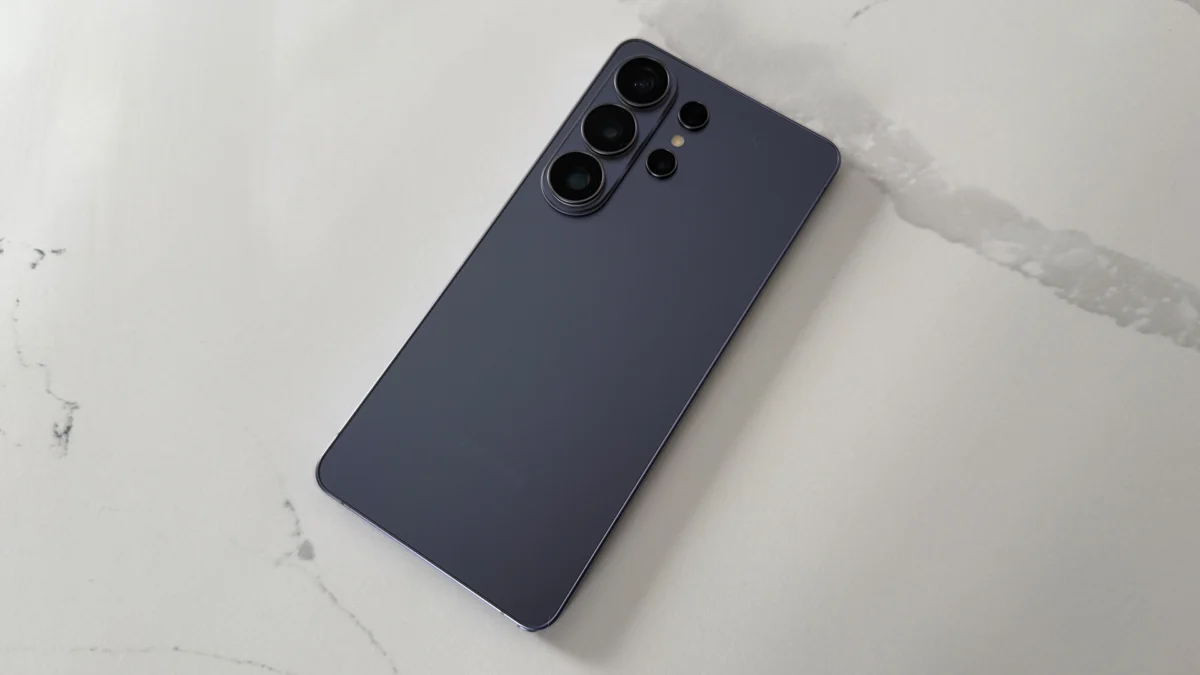
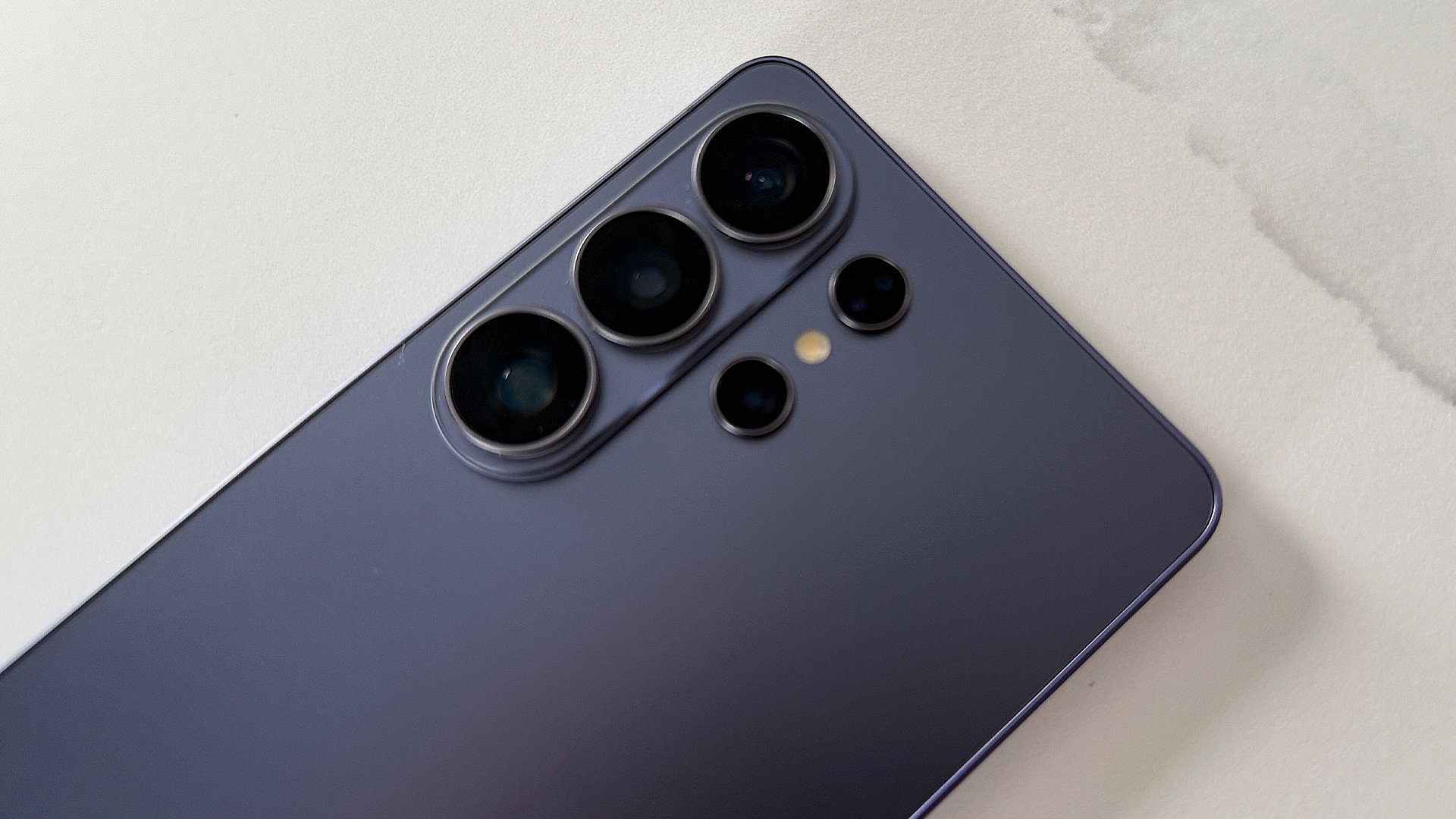
- The New Galaxy S26 Ultra Paradigm: The S26 Ultra represents the culmination of these design tweaks. The corners remain comfortably smooth, but the profile has been shaved down to a mere 7.9mm. However, the previously flush, individual rear camera lenses have now been consolidated onto a slightly raised "island." Furthermore, the titanium frame has been retired in favor of an advanced aluminum alloy, marking a structural pivot for the series.
3. Supporting Data: Specifications, Pricing, and Market Comparisons
The premium smartphone sector is more competitive than ever. Below is a detailed breakdown of how the Galaxy S26 Ultra positions itself in terms of pricing, hardware specifications, and rival flagships.
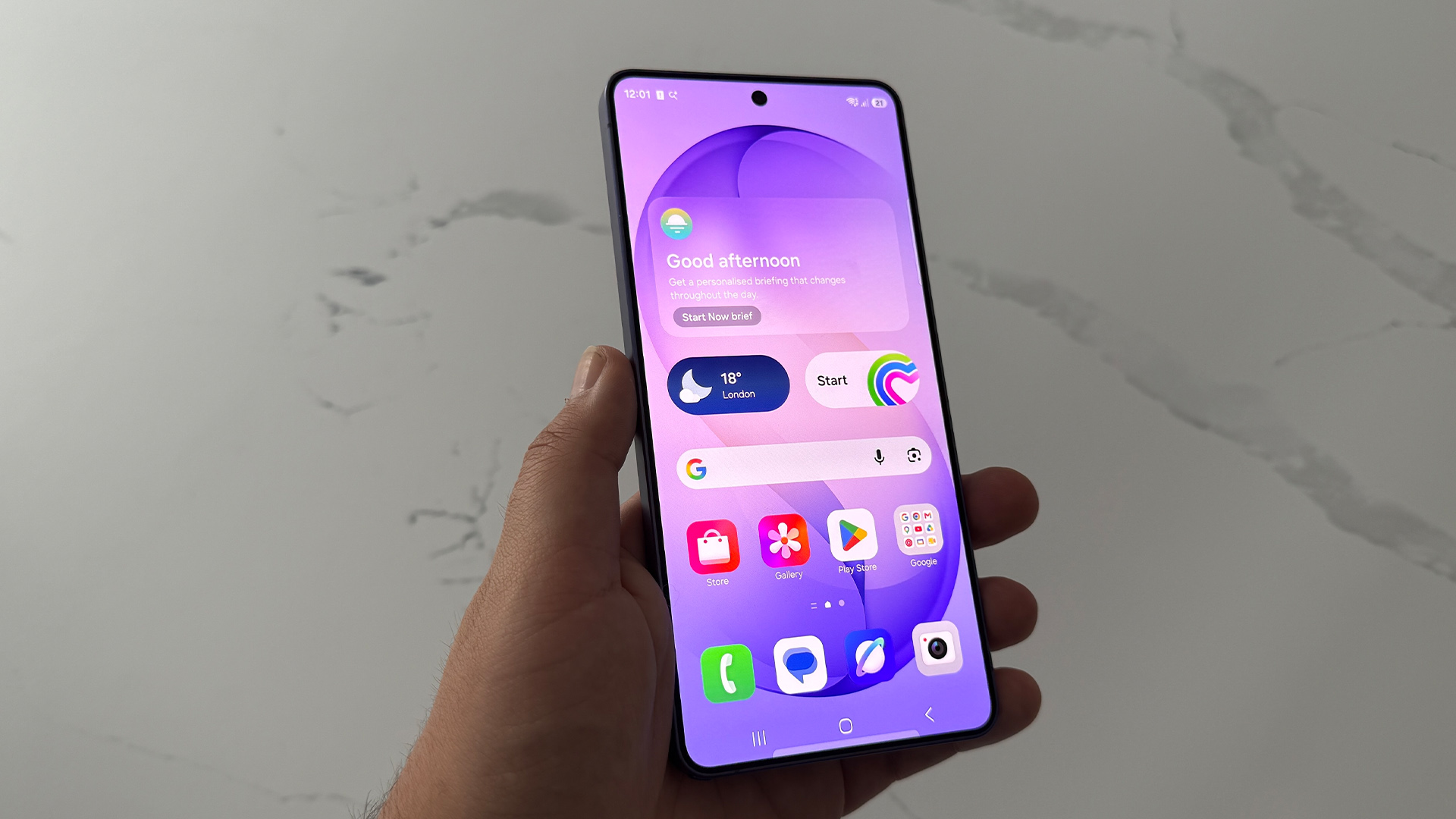
Regional Pricing Breakdown
The S26 Ultra’s upgrades come at a premium, with price increases felt most acutely by UK consumers:
| Configuration | UK Price | US Price | AU Price | Price Change vs. S25 Ultra (UK) |
|---|---|---|---|---|
| 256GB / 12GB RAM | £1,279 | $1,300 | AU$1,799 | +£50 |
| 512GB / 12GB RAM | £1,449 | $1,500 | AU$2,099 | +£100 |
| 1TB / 16GB RAM | £1,699 | $1,800 | AU$2,549 | +£150 |
Technical Specifications: Samsung Galaxy S26 Ultra
- Display: 6.9-inch Dynamic AMOLED 2x, 3120 x 1440 pixels (500 ppi), 1Hz-120Hz variable refresh rate, HDR10+ support, 3000 nits peak brightness.
- Protection: Corning Gorilla Armor 2 (front), anti-reflective coating.
- Processor: Qualcomm Snapdragon Elite Gen 5 for Samsung.
- Operating System: Android 16 with One UI 8.
- Battery & Charging: 5000mAh; 60W wired fast charging (0-75% in 30 minutes), 25W wireless charging.
- Rear Cameras: 200MP main (f/1.7, wider sensor), 50MP telephoto (5x optical zoom), 10MP telephoto (3x optical zoom), 50MP ultra-wide.
- Audio: Stereo speakers (asymmetrical), Dolby Atmos support, SSC (Samsung Seamless Codec) and Bluetooth LE Audio.
- Dimensions & Weight: 162.3 x 79.0 x 7.9mm; 214g.
Competitive Landscape
The S26 Ultra faces stiff competition from two distinct rivals:
- Apple iPhone 17 Pro Max: Starting at £1,199 / $1,199 / AU$2,149, Apple’s flagship is notably cheaper than the base S26 Ultra. While Apple has also moved back to aluminum for its Pro line to manage heat, its ecosystem and integrated AV processing remain formidable benchmarks.
- Sony Xperia 1 VIII: Priced at £1,399 in the UK (with limited availability in the US and Australia), the Xperia line remains the darling of purist videophiles due to its 21:9 aspect ratio, front-facing stereo speakers, and retaining the 3.5mm headphone jack.
4. Official Responses and Engineering Choices
Every design choice in a modern flagship involves trade-offs. Samsung’s official documentation and engineering briefings shed light on several controversial decisions regarding the S26 Ultra’s build and features.
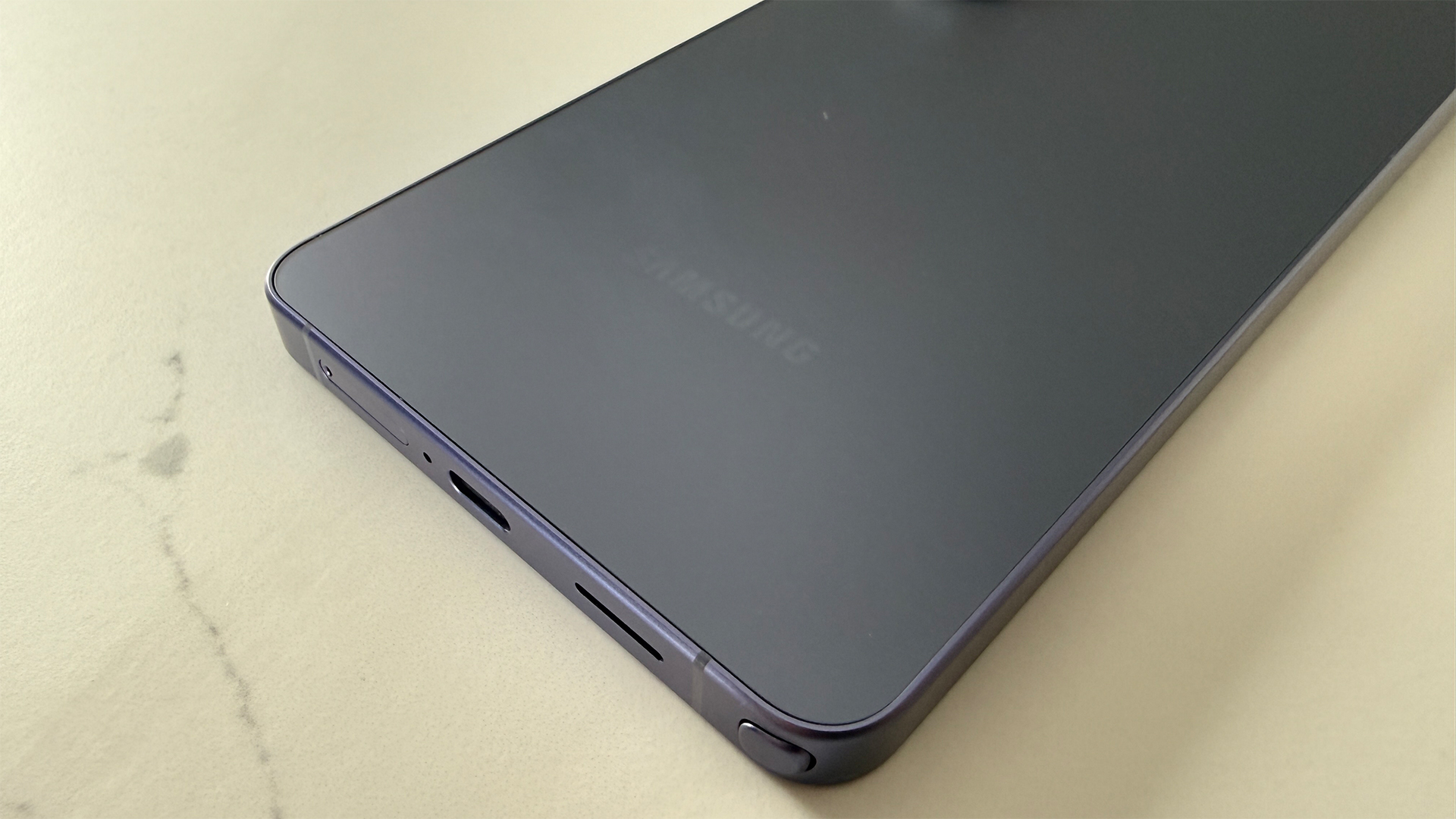
The Return to Aluminum
The decision to abandon titanium after just two generations raised eyebrows. Samsung’s official stance mirrors that of Apple: improved thermal efficiency. Under heavy workloads—such as rendering 8K video, running generative AI locally, or processing high-frame-rate games—titanium acts as a thermal insulator, trapping heat inside the device.
By utilizing an upgraded version of its proprietary Armor Aluminum (previously seen on the rugged Galaxy Z Fold 7), Samsung claims the S26 Ultra can dissipate heat far more effectively. This structural change allows the custom Snapdragon Elite Gen 5 processor to run at peak clock speeds for longer periods without thermal throttling.
Collaboration with the Visual Display Division
Samsung Mobile has heavily publicized its close collaboration with the company’s award-winning TV division. The S26 Ultra’s ProScaler and mDNIe processing chips are direct descendants of the Neo Quantum processors found in Samsung’s high-end Neo QLED and QD-OLED TVs.
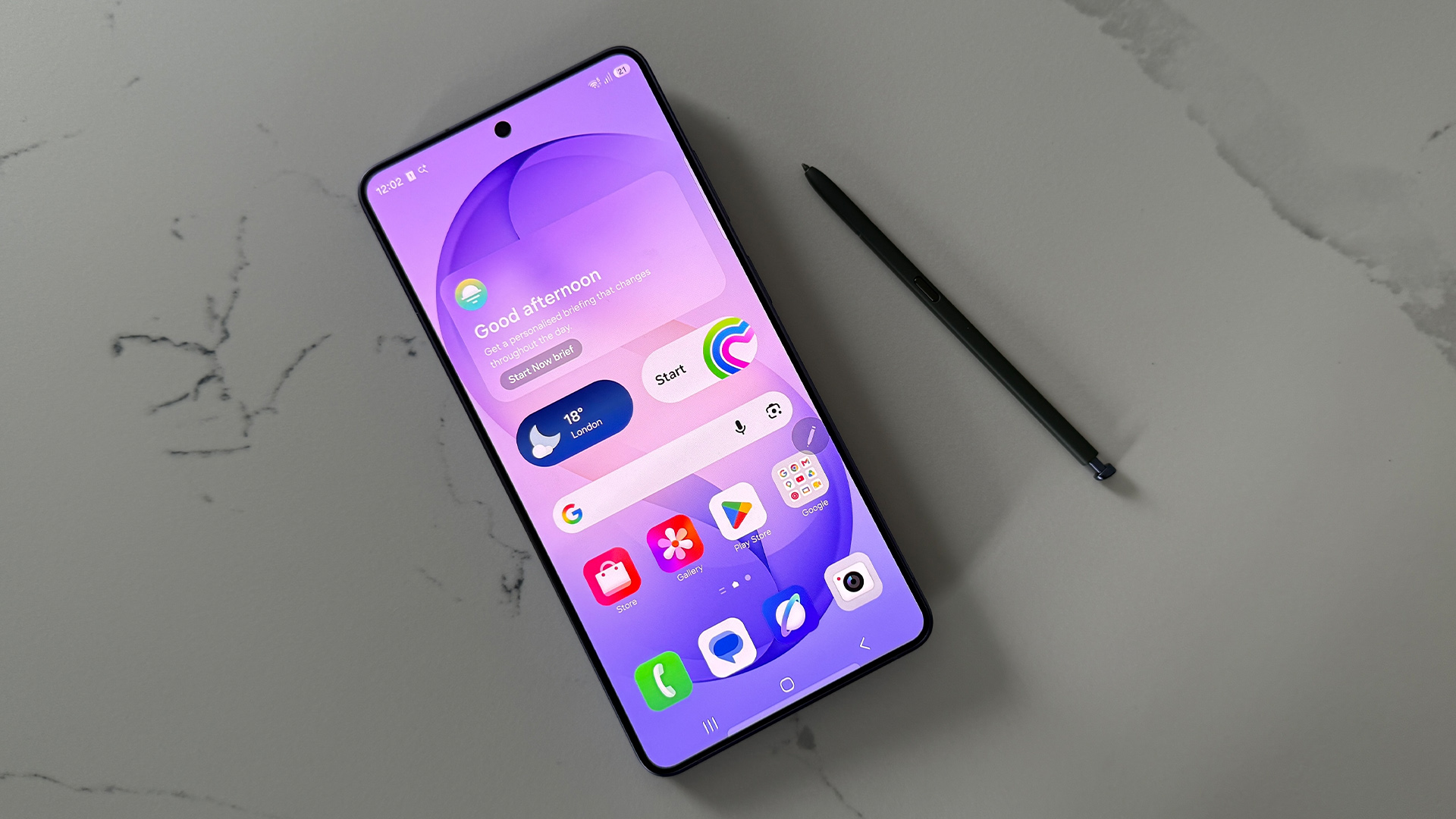
According to Samsung, the goal was to implement 10-bit data processing at a mobile scale. This engineering feat allows the display to process and present color gradations with four times the precision of standard 8-bit mobile panels, virtually eliminating color banding in dark streaming scenes.
The Qi2 Wireless Charging Omission
One of the more puzzling omissions is the lack of native Qi2 magnetic charging support built directly into the phone’s back panel. While competitors like Apple (MagSafe) and Google (Pixel Snap) have embraced built-in magnetic rings, Samsung continues to rely on magnetic cases to bridge the gap.
Insiders suggest that the inclusion of the internal S-Pen stylus, combined with the complex multi-lens camera array and the desire to reduce the phone’s thickness to 7.9mm, left insufficient space for a native magnetic array without compromising battery capacity.
5. AV Performance: Hands-On Picture and Sound Analysis
To evaluate whether Samsung’s under-the-hood processing tweaks translate to a superior real-world experience, the S26 Ultra was subjected to rigorous, side-by-side testing against the S25 Ultra and the iPhone 16 Pro.
Picture Quality Evaluation
To ensure an unbiased testing environment, the S26 Ultra’s display settings were adjusted from their default state: the resolution was maximized to QHD+ (3120×1440), and the color profile was switched from "Vivid" to "Natural."
[Default Out-of-Box Settings] ────► [Optimized Audiophile/Videophile Settings]
• Resolution: FHD+ (2340x1080)       • Resolution: QHD+ (3120x1440)
• Color Profile: Vivid               • Color Profile: Natural
• Motion Smoothing: On               • Motion Smoothing: Calibrated
Test Scene 1: The Batman (HBO Max – 4K HDR)
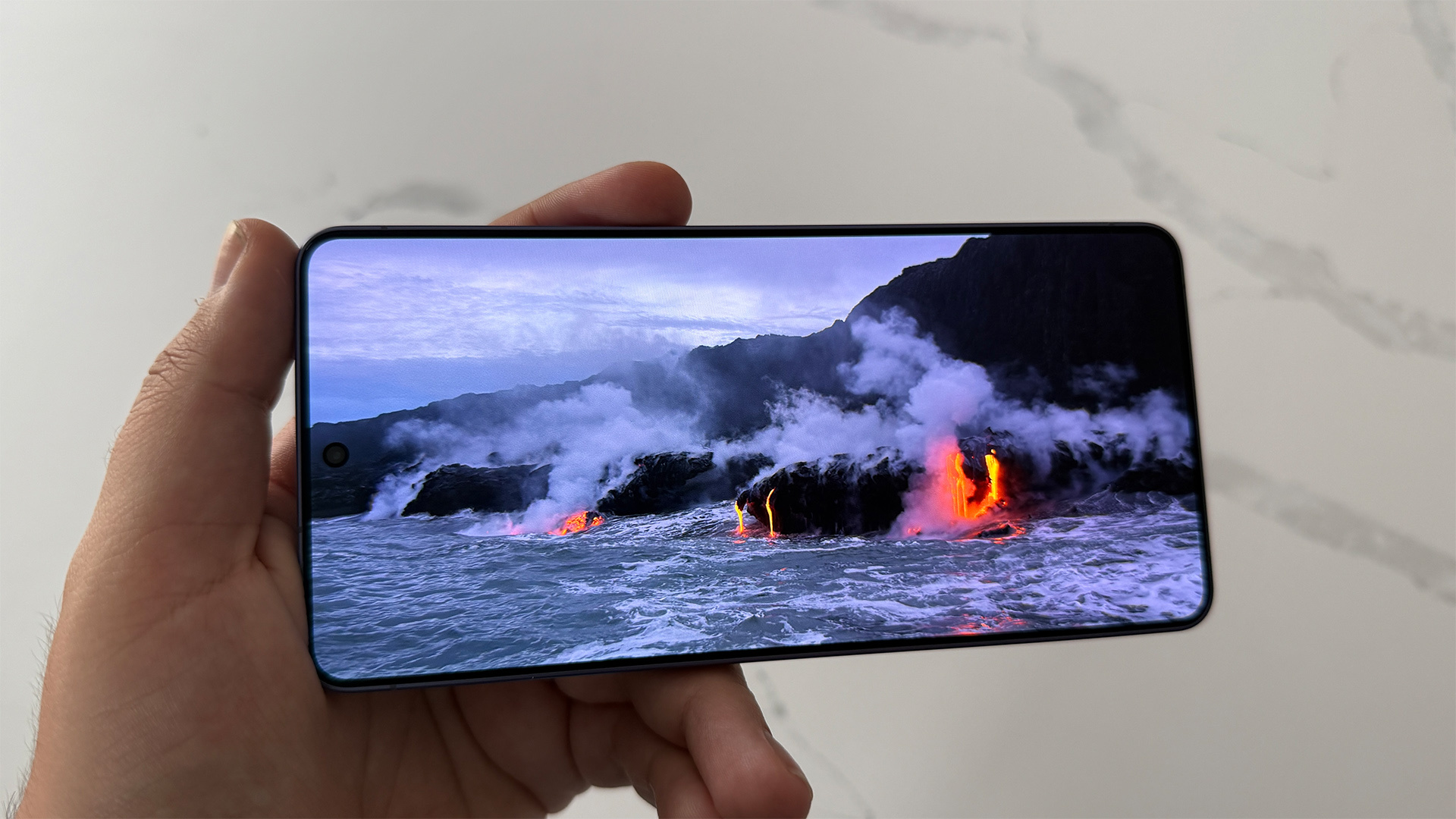
This film is a notorious torture test for OLED screens due to its dark, shadow-heavy cinematography. The S26 Ultra handled the grimy streets of Gotham with stunning competence. The contrast between the brilliant neon signage and the deep, ink-like black levels of the wet asphalt was stark. The updated mDNIe system prevented the "black crush" that occasionally plagued older models, revealing fine details in Batman’s armored suit within dimly lit corridors.
Test Scene 2: Ready Player One (Amazon Prime Video – HDR10+)
During the chaotic, fast-paced New York City race sequence, the S26 Ultra demonstrated massive strides in motion handling. The micro-stuttering and minor motion artifacts observed on the S25 Ultra were entirely absent. The camera sweeps around the collapsing bridges and racing vehicles with a smooth, cinematic fluidity that, while highly polished, avoided looking artificially processed. The peak brightness of 3000 nits made the explosion highlights and laser fire dazzlingly intense.
Test Scene 3: Wake Up Dead Man (Netflix – Dolby Vision/HDR)
In brighter, more daylight-dominated scenes, the S26 Ultra showcased its color accuracy. Skin tones looked incredibly lifelike, devoid of the reddish or yellowish tint common to older Samsung displays. The foliage and costume colors felt rich and saturated, yet remained grounded in reality. The ProScaler feature did an exceptional job of upscaling standard HD streams, making them look remarkably close to native 4K.
Audio Performance Evaluation
The audio experience on the S26 Ultra is a tale of two halves: outstanding built-in speakers, but slightly compromised headphone performance when compared to its fiercest rival.
       [Built-In Stereo Speakers]             [Wired Headphone Output (via USB-C)]
                  │                                             │
                  ▼                                             ▼
• Excellent physical stereo separation.        • Extremely clean, detailed, and crisp.
• Dolby Atmos creates a wide soundstage.       • Exceptional vocal clarity & texture.
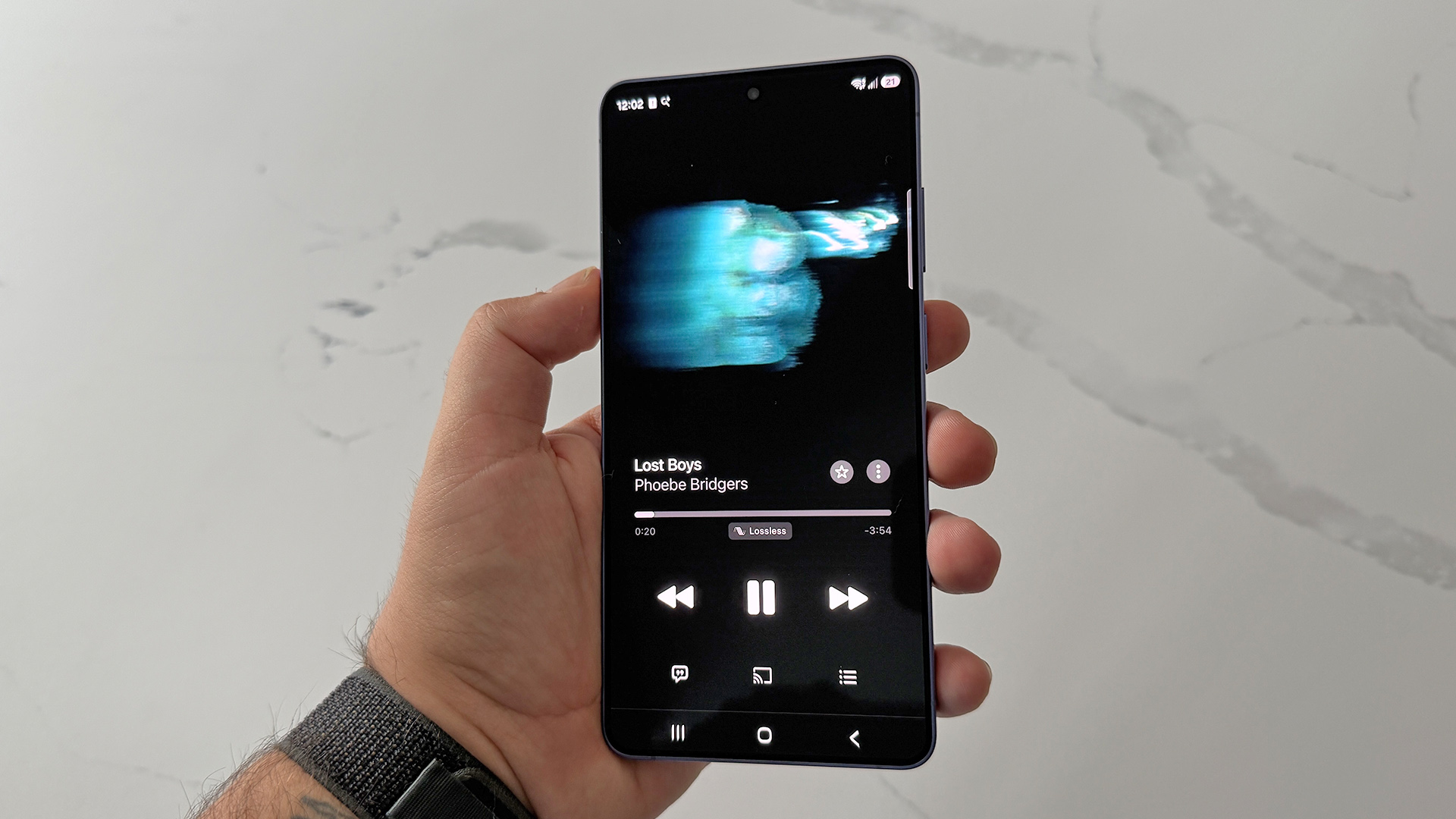
• Perfect for casual movie watching. • Slightly lean; lacks the warmth of iPhone.- Built-in Speakers: The physical distance between the earpiece speaker and the bottom-firing driver allows the S26 Ultra to project an impressively wide stereo soundstage. When watching Ready Player One, enabling Dolby Atmos created a surprisingly immersive bubble of sound, with engines roaring across the screen with distinct left-to-right panning.
- Wired Headphone Performance: Using a high-quality USB-C to 3.5mm DAC adapter to stream lossless tracks from Apple Music, the S26 Ultra delivered a clean, clinical, and highly detailed sound. In Bon Iver’s For Emma, vocal harmonies were beautifully layered, and the texture of the acoustic guitar strums in Mazzy Star’s Fade Into You was crisp and immediate.
- The Apple Comparison: Despite these improvements, a direct comparison with the iPhone reveals that Samsung still leans toward a slightly over-excited, direct sound profile. The iPhone delivers a warmer, more cohesive, and full-bodied sonic signature, integrating bass and mid-tones with greater musicality.
6. Implications: What This Means for the Premium Smartphone Market
The release of the Samsung Galaxy S26 Ultra highlights several broader trends and shifts within the consumer technology landscape:
- The Maturation of Hardware: We have reached a point of diminishing returns in smartphone hardware design. Screen sizes are capping out at around 6.9 inches, and camera resolutions have plateaued. Consequently, the battleground has shifted entirely to software algorithms and AI-driven processing. The S26 Ultra’s superiority is not due to a radically new screen panel, but rather the mathematical algorithms governing how pixels behave.
- The "Luxury Tax" of Flagships: With the top-tier model pushing past £1,699 / $1,800, flagships are transitioning from standard consumer electronics into true luxury goods. This makes incremental upgrades harder to justify for the average consumer, likely lengthening the upgrade cycle to 3 or 4 years.
- The Consolidation of Home Theater Tech into Mobile: As mobile displays improve, the line between "watching a movie on a TV" and "watching a movie on a phone" continues to blur for younger demographics. By directly importing TV-grade scaling processors (like mDNIe) into handsets, Samsung is ensuring that its dominant position in the living room translates to dominance in the pocket.
Final Verdict
The Samsung Galaxy S26 Ultra may not be a revolutionary leap forward, but its highly targeted visual and processing upgrades make it a spectacular device for portable AV consumption. For movie enthusiasts who demand pocket-sized OLED TV quality, the S26 Ultra is unrivaled in the Android space. However, those seeking pure musicality or looking to escape the steady creep of rising prices may still find solace in Apple’s or Sony’s competing ecosystems.