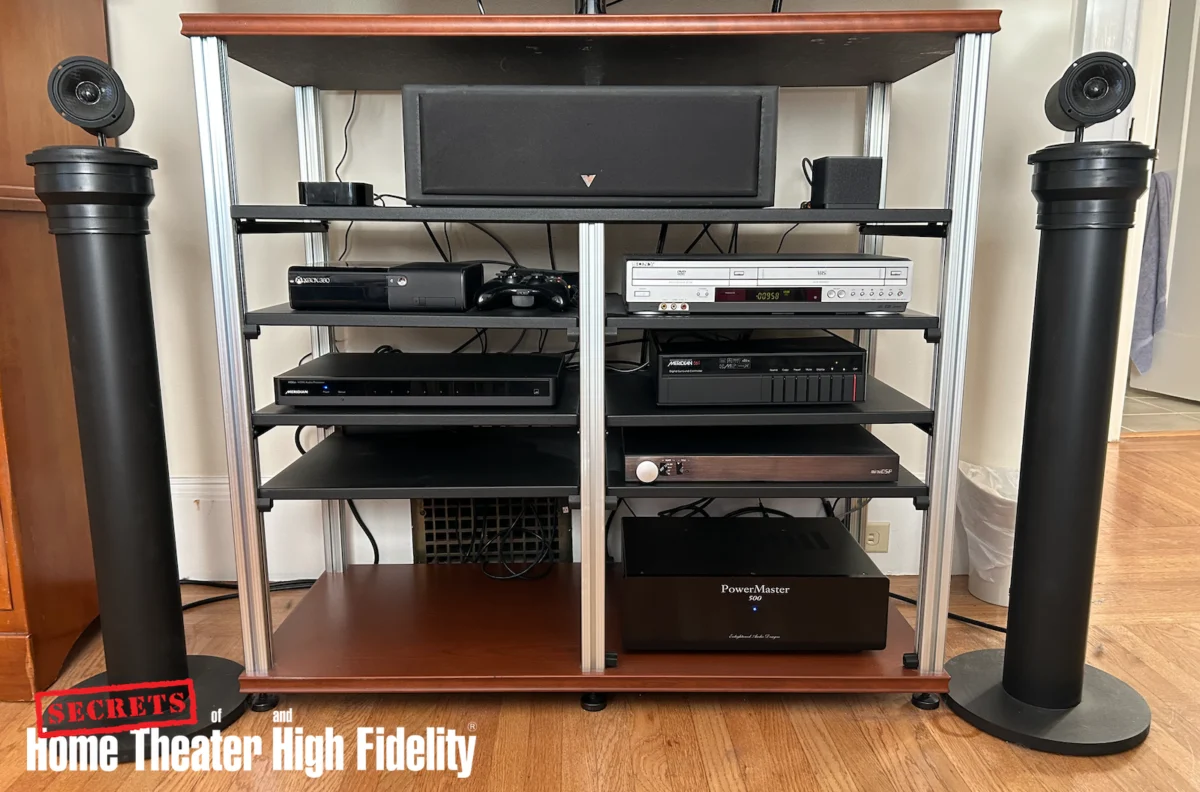
In the realm of high-fidelity audio, the transition from a pile of components to a world-class loudspeaker system is a journey of technical precision. Following the assembly and structural finishing of the Linkwitz LXmini kit—a renowned two-way active loudspeaker—the project enters its most critical phase: the electronic integration. Because the LXmini is an active, multi-way system, it does not rely on passive internal crossovers. Instead, it demands a sophisticated ecosystem of amplification, digital signal processing (DSP), and meticulous acoustic tuning. This guide details the essential steps to transform the LXmini from a DIY kit into a high-performance audio centerpiece.
The Architecture of Active Sound: Main Facts
The Linkwitz LXmini is not a conventional speaker; it is an exercise in acoustic transparency. By utilizing an active design, the speaker separates the amplification from the frequency division process. This removes the distortion-prone, power-hungry components found in passive crossovers, allowing the amplifier to exert direct control over the drivers.
To achieve the "Linkwitz sound," the builder must supply four channels of high-quality amplification and a robust DSP engine. The primary challenge lies in the open-baffle nature of the design. Unlike traditional box speakers that rely on cabinet resonance and internal stuffing, the LXmini’s drivers operate in free space. This requires significant corrective EQ to manage driver interactions and phase coherence, a task made possible by the precise, proprietary DSP filters provided by the Linkwitz design team.

Chronology of the Integration Process
Phase I: Selecting the Amplification Engine
While the LXmini is a compact system, it is highly sensitive to the quality of the signal chain. The objective is to provide clean, high-bandwidth power that can handle the dynamics of the two-way architecture.
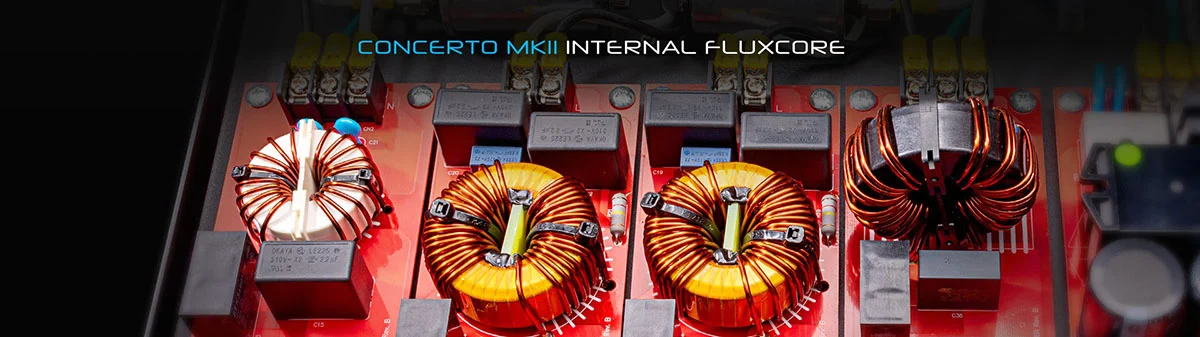
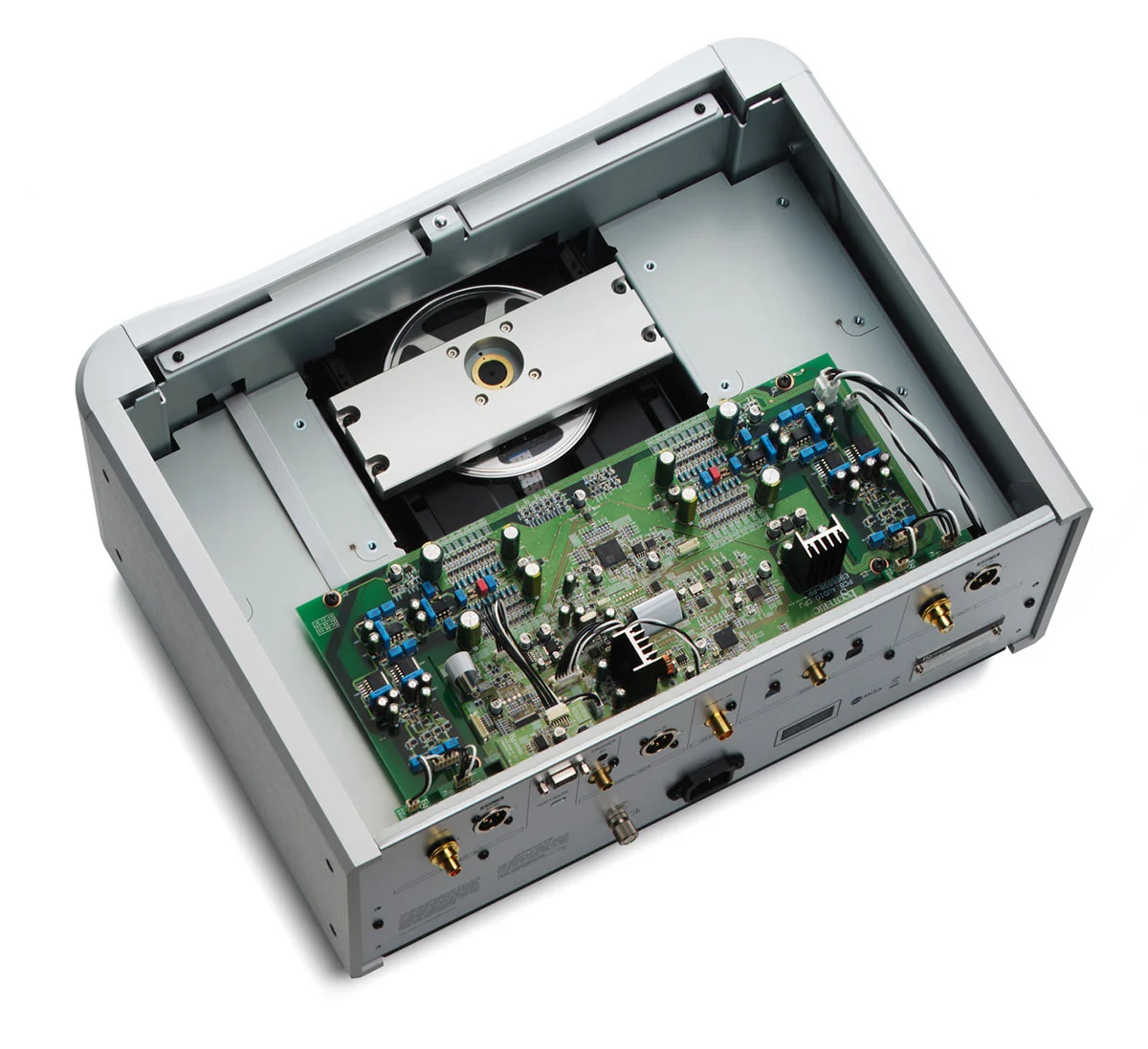
In this build, the choice fell upon the Enlightened Audio Designs (EAD) Powermaster 500. Though a vintage piece from the early 2000s, the PM500 remains a benchmark for transparency. Built around the legendary LM3886 "chipamp" integrated circuits from Texas Instruments, the unit employs a parallel architecture where two chips share the load per channel. This yields 100 watts per channel of Class AB power that remains linear well into the 200kHz range. By utilizing four of the five available channels, the system benefits from a massive shared power supply, ensuring that transient peaks are handled without clipping or compression.
Phase II: Implementing the DSP Crossover
With the amplification established, the focus shifted to the "brain" of the system: the crossover. The magic of the active LXmini lies in the ability to manipulate the signal before it reaches the drivers. Using a miniDSP 4x10HD (a staple in the high-end DIY community), the system manages the crossover points and time alignment.

The setup process involves:
- Input Routing: Feeding a high-resolution digital signal into the DSP.
- Filter Loading: Applying the proprietary biquad coefficients provided by Linkwitz. These Infinite Impulse Response (IIR) filters act as the "instruction set" for the drivers, correcting the frequency response of the open-baffle topology.
- Channel Mapping: Ensuring the high-frequency and low-frequency signals are routed to their respective dedicated amplifier channels.
Phase III: Calibration and Initial Tuning
Once the hardware was connected, the final phase involved "dialing in" the room. Initial testing revealed that while the LXmini is exceptionally clear, it requires room-specific adjustments to reach its full potential. A 5dB boost at 40Hz was applied to compensate for the natural roll-off of the woofer, though this was done with caution to maintain the driver’s power-handling headroom.
Supporting Data and Performance Metrics
The performance of the LXmini is inextricably linked to the quality of the DSP configuration. The following data points highlight why this approach is superior to traditional methods:

- Bandwidth Integrity: The EAD PM500’s performance up to 200kHz ensures that phase shift within the audible band is virtually non-existent, a necessity for maintaining the LXmini’s famous "holographic" imaging.
- Filter Efficiency: The transition from the 4x10HD to the modern miniDSP Flex HTx illustrates a trend in modern audio: while the newer unit offers Dirac Live room correction, the fundamental performance of the Linkwitz-designed IIR filters remains the "gold standard." For current builders, the miniDSP 2×4 HD or the Flex offer a cost-effective path to achieving this same level of control for under $500 USD.
- Room Interaction: The open-baffle design introduces significant cancellation effects at low frequencies. Without the provided parametric EQ settings, the speakers would sound thin and unbalanced. The DSP allows for a "flat" response that would be physically impossible to achieve with a passive network.
Official Perspectives: The Linkwitz Philosophy
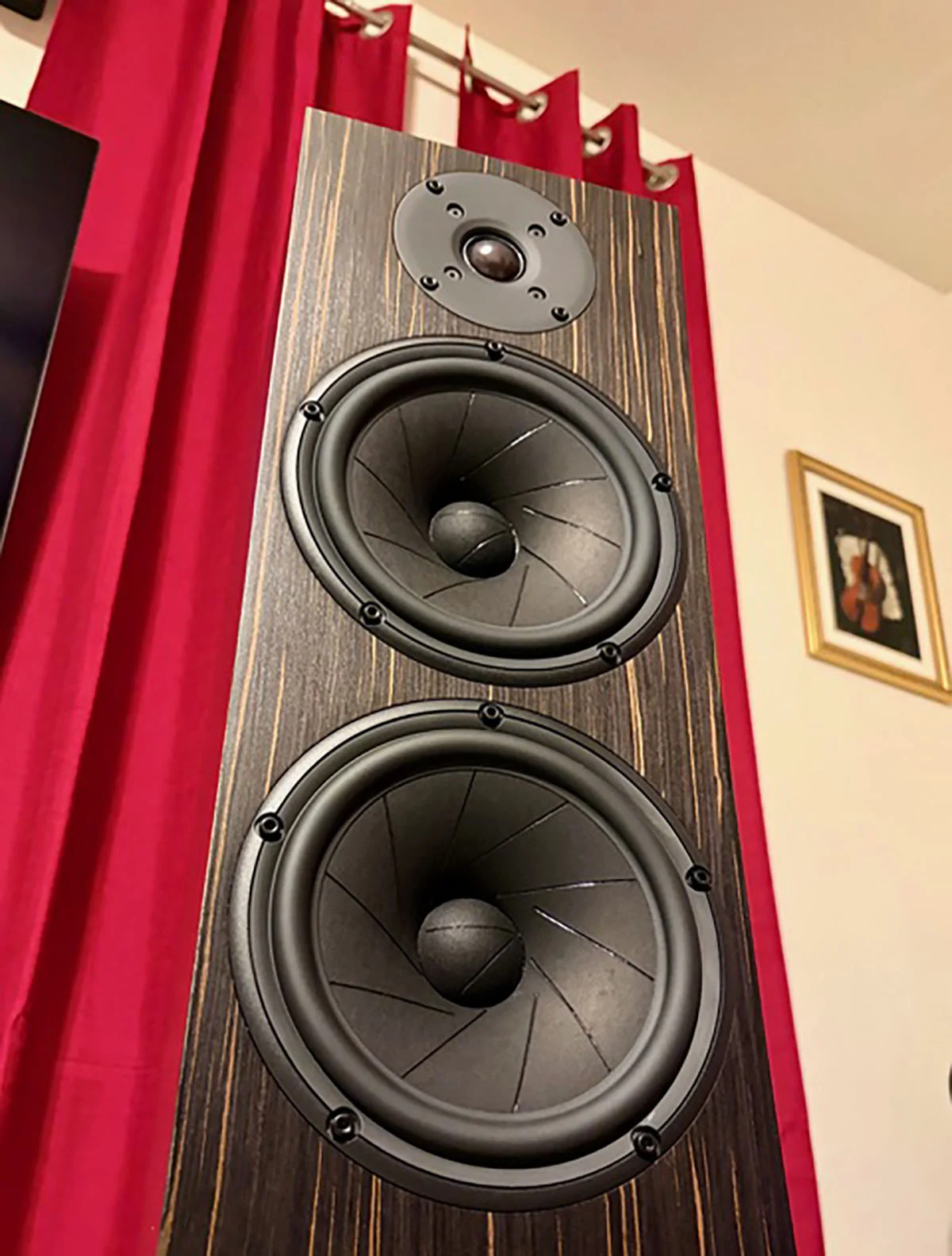
The late Siegfried Linkwitz, the designer of the LXmini, famously maintained that the loudspeaker should be as invisible as possible. His design philosophy centers on the constant directivity of the drivers. By utilizing a small, spherical baffle for the tweeter and an open-back mid-woofer, the LXmini minimizes the "boxiness" that plagues most commercial loudspeakers.
Regarding the use of DSP, the official stance from the Linkwitz lab is that the consumer should view the DSP settings as a mandatory component of the "kit." By providing these specific biquad files, Linkwitz effectively offloads the complexity of acoustic engineering to the software, ensuring that every builder—regardless of their expertise in room measurement—can achieve the designer’s intended frequency response.
Implications: The Future of High-Fidelity DIY
The success of this build carries profound implications for the future of the home audio market.

- The Democratization of High-End: The LXmini proves that with high-quality components and precise DSP, DIY kits can outperform commercial speakers costing three to four times the price.
- The Shift to Active Systems: As DSP technology becomes more accessible, the industry is moving away from massive, inefficient passive crossovers. The future of high-fidelity is clearly in the "active" domain, where the amplifier and driver are treated as a single, optimized unit.
- The Necessity of Break-in: A critical observation in this project was the mechanical performance of the drivers over time. The LXmini’s woofer suspension requires a "break-in" period to reach its full excursion potential. Builders are encouraged to run the system with low-frequency content for at least 50 hours before performing final critical listening.
Looking Ahead
The current configuration is merely the baseline. While the LXmini excels in a mid-sized room, the addition of the LXsub2 dipole woofer represents the logical evolution for the system. Transforming the LXmini into a true 3-way system would offload the low-end burden from the mid-woofer, allowing for greater dynamic range and lower distortion.
In the next installment of this series, we will move beyond the initial setup to conduct a comprehensive acoustic analysis. This will include room measurements to visualize the speaker’s performance, a deep dive into the impact of different room-correction software, and a final listening assessment of the LXmini’s ability to resolve complex musical textures. For those who have followed the assembly and integration phases, the reward—a state-of-the-art, custom-tuned, audiophile-grade loudspeaker system—is now within reach.