The home entertainment landscape has undergone a radical transformation over the past decade. Where high-end home cinema once required a labyrinth of cables, a massive AV receiver, and a minimum of five to seven dedicated speaker cabinets, modern engineering has condensed these complex acoustic arrays into sleek, television-adjacent enclosures. At the center of this audio revolution is Dolby Atmos—an object-based audio format that has transitioned from a premium commercial cinema novelty into an essential household standard.
For consumers looking to upgrade their television’s built-in audio, the market is currently saturated with options ranging from budget-friendly plug-and-play models to ultra-premium, multi-component systems. Crucially, a selection of the industry’s most highly rated Dolby Atmos soundbars—rigorously tested and reviewed by acoustic experts—remain available at deep discounts following major shopping events like Prime Day and Black Friday.
Main Facts: The State of Dolby Atmos Soundbars
Dolby Atmos has moved far beyond simple "surround sound." Unlike traditional channel-based audio, which assigns soundtracks to specific speakers (e.g., Left, Right, Center, Surround), Dolby Atmos treats individual sounds as "objects" positioned within a three-dimensional space. To experience this immersive effect, consumers require hardware capable of decoding these spatial metadata tracks and projecting them dynamically around the room.
To help buyers navigate this complex market, acoustic specialists have identified several standout performers across various price brackets and use cases:
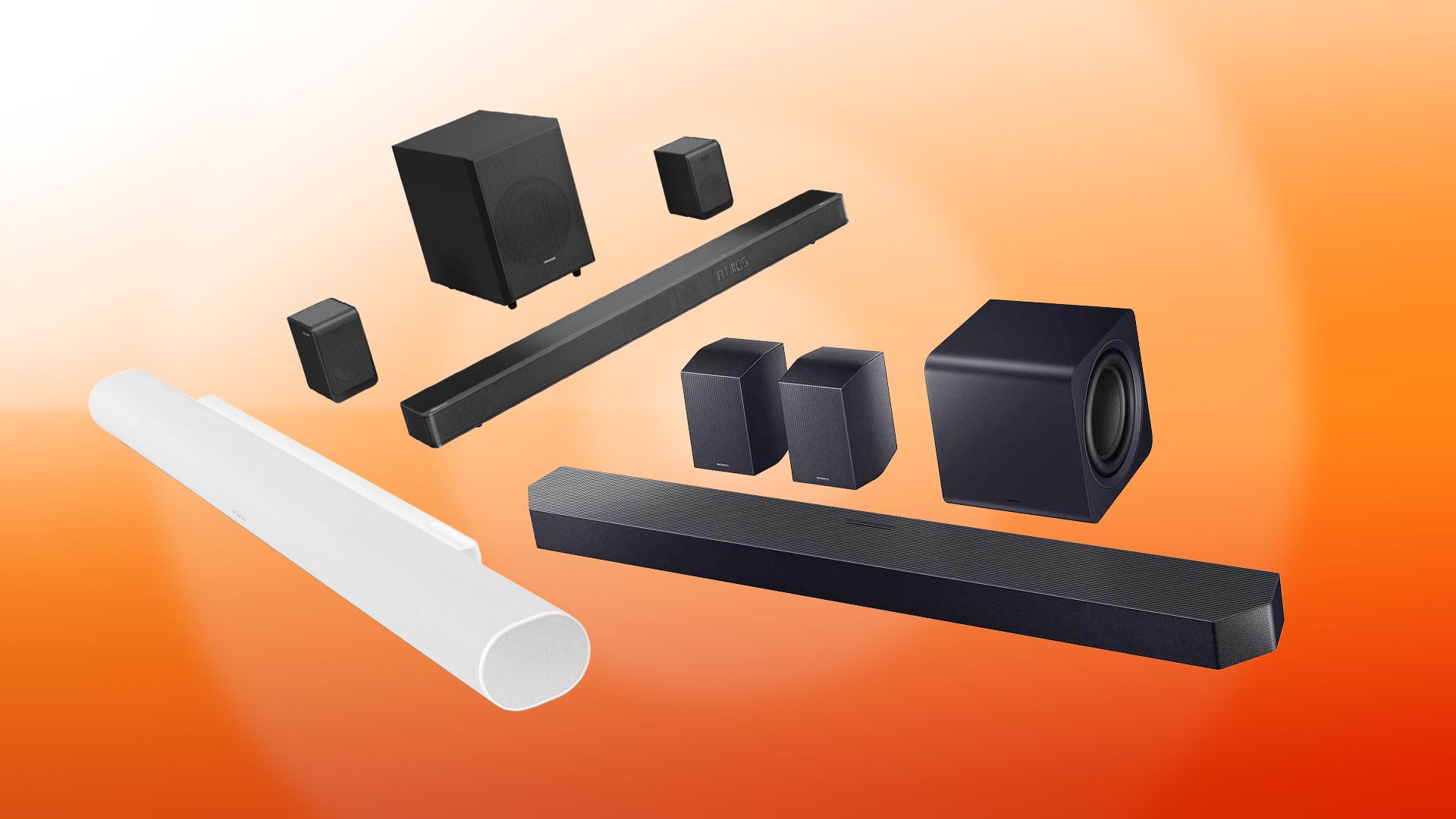
- The Budget Champion: The Hisense AX5125H offers an unprecedented multi-channel experience (including dedicated rear speakers and a wireless subwoofer) at a fraction of the cost of its competitors.
- The Premium Benchmark: The Sonos Arc Ultra sets the standard for single-unit performance, utilizing state-of-the-art transducer technology to deliver a wide, detailed, and three-dimensional soundstage without the need for auxiliary units.
- The Modular Innovator: The JBL Bar 1000MK2 features a unique design with detachable, battery-powered rear speakers that magnetically dock to the main unit for charging.
- The Compact Specialist: The Sonos Beam (Gen 2) brings spatial audio to smaller living rooms and apartments through advanced psychoacoustic virtualization.
- The Audiophile Choice: The KEF XIO delivers uncompromising musicality and precision imaging, supported by a manufacturer-backed £200 cashback promotion.
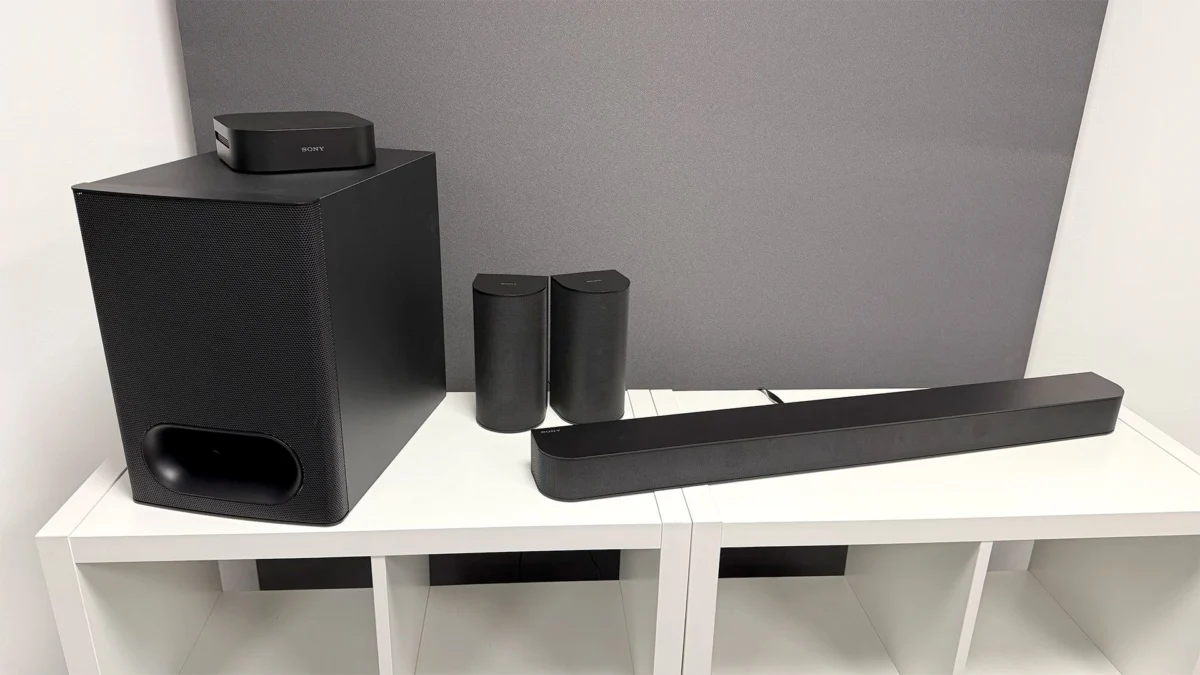
- The Mid-Range Powerhouse: The Sony Bravia Theatre Bar 6 provides a weighty, room-filling soundstage, bundled with a wireless subwoofer for maximum low-frequency impact.
- The Ultimate Package: The Samsung HW-Q990F, a recipient of multiple industry accolades, has plummeted from its premium launch price of £1,699 to under £800, making it one of the most compelling performance-per-pound packages on the market.
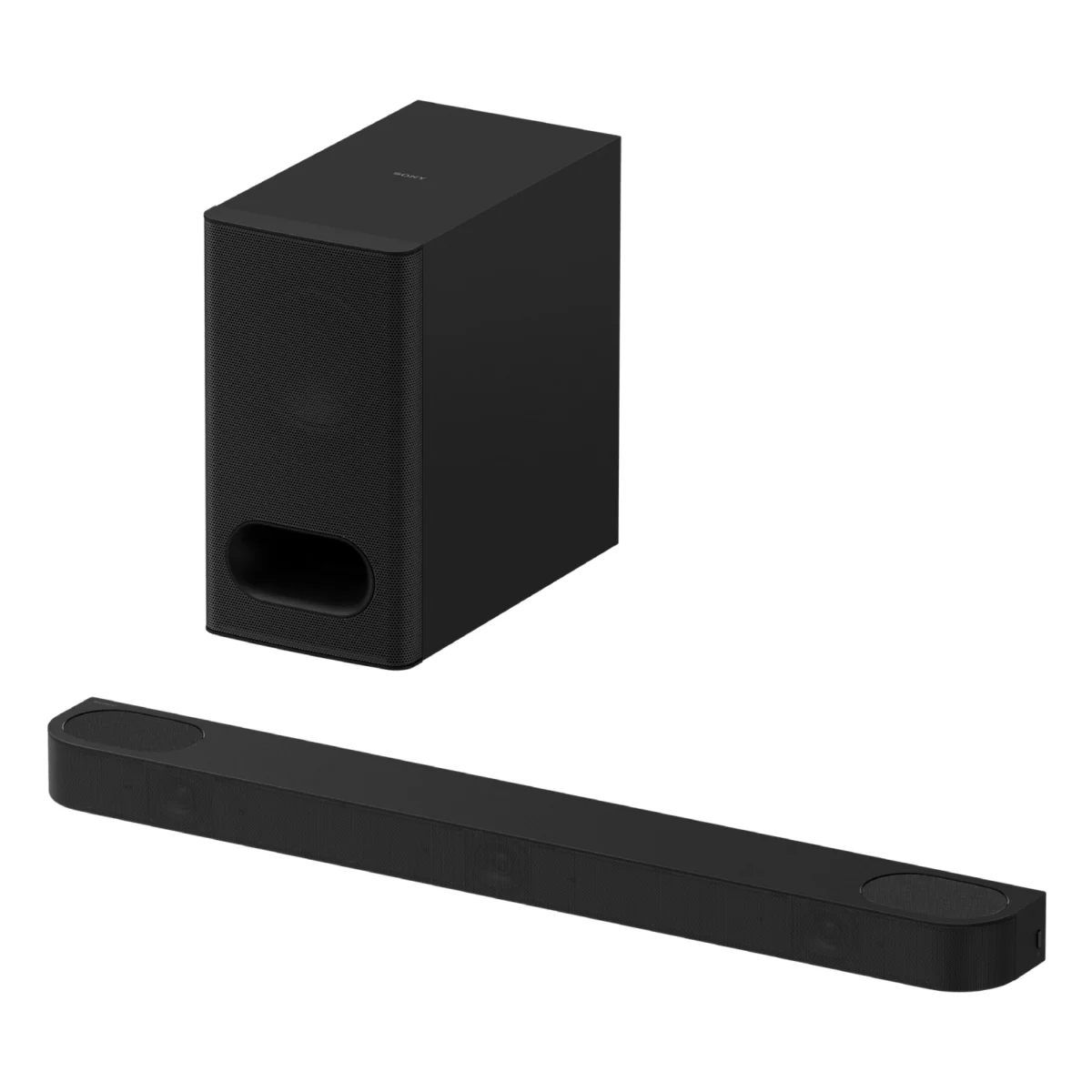
- The Entry-Level Solo Bar: The Sony HT-S2000 offers a simple, highly effective plug-and-play upgrade over integrated TV speakers.
- The Gamer’s Dream: The Sony Bravia Theatre Bar 9 features advanced HDMI 2.1 passthrough, supporting 4K/120Hz, Variable Refresh Rate (VRR), and Auto Low Latency Mode (ALLM) for next-generation consoles.
Chronology: From Cinema Ceilings to Living Room Soundbars
To understand the current state of home audio, it is necessary to trace the developmental timeline of Dolby Atmos and the corresponding evolution of consumer hardware.
[2012] Dolby Atmos debuts in commercial theaters (Disney Pixar's "Brave")
  │
[2014] First AV Receivers with Dolby Atmos decoders arrive for home use
  │
[2016] High-end soundbars introduce upward-firing physical drivers
  │
[2020] Virtual Dolby Atmos (via HRTF psychoacoustics) enters mid-range soundbars
  │
[2021] Streaming services (Netflix, Disney+, Apple Music) adopt Atmos as standard
  │
[Present] Advanced transducer tech (e.g., Sonos Sound Motion) & HDMI 2.1 integration- 2012 – The Cinematic Debut: Dolby Laboratories officially introduces Dolby Atmos in commercial theaters. The system debuted with the release of Disney Pixar’s Brave, utilizing up to 64 discrete speaker feeds to create an overhead dome of sound.
- 2014 – Transition to the Home: The first AV receivers capable of decoding Dolby Atmos hit the consumer market. These early systems required physical in-ceiling speakers, limiting adoption to dedicated home theater enthusiasts with the budget and space for extensive custom installations.
- 2016 to 2018 – The Rise of the Upward-Firing Driver: Audio manufacturers realize that physical ceiling installation is a barrier to mass adoption. They introduce soundbars equipped with angled, upward-firing drivers designed to bounce sound waves off flat ceilings back down to the listener’s ears, mimicking overhead speakers.
- 2020 to 2021 – Virtualization and Streaming Integration: Digital Signal Processing (DSP) evolves to the point where compact, driver-limited soundbars can simulate spatial audio using Head-Related Transfer Function (HRTF) psychoacoustic filters. Simultaneously, major streaming platforms (such as Netflix, Disney+, Apple TV+, and Amazon Prime Video) adopt Dolby Atmos as their default premium audio format.
- Present Day – Advanced Transducers and Gaming Features: Modern soundbars incorporate cutting-edge materials, proprietary bass-enabling technologies (such as Sonos’ Sound Motion), and high-bandwidth HDMI 2.1 passthrough to cater to gamers, movie buffs, and music streaming audiophiles alike.
Supporting Data: In-Depth Product Analysis
Selecting the right Dolby Atmos soundbar requires balancing room size, physical space, connectivity requirements, and budget. Below is a detailed technical and value analysis of the recommended models.
Hisense AX5125H
- Category: Entry-Level Full System
- Acoustic Architecture: 5.1.2 channels (including physical rear surround speakers and a wireless subwoofer).
- Key Strengths: Unmatched value for a multi-speaker configuration. It delivers genuine, physical surround sound and height effects rather than relying solely on virtual processing. The soundstage is remarkably spacious, offering impressive weight and dynamic scale for its low price point.
Sonos Arc Ultra
- Category: Premium Solo Soundbar
- Acoustic Architecture: 9.1.4 channels (single-unit bar).
- Key Strengths: Incorporates Sonos’ proprietary "Sound Motion" technology, which significantly reduces the size of the transducer magnets while doubling the bass output. This allows the bar to deliver deep, clean low frequencies without requiring an external subwoofer. It provides pristine high-frequency detail, precise object tracking, and an exceptionally wide, three-dimensional soundstage.
JBL Bar 1000MK2
- Category: Modular Multi-Channel System
- Acoustic Architecture: 7.1.4 channels.
- Key Strengths: Features fully wireless, battery-powered rear speakers that magnetically attach to the ends of the main soundbar to charge. When detached, they can be placed anywhere in the room to create an instant, clutter-free physical surround environment. The system delivers a bold, punchy, and highly cinematic presentation with substantial low-end impact.
Sonos Beam (Gen 2)
- Category: Compact/Mid-Range Solo Soundbar
- Acoustic Architecture: 5.0 channels (virtualized Dolby Atmos).
- Key Strengths: Measures just 65cm in width, making it ideal for smaller living spaces or secondary TVs. It uses advanced psychoacoustic processing to simulate height and width channels. The Beam (Gen 2) is highly musical, making it an excellent dual-use speaker for both cinema audio and high-resolution music streaming.
KEF XIO
- Category: High-End Audiophile System
- Acoustic Architecture: Premium multi-driver array.
- Key Strengths: Designed for users who refuse to compromise on musicality. KEF brings its decades of high-end loudspeaker engineering to this premium soundbar, offering incredible clarity, natural vocal reproduction, and pin-sharp stereo imaging. Buyers can currently take advantage of a manufacturer-backed £200 cashback program to offset its premium price tag.
Sony Bravia Theatre Bar 6
- Category: Mid-Range Subwoofer Bundle
- Acoustic Architecture: Multi-channel bar with wireless subwoofer.
- Key Strengths: A powerful system designed to fill medium-to-large rooms with cinematic sound. The included wireless subwoofer handles low-frequency effects (LFE) with authority, making action sequences feel visceral and physically impactful.
Samsung HW-Q990F
- Category: Flagship Multi-Channel Package
- Acoustic Architecture: 11.1.4 channels (includes main bar, wireless subwoofer, and dual wireless rear speakers with built-in upfiring and side-firing drivers).
- Key Strengths: Widely regarded as an industry benchmark, this system offers a complete bubble of sound that rivals dedicated AV receiver setups. With a massive drop in price from its £1,699 launch point to well under £800, it stands as one of the best premium values in home audio history.
Sony HT-S2000
- Category: Entry-Level Solo Soundbar
- Acoustic Architecture: 3.1 channels (virtualized Dolby Atmos).
- Key Strengths: A straightforward plug-and-play solution designed for users who want to bypass complex setups. It connects via a single HDMI eARC cable and utilizes Sony’s Vertical Surround Engine to project sound well beyond the physical dimensions of the bar, offering a clear, crisp dialogue-focused upgrade over internal TV speakers.
Sony Bravia Theatre Bar 9
- Category: Premium Gaming and Cinematic Solo Soundbar
- Acoustic Architecture: Flagship solo bar.
- Key Strengths: Tailor-made for modern home entertainment systems. It features dedicated HDMI 2.1 passthrough ports, allowing users to connect a PlayStation 5 or Xbox Series X directly to the bar without losing support for 4K resolution at 120Hz, VRR, or ALLM. Sound quality is exceptionally detailed, featuring rapid transient response and punchy, controlled bass.
Industry Perspectives & Testing Methodologies
The recommendations listed above are compiled from hands-on testing conducted by experienced audio reviewers. To understand why these specific products stand out, it is helpful to look at how professional audio gear is evaluated.
       [Acoustically Treated Test Rooms]
                      │
        ┌─────────────┴─────────────┐
        ▼                           ▼
[Comparative Testing]      [Diverse Source Material]
- Side-by-side matches      - Dolby Atmos movie tracks
- Same room, same volume    - High-res stereo music
- Level-matched levels      - Spatial audio streaming
The Rigorous Testing Process
Acoustic testing is conducted in dedicated listening rooms that have been acoustically treated to minimize unwanted reflections and resonances. This ensures that the sound evaluated is a true representation of the soundbar’s capabilities.
To maintain objectivity, reviewers conduct comparative testing, setting up new soundbars directly alongside their class-leading rivals in the same price bracket. This side-by-side methodology highlights subtle differences in detail retrieval, tonal balance, and spatial accuracy that might otherwise go unnoticed.
Furthermore, products are tested with a wide variety of source material. This includes high-bitrate Dolby TrueHD Atmos tracks from Ultra HD Blu-rays (such as the demanding soundscapes of Dune or Blade Runner 2049), compressed Dolby Digital Plus Atmos tracks from streaming services, and standard stereo music tracks to evaluate crossover integration and vocal clarity.
Engineering Philosophies
The leading brands in this space take distinct approaches to solving the acoustic challenges of small enclosures:
- Sonos focuses heavily on software calibration. Their proprietary Trueplay technology uses iOS devices (and now built-in microphones in newer models) to measure how sound bounces off walls and furniture, automatically adjusting the bar’s internal equalization to suit the specific room geometry.
- Sony relies on proprietary psychoacoustic processing, such as its 360 Spatial Sound Mapping technology, to create phantom speakers around the room, making up for physical driver limitations through advanced mathematics.
- Samsung focuses on physical driver count and integration. By including true physical wireless rears with upfiring drivers in their flagship packages, they ensure that height and surround effects are physically directed at the listener rather than relying on room reflections.
Implications: The Future of Home Cinema and Consumer Choice
The rapid evolution of Dolby Atmos soundbars has profound implications for the consumer technology sector and the wider entertainment industry.
The Demise of the Traditional AV Receiver Setup
For decades, high-quality surround sound was the exclusive domain of dedicated AV receivers and multi-speaker packages. Today, the performance gap has closed significantly. While a dedicated wired system still offers unmatched raw power and channel separation, high-end soundbars like the Samsung HW-Q990F and Sonos Arc Ultra deliver 90% of the experience with 10% of the installation headache. This shift has democratized high-fidelity audio, making spatial sound accessible to renters, apartment dwellers, and families who cannot accommodate large speaker cabinets.
The Importance of eARC and HDMI 2.1
As audio formats become more complex, connection bandwidth has become a critical bottleneck. Older optical connections cannot carry Dolby Atmos. Modern systems require HDMI eARC (Enhanced Audio Return Channel) to transmit uncompressed, high-bitrate Dolby Atmos signals from the TV to the soundbar.
Furthermore, the integration of HDMI 2.1 in models like the Sony Bravia Theatre Bar 9 highlights a growing convergence between gaming and home cinema. Gamers no longer have to choose between high-frame-rate, low-latency gameplay and premium spatial audio.
The Spatial Audio Boom in Music
Dolby Atmos is no longer just for movies. With Apple Music, Amazon Music, and Tidal offering vast libraries of tracks remixed in Dolby Atmos spatial audio, soundbars have transitioned into primary music systems. This trend forces manufacturers to design soundbars that are not only loud and punchy for explosive cinematic moments, but also delicate, tonally balanced, and musical enough to satisfy discerning music lovers.
As manufacturing efficiencies increase and digital signal processing becomes more sophisticated, high-quality Dolby Atmos audio will continue to drop in price. Whether consumers choose a budget-friendly multi-channel system like the Hisense AX5125H, a compact virtualized bar like the Sonos Beam, or a state-of-the-art flagship like the Samsung HW-Q990F, the barrier to cinematic immersion has never been lower.