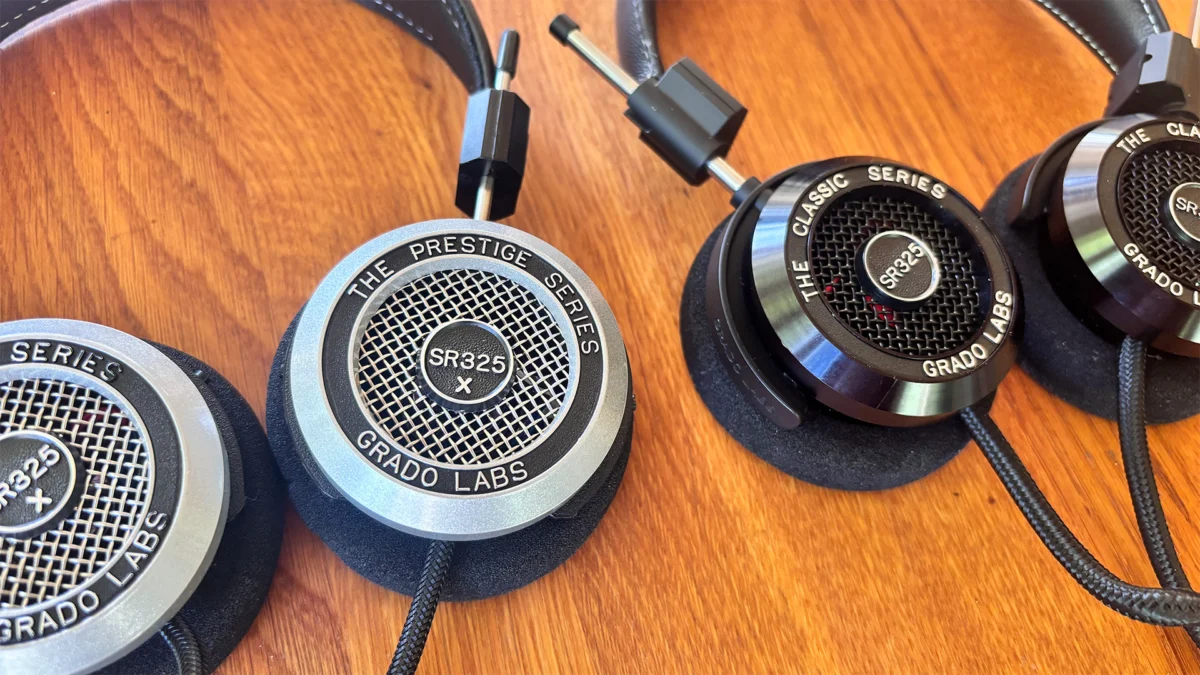
For more than seven decades, the Brooklyn-based, family-owned audio manufacturer Grado Labs has occupied a singular, highly romanticized niche in the high-fidelity audio landscape. Operating out of a modest brick building in Brooklyn, New York—where they have hand-assembled phono cartridges and headphones since 1953—Grado has built an international reputation on a uncompromising "sound-first" philosophy. From their entry-level Prestige Series to their high-end Statement and Professional lines, Grado headphones are instantly recognizable by their retro, industrial aesthetics, open-back designs, and a signature energetic, mid-forward sound.
However, a growing tension has emerged between Grado’s traditionalist design ethos and the evolving expectations of the modern consumer. While audiophiles have historically been willing to tolerate Spartan comfort in exchange for class-leading acoustic performance, the release of the new Grado SR325 Classic (£349 / $350) has brought this compromise to a critical tipping point. As competitors deliver both exceptional sound and luxurious comfort at highly competitive price points, industry analysts and audio critics are asking a fundamental question: Is Grado’s steadfast refusal to modernize its ergonomics finally catching up with the brand?
Main Facts: The Acoustic Triumph and Ergonomic Deficit of the SR325 Classic
At the heart of the current debate is the Grado SR325 Classic, a wired, open-back, on-ear headphone designed to carry forward the legacy of the highly acclaimed, multi-award-winning SR325x. Priced at launch at £349 / $350, the SR325 Classic sits at a crucial mid-tier price bracket where buyers expect a premium experience that spans both sonic fidelity and physical build quality.
A close examination of the SR325 Classic reveals a stark contrast between its internal engineering and its external interface:
- Sonic Profile: Acoustically, the SR325 Classic achieves remarkable clarity and articulation. It excels at parsing dense arrangements and delivering a clean, highly resolved high-frequency response. However, compared to its predecessor, the SR325x, the Classic exhibits a noticeable deficit in rhythmic drive and low-end authority, rendering its overall presentation less engaging for certain musical genres.
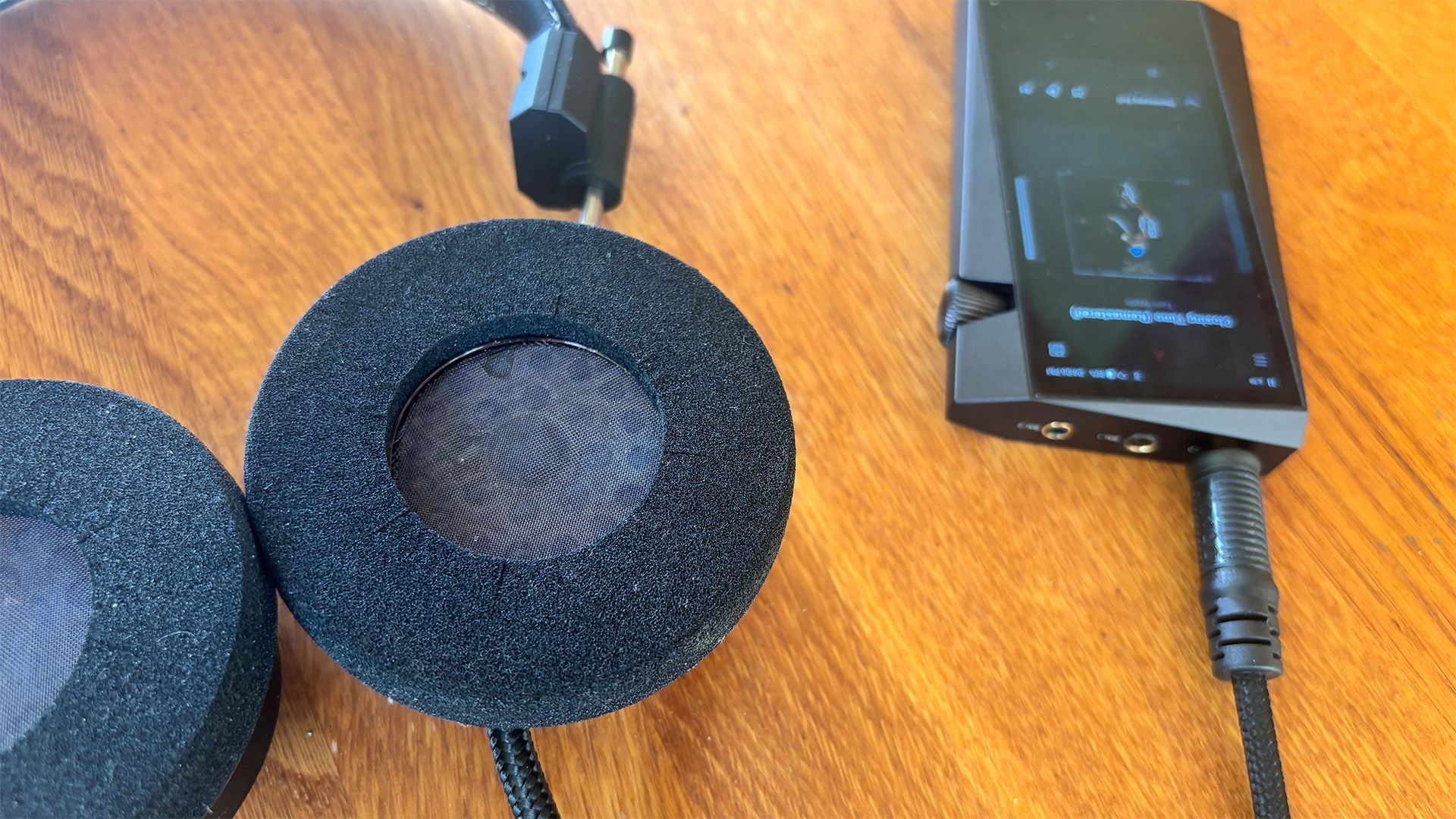
- The "F" Cushion Controversy: Grado continues to utilize its proprietary "F" cushions—flat, relatively thin, and somewhat abrasive open-cell foam ear pads that sit directly on the user’s outer ear (pinna). While Grado asserts that these pads are acoustically necessary to maintain the driver-to-ear distance required for their signature sound, users and reviewers frequently describe them as scratchy, stiff, and uncomfortable for listening sessions exceeding thirty minutes.
- Build Quality Concerns: On review samples of the SR325 Classic, the foam ear cushions were found to be exceptionally loose, detaching from the plastic driver housings with minimal pressure—sometimes with a single finger. While potentially isolated to early production batches, this lack of physical security on a £349 product has drawn sharp criticism.
- Minimalist Headband: The headband consists of a thin spring-steel band wrapped in a slender strip of leather with virtually no foam padding. This design distributes the headphone’s clamping force and weight directly onto the crown of the skull, exacerbating the discomfort caused by the on-ear foam pads.
Chronology: The Evolution of the Grado Lineage
To understand how Grado arrived at this design impasse, it is necessary to trace the developmental history of its headphone lines, which have remained remarkably consistent over the last three decades.
[1953] Joseph Grado founds Grado Labs in Brooklyn, focusing on phono cartridges.
  │
[1990] John Grado takes over; introduces the first Grado headphones (HP1000 series).
  │
[1994] Launch of the Prestige Series (SR60, SR80, SR125, SR225, SR325), establishing the signature retro look.
  │
[2014] Introduction of the "e" Series, refining driver matching and housing materials.
  │
[2021] The "x" Series launches (e.g., SR325x), featuring the 4th-generation Grado drivers and braided cables.
  │
[2022] Grado introduces the ultra-premium GS3000x and the wireless open-back GW100x.
  │
[Present] Release of the SR325 Classic, highlighting the growing divide between sound and ergonomics.
Throughout this timeline, Grado’s updates have been iterative rather than revolutionary. The transition from the "e" series to the "x" series in 2021 introduced lighter voice coils, more powerful magnetic circuits, and durable braided cables. Yet, throughout these generations, the chassis, the rod-block adjustment mechanism, the unpadded or minimally padded headbands, and the scratchy foam ear pads have remained virtually unchanged.
While this consistency has preserved Grado’s iconic retro identity, it has also locked the brand into an ergonomic framework designed in the early 1990s, leaving little room to address modern ergonomic science.
Supporting Data: How Grado Compares to the Modern Market
The market for wired, open-back headphones between $200 and $400 is fiercely competitive. Brands like Beyerdynamic, Sennheiser, and HiFiMan have invested heavily in ergonomic research, utilizing advanced materials to maximize comfort without sacrificing acoustic integrity.
The table below contrasts the Grado SR325 Classic with one of its primary market rivals, the Beyerdynamic DT 900 Pro X:
| Feature / Metric | Grado SR325 Classic | Beyerdynamic DT 900 Pro X |
|---|---|---|
| Price (Approximate) | £349 / $350 | £200 / $250 |
| Design Type | Open-back, On-ear (Supra-aural) | Open-back, Over-ear (Circumaural) |
| Earpad Material | "F" Style Open-cell Polyurethane Foam | Ultra-plush Velour with Memory Foam |
| Headband Padding | Thin leather wrap, minimal padding | Thick, replaceable synthetic leather padding |
| Weight | ~260g (including heavy cable) | 345g (excluding cable) |
| Cable System | Fixed, thick 8-conductor cable | Detachable Mini-XLR (includes multiple lengths) |
| Clamping Force | Moderate-to-high (concentrated on ear) | Moderate (evenly distributed around ear) |
| Primary Sonic Focus | High-mid detail, energetic, articulate | Neutral, analytical, wide soundstage, deep bass |
Acoustic Impedance and Material Science
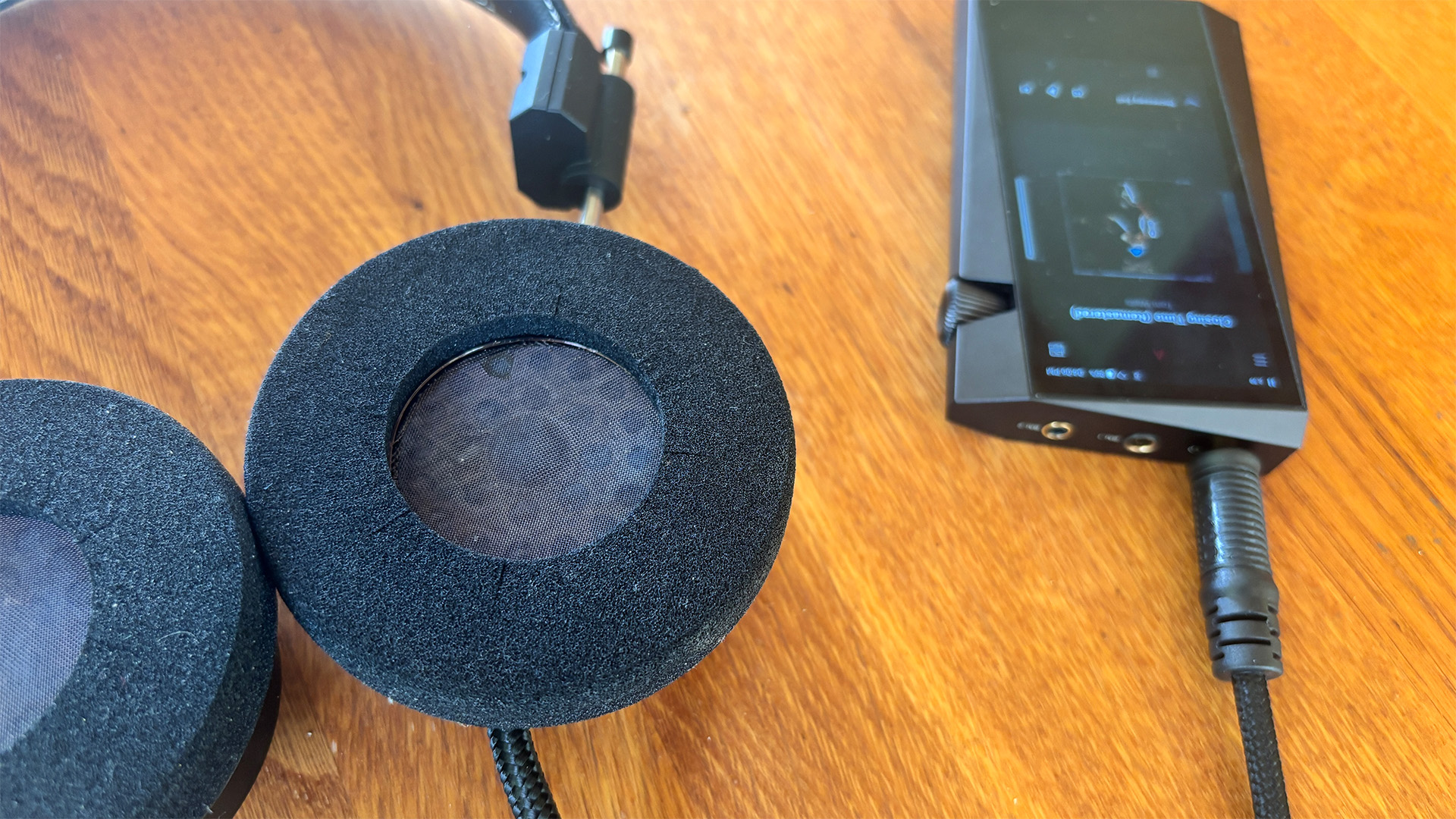
The choice of ear pad material is not merely cosmetic; it dictates the acoustic loading of the driver. Grado’s open-cell "F" foam pads allow sound waves to pass through the sides of the cushion, preventing the buildup of low-frequency pressure (bass) while keeping the driver close to the ear canal to preserve transient speed and high-frequency sparkle.
However, competitors like Beyerdynamic utilize circumaural (over-ear) designs with memory foam wrapped in breathable velour. This creates an acoustic chamber around the ear rather than on it. This design achieves several critical goals:
- It distributes the clamping force across the temporal and jaw bones rather than the sensitive cartilage of the outer ear.
- It provides a consistent acoustic seal, ensuring predictable low-frequency extension down to sub-bass regions.
- It eliminates the scratchy, abrasive sensation associated with raw, unlined industrial foam.
Official Responses: The Manufacturer’s Justification
Grado Labs has historically defended its design choices by framing them as essential compromises in the pursuit of pure, uncolored sound. The company’s engineering team operates under several core principles:
- Acoustic Transparency: Grado maintains that heavy, plush pleather or velour ear pads act as acoustic dampeners. According to the brand, thick padding absorbs high-frequency energy and introduces internal reflections within the ear cup, muddling the midrange and slowing down transient response. The "F" cushion is presented as an acoustically transparent medium that allows the driver to breathe.
- Minimalism as a Virtue: Grado prides itself on a "no-nonsense" design language. By omitting hinges, folding mechanisms, detachable cable sockets, and heavy padding, they keep the overall weight of the headphones remarkably low. This minimalism is intended to reduce mechanical points of failure and keep the focus entirely on the quality of the dynamic drivers.
- The Heritage Factor: Part of Grado’s marketing appeal is its hand-made, heritage aesthetic. Changing the fundamental architecture of their headphones would require re-tooling a manufacturing process that has remained largely unchanged for decades, potentially alienating a fiercely loyal core demographic that associates the brand’s rugged, industrial look with audiophile purity.
Implications: The Changing Expectations of the Audiophile Market
The critical reception of the SR325 Classic suggests that the "sound-at-all-costs" defense is losing its efficacy in the modern marketplace. The implications of this shift are profound for both Grado and the wider personal audio industry.
1. The Rise of the "Everyday Audiophile"
The demographic profile of the headphone buyer has shifted. High-fidelity headphones are no longer exclusively reserved for dedicated listening rooms where a user sits perfectly still in an armchair for an hour. Today’s consumers use wired open-back headphones for multi-hour remote work sessions, gaming, content creation, and casual music streaming. For these use cases, long-term wearability is just as important as sonic resolution. A headphone that causes physical fatigue after 45 minutes, regardless of how sublime it sounds, fails to meet the needs of this broader audience.
2. The Diminishing Returns of Sonic Compromise
When a product delivers transcendent, peerless audio performance—such as Grado’s flagship GS3000x—consumers are remarkably forgiving of physical flaws. The GS3000x’s minor ergonomic shortcomings are easily overlooked because it represents the absolute pinnacle of what dynamic driver headphones can achieve.
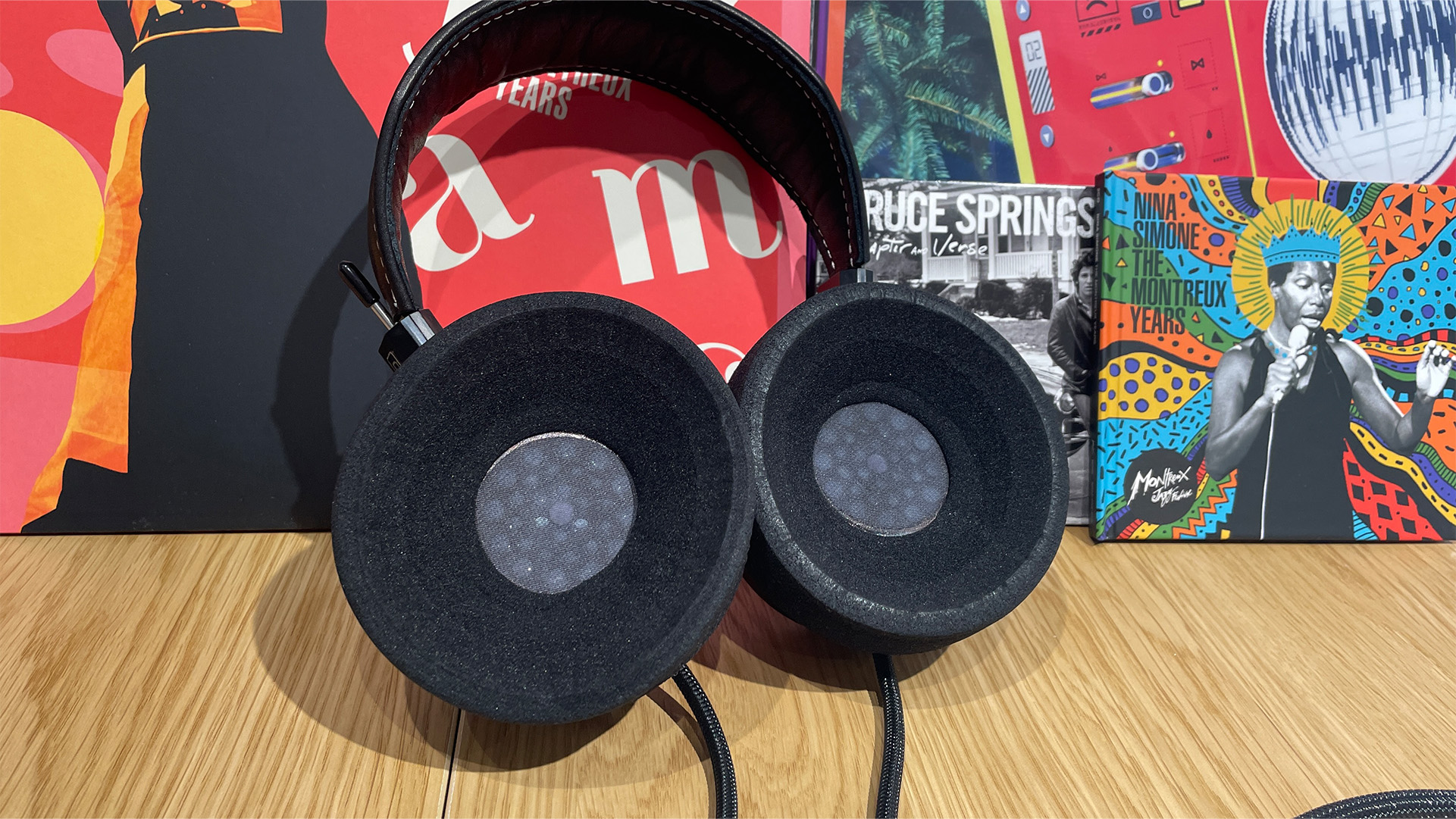
However, when a mid-tier model like the SR325 Classic fails to clearly outperform its predecessor (the SR325x) and exhibits a less engaging rhythmic drive, its physical shortcomings are magnified. Without class-leading sound to justify the discomfort, the scratchy foam pads, thin headband, and loose-fitting cushions become difficult to defend.
3. The Threat of Competitor Versatility
As brands like Sennheiser (with the HD 600 and HD 560S series) and Beyerdynamic continue to refine their open-back offerings, they are proving that comfort and high-fidelity sound are not mutually exclusive. These manufacturers have successfully engineered headphones that offer exceptional comfort, robust build quality, and highly resolved, neutral sound signatures—often at lower prices than Grado’s mid-tier offerings.
If Grado refuses to adapt its materials and ergonomic design, it risks being relegated from a mainstream audiophile contender to a highly niche novelty brand. While legacy and heritage are powerful marketing tools, they cannot permanently shield a brand from the fundamental human requirement for physical comfort. To maintain its relevance in an increasingly sophisticated market, Brooklyn’s historic audio house may finally need to concede that how a headphone feels to wear is just as important as how it sounds.